





1. Embrace 'Movement Snacks'
Instead of one long workout, try incorporating 'movement snacks' throughout your day. These are short, one-to-five-minute bursts of activity designed to break up long periods of sitting. Studies show these brief sessions can improve cardiovascular health,
help regulate blood sugar, and boost your mood and energy levels. Set a timer to go off every 30 to 60 minutes. When it does, stand up and do a quick activity. This could be walking around your office, climbing a flight of stairs, doing a few bodyweight squats, or even just marching in place. The goal isn't to get sweaty; it's to regularly interrupt the pattern of being stationary, which gets your blood flowing and awakens your muscles.
2. Engineer Your Workspace for Movement
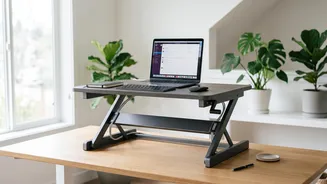
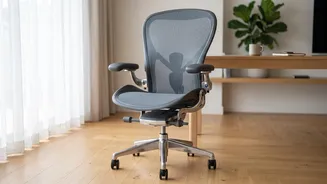
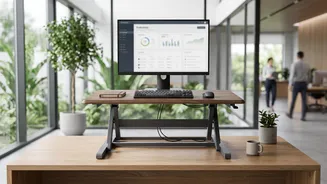
Your environment can either encourage or discourage movement. Make small changes to your workspace to promote more activity. If possible, consider a standing desk or a converter that allows you to alternate between sitting and standing. This simple change can reduce back strain and improve circulation. If a standing desk isn't an option, focus on making your seated position as active as possible. Ensure your chair provides good lumbar support and that your monitor is at eye level to prevent slouching and neck strain. Some people opt for an exercise ball as a chair for short periods to engage core muscles. You can also place items like your water bottle or printer just far enough away that you have to stand up and walk to get to them.
3. Make Your Meetings and Calls Mobile
Not every meeting needs to happen in a conference room or over a video call from your chair. Whenever you have a phone call that doesn't require you to be on screen or taking extensive notes, use it as an opportunity to move. Put on a headset and walk around your office or home. For one-on-one meetings, suggest a 'walking meeting'. Pacing while you talk can boost creativity and energy, and it's an easy way to add steps to your day without sacrificing productivity. It transforms dead time into active time, helping you combat the sluggishness that can set in after hours of sitting still.
4. Master Discreet Desk Stretches
You don't need to roll out a yoga mat to get the benefits of stretching. Many effective stretches can be done right from your chair without drawing much attention. Focus on areas that get tight from sitting: the neck, shoulders, back, and hips. Try gentle neck rolls, bringing your ear toward your shoulder and holding for 20 seconds on each side. Do shoulder shrugs, lifting them to your ears and then relaxing them down. A seated spinal twist, where you gently turn your torso to look over the back of your chair, can help relieve back tension. For your lower body, try seated leg extensions or ankle rolls to improve circulation. These small movements prevent stiffness and can be done during a call or while reading an email.
5. Use the 20/20/20 Rule for More Than Just Your Eyes
The 20/20/20 rule is a well known strategy for preventing digital eye strain: every 20 minutes, look at something 20 feet away for 20 seconds. You can upgrade this rule to benefit your whole body. Every time you take your 20 second eye break, add a physical movement. Use those 20 seconds to stand up and do a full body stretch, reaching your arms overhead. You could perform a few calf raises, do a quick standing hip flexor stretch, or simply shake out your arms and legs. By linking a full body movement to this existing habit, you create a consistent, low effort routine that forces you to stand up multiple times an hour, significantly reducing your uninterrupted sitting time.