







The Diet Hype: Expensive Detoxes and Superfoods
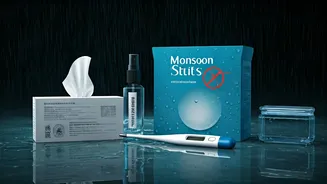
Every monsoon, a new wave of 'wellness' products hits the market, promising to detox your system and supercharge your immunity. From imported berry powders to expensive green juices and restrictive cleanse routines, the message is clear: you need to buy
something special to stay healthy. These trends often play on our anxieties about seasonal illnesses, suggesting that our regular diet is somehow inadequate for the rains. The focus is on elaborate, often costly, additions or subtractions from your daily meals.
The Basic Truth: Eat Light, Fresh, and Homemade
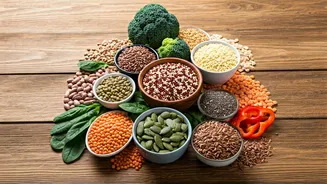
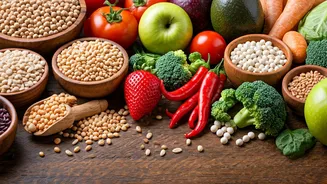
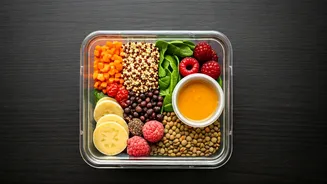
The reality, according to health experts, is far less complicated and much kinder on your wallet. The most crucial dietary rule for the monsoon is to avoid contaminated food and water. This means prioritising light, warm, and freshly cooked homemade meals. Digestion tends to be weaker during this season, so heavy, oily, and fried foods can cause issues like bloating and indigestion. Instead of fancy detoxes, simply drinking boiled or filtered water is a powerful way to flush toxins and prevent waterborne diseases like typhoid and cholera. Health professionals consistently advise against eating street food, pre-cut salads, and raw vegetables during this time, as they carry a higher risk of contamination. A simple bowl of soup, dal, or khichdi is more beneficial than any trendy 'superfood' shake.
The Skincare Hype: Complex Routines and Miracle Serums
The beauty industry often frames the monsoon as a complex problem requiring a new, multi-step skincare arsenal. You’ll see promotions for anti-humidity serums, pollution-blocking mists, and aggressive exfoliants to combat the 'monsoon grime'. One common myth is that you can skip moisturiser because the air is humid, or that sunscreen isn't necessary on cloudy days. Another misconception is that getting drenched in the first rains is somehow purifying for the skin. The push is towards buying more products to solve problems that are often exacerbated by the wrong routine.
The Basic Truth: Cleanse, Hydrate, and Protect
Dermatologists advise a simplified approach. Firstly, rainwater today is often laden with pollutants and can irritate the skin, so it's essential to cleanse your face and body after getting wet. Secondly, even oily skin needs a moisturiser. High humidity can strip the skin's moisture barrier, causing it to produce even more oil. A lightweight, non-greasy moisturiser is key. Thirdly, UV rays penetrate clouds, so applying broad-spectrum sunscreen daily remains non-negotiable to prevent skin damage. Finally, basic hygiene, like keeping your feet clean and dry to prevent fungal infections, is paramount. Simple, consistent care is more effective than a cabinet full of trendy products.
The Immunity Hype: Magic Potions and Supplements
The wellness market is saturated with products claiming to be the ultimate immunity boosters. These often come in the form of effervescent tablets, herbal shots, or exotic tinctures with hefty price tags. While many contain beneficial ingredients, the hype suggests that popping a pill or drinking a specific concoction is a shortcut to a strong immune system. This product-focused approach can distract from the foundational habits that truly build and maintain our body's defences.
The Basic Truth: Prevention and Lifestyle Habits
True immunity isn't bought; it's built. The most effective ways to stay healthy during the monsoon are also the most basic. Preventing mosquito breeding by not allowing water to stagnate around your home is crucial for avoiding diseases like dengue and malaria. Simple personal hygiene, such as washing your hands frequently, can prevent a host of infections. Furthermore, getting adequate sleep—around 7-8 hours a night—is one of the most powerful things you can do for your immune system. Eating a balanced diet rich in Vitamin C from everyday sources like citrus fruits and leafy greens is also recommended. These simple, consistent actions form the bedrock of monsoon wellness.