


The Unmatched Grandeur of 'Nada Habba'
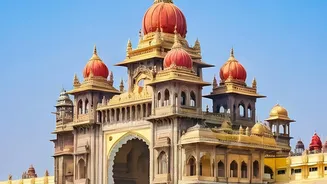
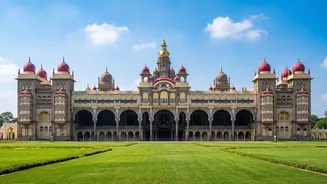
For eleven days, Mysuru transforms. The state festival, or 'Nada Habba', is a spectacle rooted in centuries of royal history, celebrating Goddess Chamundeshwari's victory over the demon Mahishasura. The entire city becomes a stage, with the Amba Vilas
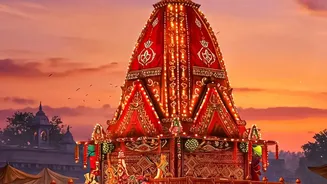
Palace, illuminated by nearly 100,000 light bulbs, as its glittering centrepiece. The 2026 festivities, which ran from October 11th to 21st, saw a packed schedule of cultural programmes, food melas, flower shows, and sporting events. This year also saw the introduction of the coastal folk sport Kambala, a move designed to showcase the traditions of other Karnataka regions on this international stage. The festival culminates in the famous Jamboo Savari, a grand procession where an idol of the Goddess is carried in a golden howdah atop a decorated elephant through streets thronged by locals and tourists alike.
A Blueprint for Cultural Tourism
Mysuru Dasara is more than just a celebration; it's a highly effective economic engine and a masterclass in cultural tourism. The festival attracts visitors from across the globe, filling hotels to capacity and providing a significant boost to local businesses, from restaurants to artisans. The event’s success lies in its blend of state-backed organisation, deep-rooted community involvement, and preservation of royal traditions that date back to the Vijayanagara Empire. This combination of authentic heritage and modern event management creates an experience that feels both sacred and accessible. By evolving—for example, by including events like Kambala or drone shows—it keeps the celebration fresh while honouring its core traditions, ensuring it remains relevant to new generations of travellers.
India's Untapped Festival Goldmine
While Dasara is a shining example, it represents a wider, largely untapped potential. Across India, countless regional festivals offer similarly authentic and powerful cultural experiences. Consider the Hornbill Festival in Nagaland, which brings together various Naga communities to showcase their unique traditions, or the Pushkar Camel Fair in Rajasthan, which has evolved from a livestock market into a major cultural event. From the Rann Utsav in Gujarat's white desert to the snake boat races during Onam in Kerala, these events are vibrant hubs of local life, art, and history. They are opportunities for travellers to engage with the country on a deeper level, beyond the standard monuments and tourist trails. Each festival offers a unique window into the soul of its region, presenting a rich tapestry of stories, rituals, and community spirit.
From Local Celebration to Global Destination
Turning a local festival into a sustainable tourist attraction requires a delicate balance. The key is to enhance, not replace, the local character. This involves improving infrastructure like transport and accommodation, but also focusing on authentic promotion that respects the event's cultural significance. The economic benefits are clear: festivals create seasonal employment, support local artisans, and generate revenue that circulates within the community. However, success brings challenges, including managing crowds and environmental impact. The goal should not be mere commercialisation, but creating a sustainable ecosystem where tourism supports the preservation of cultural heritage. By investing in professional management and promoting these events to a wider audience, other states can follow Mysuru's lead, unlocking economic growth while safeguarding their unique traditions.