






The Unpredictable New Monsoon
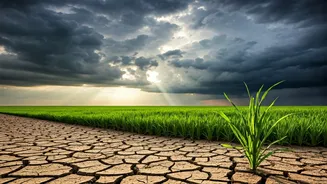
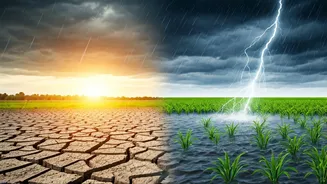
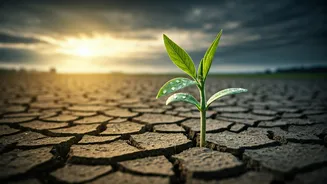
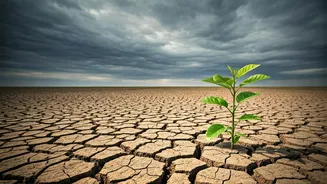
The monsoon is no longer the reliable, season-long event it once was. Climate change is transforming India's rainfall patterns. Instead of steady, widespread showers that nourish the soil for months, the country is increasingly experiencing long dry spells
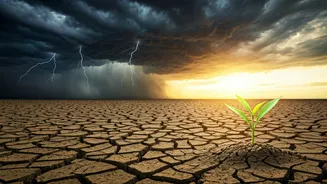
punctuated by sudden, intense downpours. [12] This volatility is the new normal. Scientists have observed that while total precipitation is declining, heavy rainfall events have become more frequent since the mid-20th century. [12] This shift means that one part of the country might be grappling with floods while another faces drought-like conditions, making agricultural planning a high-stakes gamble for millions of farmers who depend on seasonal rains. [8, 15]
A Crisis from Farm to Field
Agriculture, which employs nearly half of India's workforce, is on the front lines of this climate shift. [10] The Kharif or summer cropping season is critically dependent on the timely arrival and even distribution of monsoon rains. [5] When the monsoon is delayed or patchy, as it has been in recent years, the sowing of essential crops like rice, pulses, soybean, and cotton is severely affected. [3, 16] Farmers are forced to contend with reduced soil moisture, which can stunt crop growth and lower yields. A poor monsoon not only shrinks harvests but also places immense pressure on water resources, as farmers must spend more on electricity and diesel for irrigation to save their crops. [16] This dual pressure of lower output and higher input costs squeezes farm incomes, deepening rural distress. [8]
The Direct Hit on Your Grocery Bill
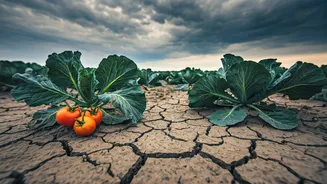
The journey from a struggling farm to your kitchen table is a short and direct one. Reduced agricultural output quickly translates into supply shortages and higher food prices. [2] Food and beverages constitute the largest component of India’s consumer price index, meaning any shock to crop production is felt almost immediately at the local kirana store. [2] In recent years, erratic monsoons have been directly linked to double-digit inflation for essentials like pulses and cereals. [8] The prices of vegetables like tomatoes and onions, which are highly sensitive to supply disruptions, often skyrocket. [2] This persistent food inflation erodes the purchasing power of every family, making it more expensive to put food on the table. [2]
Beyond Food: The Ripple Effect
The economic impact of a weak monsoon extends far beyond the price of groceries. It creates a domino effect across the entire economy. Lower farm incomes lead to a slump in rural demand for everything from tractors and two-wheelers to fast-moving consumer goods. [5] Furthermore, India’s water security is deeply tied to the monsoon, which replenishes reservoirs crucial for drinking water and hydropower generation. [15] Deficient rainfall can lead to reduced electricity production from dams, forcing a greater reliance on more expensive thermal power and potentially leading to higher electricity bills. [15, 17] The World Bank has warned that changing monsoon patterns, combined with rising temperatures, could reduce India's GDP by up to 2.8% by 2050 and negatively impact the living standards of nearly half the population. [2]