




The Myth of 'Lightweight' Fabrics
For years, the go-to advice for monsoon dressing has been to choose lightweight fabrics. It seems logical—heavy clothes are uncomfortable when it's humid. However, this advice is often misleading. The Indian monsoon brings relentless humidity, where some
lightweight synthetic fabrics can feel like wearing a plastic bag. They trap heat and moisture, leaving you feeling sticky and damp even if you haven't been caught in a downpour. Conversely, a slightly heavier but natural, breathable fabric can feel far more comfortable. The problem isn't the gram-per-square-metre (GSM) of a fabric, but rather its properties. A fabric's ability to breathe, release moisture, and avoid clinging to the skin is far more important than its weight alone. Pure, heavy cottons and denim, for instance, are notoriously bad choices as they absorb a huge amount of water and take hours, if not days, to dry in the damp air.
Understanding 'Movement' and Drape
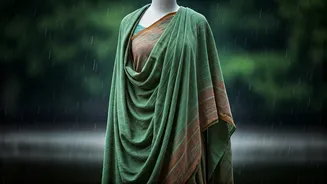
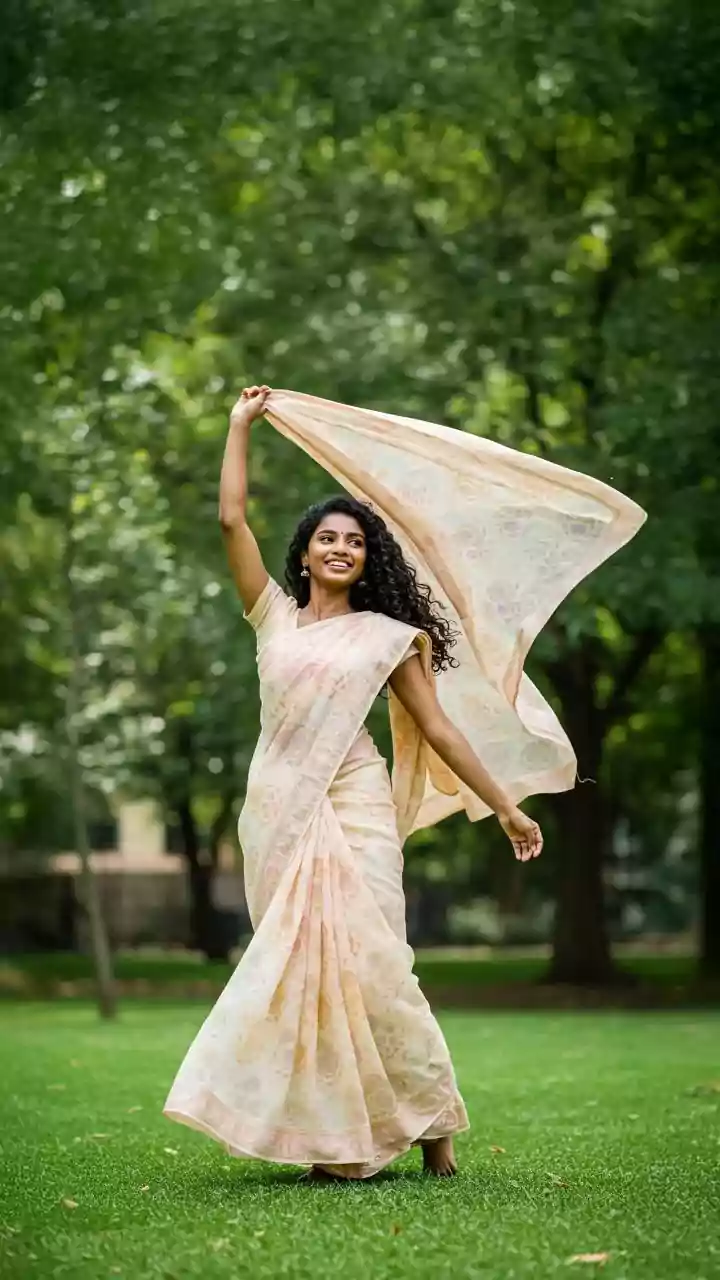
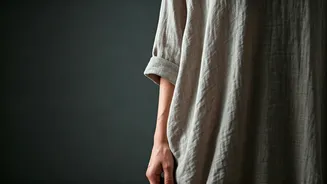
So, what is the alternative? Focusing on 'movement'. This refers to how a fabric drapes, flows, and stands away from your body. A fabric with good movement doesn't stick to you when it gets damp from humidity or a light drizzle. It allows for constant airflow, which is the key to comfort in a humid climate. Fabrics like georgette, crepe, and rayon are masters of movement. They have a fluid quality that allows them to skim the body rather than cling to it. This creates a personal ventilation system, preventing that clammy feeling. Think of a flowy rayon kurta versus a tight-fitting polyester t-shirt. The rayon moves with you, letting air circulate, while the polyester sticks the moment you start to sweat. This is the core principle: your clothes should move freely to help you navigate the season with ease.
Your Monsoon Fabric Guide
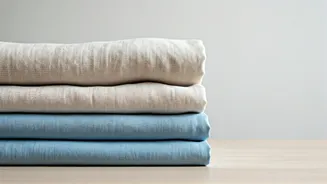
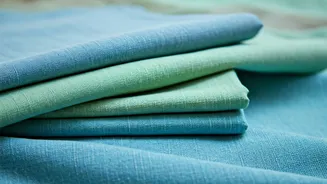
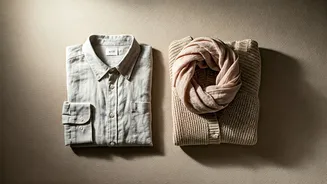
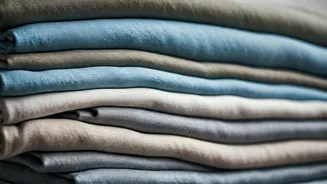
To build a wardrobe that prioritises movement, focus on these hero fabrics. Fine cottons like mulmul and cotton voile are excellent choices; they are breathable, absorb some moisture without feeling heavy, and dry relatively quickly. Rayon and its cousins, Modal and Lyocell, are fantastic for their silk-like drape and ability to dry faster than cotton. They are ideal for creating those flowing silhouettes that define monsoon comfort. Crepe is another winner; it's often slightly thicker than cotton but doesn't stick to the body and resists wrinkling, making it a practical choice for a long day. Linen is also a strong contender due to its incredible breathability and moisture-wicking properties, though you have to be comfortable with its tendency to wrinkle. Cotton blends, which mix cotton with a bit of polyester, can offer the best of both worlds: the comfort of cotton with the quick-dry benefits of a synthetic.
Silhouettes That Let You Breathe
The right fabric is only half the battle; the cut of your garment is equally crucial. To maximise airflow, opt for relaxed and anti-fit silhouettes. Think A-line kurtas, flared midi dresses, wide-leg trousers or culottes, and breezy kaftans. These styles ensure the fabric doesn't sit right against your skin, allowing for better air circulation and quicker drying. Cropped lengths are your best friend during this season. Ankle-length pants and shorter kurtis or dresses save you from the hassle of muddy, sodden hems. Avoid anything too restrictive like skinny jeans or tight-fitting tops, as they will trap sweat and feel intensely uncomfortable in the high humidity. The goal is to create a gap between your skin and your clothes, letting your body breathe.
Practical Styling for Rainy Days
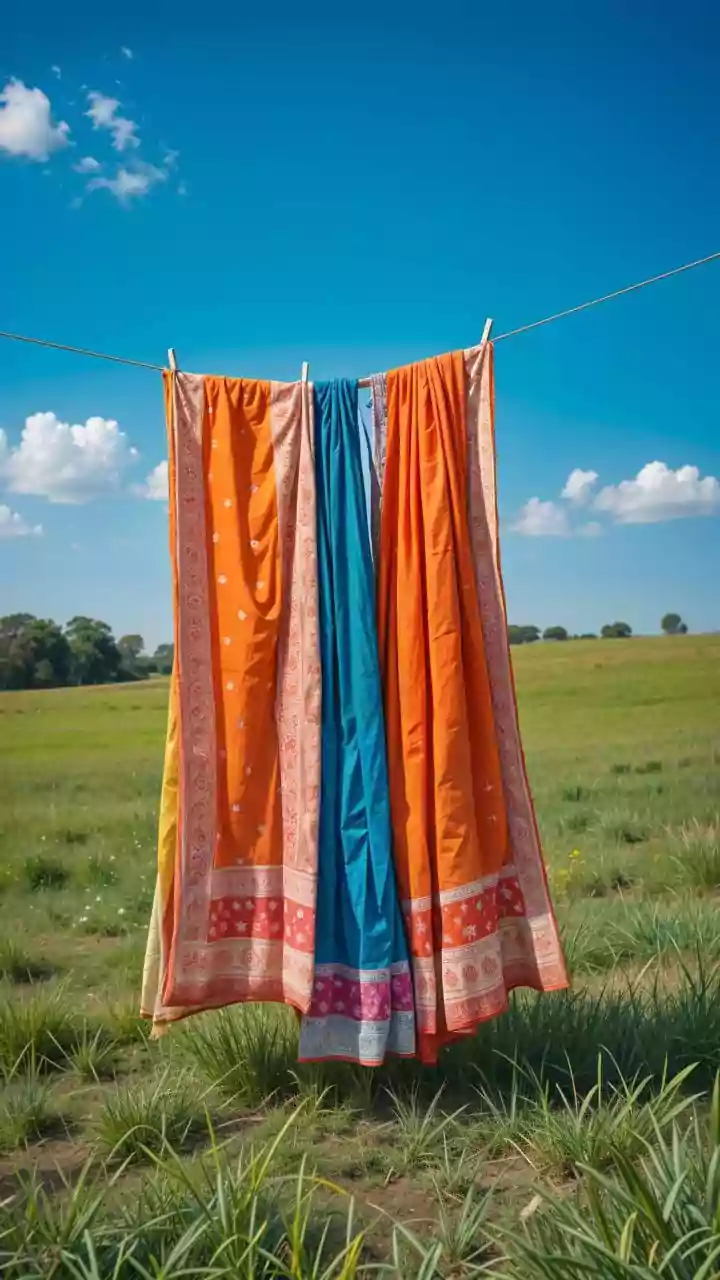
Beyond fabric and fit, a few smart choices can make a world of difference. Darker colours and busy prints are incredibly practical as they are more forgiving of the inevitable water splashes and mud spots. While pure white cotton is a summer classic, it can become transparent when wet, making it a risky choice for a rainy day commute. Instead, consider deep blues, maroons, or vibrant prints that hide imperfections. Layering should also be strategic. A heavy dupatta will become a soggy burden in the rain. A light, open-front jacket or a shrug in a quick-drying fabric is a much more practical alternative that you can easily remove indoors.