








The Rise of a New Fusion Favourite
In the bustling cafes of urban India, a delicious experiment is taking place. Chefs are moving beyond the usual paneer tikka and butter chicken toppings to explore more nuanced Indian flavours on their pizzas. The latest ingredient to capture their imagination
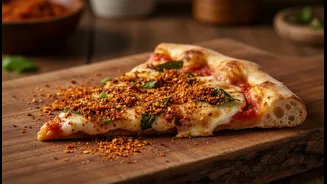
is 'podi', a coarse spice powder that is a staple in South Indian homes. This trend sees the familiar comfort of a cheesy, wood-fired pizza getting a crunchy, aromatic, and distinctly desi makeover. It's a fusion that feels both surprising and perfectly logical, combining the global appeal of pizza with the regional specificity of one of India's most beloved condiments. This isn't just about adding heat; it's about introducing texture and a complex layering of tastes that transforms the pizza experience entirely.
So, What Exactly Is Podi?
For the uninitiated, podi (which simply means 'powder' in languages like Tamil and Telugu) is a flavour bomb. Colloquially known as 'gunpowder' for its explosive taste, it's a dry, coarse blend of roasted lentils, seeds, dried red chillies, and other spices. Traditionally, podi is mixed with ghee or sesame oil and served as a delicious accompaniment to idlis and dosas. But every household has its own secret recipe, resulting in countless variations. Some are nutty and mild, based on lentils (Paruppu Podi), while others are intensely fragrant with curry leaves (Karuveppilai Podi). The most famous, Milagai Podi, gets its fiery kick from red chillies. This versatility is precisely what makes it such an exciting ingredient for creative chefs.
The Perfect Canvas: A Woodfired Crust
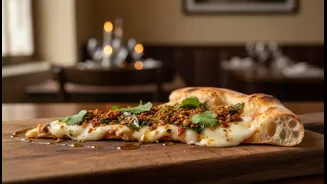
The choice of a woodfired pizza as the base for this fusion is no accident. Unlike a standard oven, a wood-fired brick oven cooks pizzas quickly at extremely high temperatures. This process lends the crust a unique texture: a crisp exterior with a light, airy chew and, most importantly, a subtle smoky flavour. This smokiness provides the perfect rustic counterpoint to the earthy, roasted notes of the podi. A traditional, tangy tomato sauce is often swapped out or used sparingly. Instead, chefs might use a base of olive oil, ghee, or even a creamy white sauce to let the podi's complex character shine through without competition. The high heat also toasts the podi sprinkled on top, intensifying its aroma just before it reaches the table.
Crafting the Flavour Balance
The art of the podi pizza lies in balance. A heavy hand could easily overwhelm the palate. Chefs carefully calibrate the amount of podi, often using it as a finishing spice, dusted over the pizza as it comes out of the oven, much like one might use parmesan or red pepper flakes. This preserves its signature crunchy texture. Toppings are chosen to complement, not compete. Mild, creamy mozzarella is a must, providing a cooling contrast to the spice. Other popular additions include roasted vegetables, sweet corn, caramelised onions, and proteins like paneer or chicken. In some creative kitchens, you might even find podi-dusted onion rings on a pizza, as seen at 'Pijja' in Bengaluru, which uses a dosa-batter to fry them. The goal is to create a harmonious bite where cheese, crust, spice, and toppings all have a role to play.
A Taste of Modern India
While the Indian fusion pizza scene has been thriving for years with toppings like tandoori chicken and paneer tikka, the use of podi signals a new, more refined direction. It represents a deeper dive into regional Indian pantries for inspiration. This trend is blossoming in independent pizzerias and creative cafes in cities like Bengaluru, Mumbai, and Delhi, which are becoming hotspots for such culinary innovations. These establishments understand that modern Indian diners are adventurous and eager to embrace new interpretations of familiar flavours. The podi pizza is more than just a novelty; it is a delicious symbol of a culinary culture that is constantly evolving, respecting its roots while playfully experimenting with global formats.