


With the world watching the 2026 US midterm election results, a critical question emerges: How will a potentially changed Congress affect President Donald Trump’s 'America First' foreign policy? The answer lies in the unique powers of the presidency.
The President’s Broad Powers Abroad
The U.S. Constitution grants the president significant authority in foreign affairs. As Commander-in-Chief of the armed forces, the president can deploy troops and direct military operations. This power has historically allowed presidents to respond to crises or engage in military actions without a formal declaration of war from Congress. Additionally, the president is the nation's chief diplomat, with the power to negotiate with other countries, recognize foreign governments, and appoint ambassadors. This authority allows the president to set the tone and direction of America's relationships with the rest of the world, a power Trump has used to reshape alliances and confront adversaries.
Where Congress Can Step In
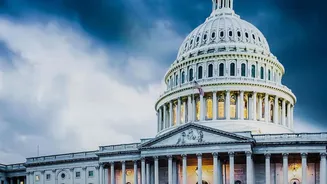
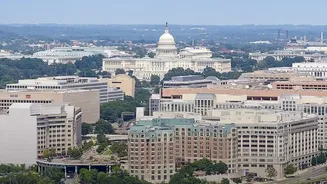
While the president leads, Congress is not a mere spectator. The legislative branch holds several key powers that act as a check on the executive. Most notably, Congress controls all federal spending through its 'power of the purse'. This means it can choose to fund—or defund—the president's foreign policy initiatives, from foreign aid to military operations. Congress also has the sole power to formally declare war, regulate international commerce, and write sanctions into law. The recent midterm elections, which saw Democrats take control of both houses, means they will now chair important committees, allowing them to hold hearings, demand documents, and scrutinize the administration's actions, particularly concerning the war in Iran and support for allies.
The Power of Treaties and Executive Agreements
Formal treaties with other nations require the approval of a two-thirds majority in the Senate, a high bar that forces a president to seek consensus. However, presidents have increasingly relied on 'executive agreements', which are international pacts that do not require Senate ratification. These agreements allow a president to make significant foreign policy commitments on their own authority, covering everything from trade to stationing troops abroad. President Trump's 'America First' approach has often favored unilateral action and bilateral deals over broad, multilateral treaties, a strategy that largely bypasses the need for congressional approval.
Trade, Tariffs, and Economic Pressure
One of the most visible aspects of Trump's foreign policy has been his use of tariffs and the initiation of trade wars. The president has statutory authority, granted by laws like the International Emergency Economic Powers Act, to impose economic sanctions and tariffs on foreign entities. While the new Democratic-controlled Congress is expected to challenge these policies, especially those seen as increasing costs for American consumers, the president's ability to act unilaterally in this domain is substantial. Experts suggest that while Congress may attempt to roll back some tariffs, Trump's veto power and executive authority will make a complete reversal of his trade agenda unlikely.
What to Expect After the Midterms
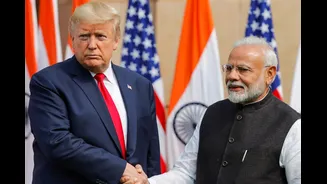
With Democrats now in control of Congress, President Trump will face significant domestic opposition and increased oversight of his foreign policy. We can expect legislative challenges to his agenda, particularly on funding for military actions and foreign aid. However, the fundamental constitutional powers of the presidency remain unchanged. Trump retains the authority to conduct diplomacy, command the military, and enter into executive agreements. Some analysts suggest that facing legislative gridlock at home, he may even focus more heavily on foreign policy in the next two years to secure his legacy. For countries like India, this means that while the political noise from Washington may get louder, the core tenets of Trump's transactional, 'America First' approach to global affairs are likely to continue.