








The Sweetener Spectrum Explained
Before diving into the drama, it helps to know the players. Sweeteners generally fall into three camps. First, there are artificial sweeteners like aspartame and sucralose, which are synthetic and contain zero calories. Second are sugar alcohols, such
as erythritol and xylitol; these are derived from plants but are processed and have very few calories. Finally, there are so-called 'natural' non-caloric sweeteners like stevia and monk fruit, which are extracted from plants. Though they come from different sources, they all aim to provide sweetness without the sugar, but as research shows, they are not all metabolically inert.
The Aspartame Alert: What 'Possibly Carcinogenic' Means
A major stir occurred when a World Health Organization (WHO) agency, the IARC, classified aspartame as 'possibly carcinogenic to humans' (Group 2B). This sounds alarming, but context is key. This classification means there is limited, not convincing, evidence of a cancer link in humans, specifically for a type of liver cancer. To put it in perspective, other items in the Group 2B category include aloe vera and pickled vegetables. Another WHO committee, JECFA, simultaneously reviewed the evidence and concluded there was no sufficient reason to change the acceptable daily intake (ADI). For an average adult, reaching this limit would require drinking more than a dozen cans of diet soda every day.
Erythritol's Red Flag Moment
The sugar alcohol erythritol, popular in keto and low-carb products, also faced scrutiny. Recent studies from the Cleveland Clinic linked high levels of erythritol in the blood to an increased risk of major cardiovascular events like heart attack and stroke. The research suggested that erythritol might make blood platelets more likely to clot. However, it's important to note these studies show an association, not a direct cause-and-effect relationship in all people. Researchers themselves call for more long-term studies to understand the full picture, especially since many people with higher erythritol levels already had pre-existing cardiovascular risk factors.
Are 'Natural' Options Automatically Better?
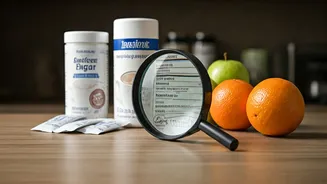
Many people gravitate towards stevia and monk fruit, assuming 'plant-derived' means healthier. These sweeteners are generally recognized as safe (GRAS) by regulatory bodies and don't appear to have the same side effects as some other types. Monk fruit, in particular, has no known side effects, even for children and pregnant women. However, the WHO's general advice is to reduce overall sweetness in our diets, regardless of the source. Some research also suggests certain sweeteners, including stevia, can alter gut bacteria, though the long-term health consequences are still unclear. It's also worth checking labels, as many stevia and monk fruit products are blended with other ingredients, like erythritol.
Navigating Your Grocery Cart
So, what's a shopper to do? The consensus isn't to panic, but to be mindful. The WHO's broad recommendation is that non-sugar sweeteners shouldn't be used for long-term weight control, as the evidence for this benefit is weak, and some long-term use has been associated with potential undesirable effects. Experts suggest the goal should be to reduce our reliance on intense sweetness overall. Instead of seeking a perfect one-to-one substitute for sugar, it may be more beneficial to consider overall dietary patterns. Choosing foods with naturally occurring sugars, like fruit, or simply opting for unsweetened versions of foods and beverages is a recommended approach.