



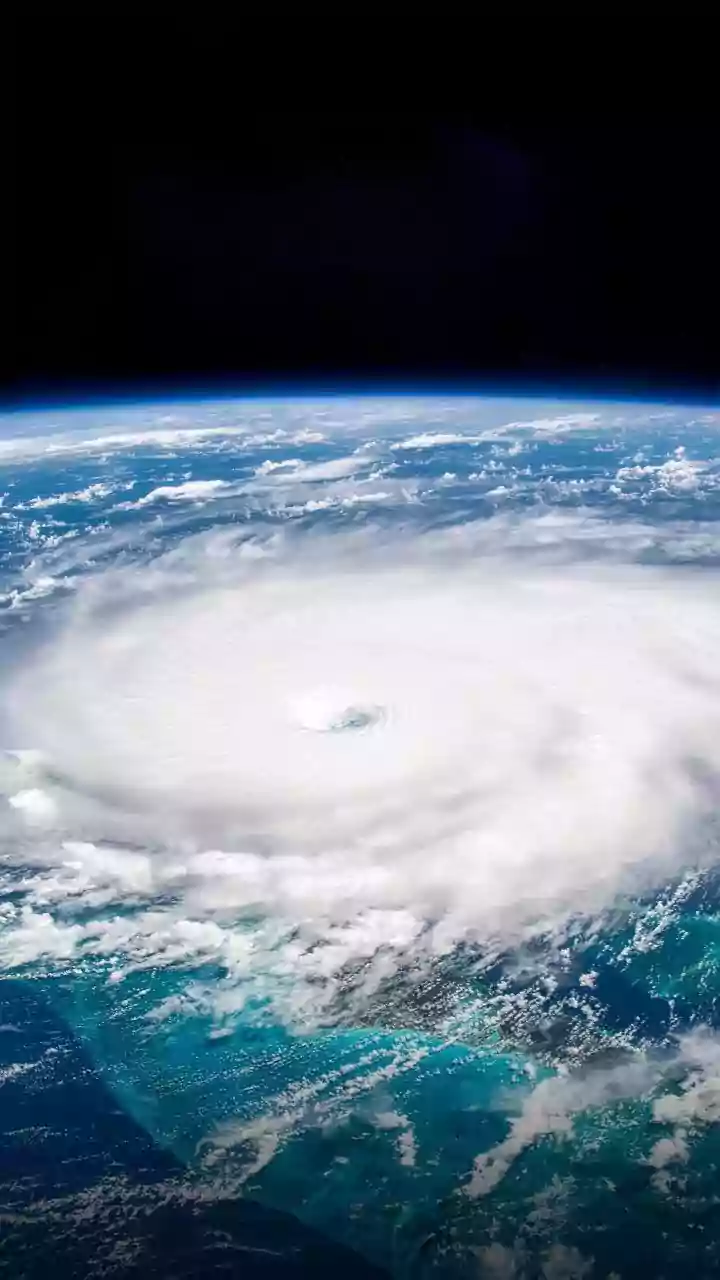
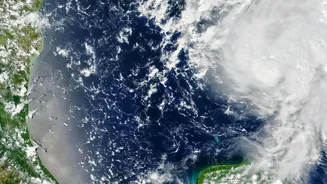


For those living along India’s vast coastlines, the cyclone season is a familiar and often dreaded part of the year. But recent scientific evidence suggests the patterns we thought we knew are changing, making storms potentially stronger and less predictable.
A Tale of Two Seas
Historically, the Bay of Bengal has been the undisputed hotspot for cyclonic activity in the North Indian Ocean, accounting for about four times as many cyclones as the Arabian Sea. Communities along the east coast, from West Bengal to Tamil Nadu, were accustomed to bearing the brunt of these powerful storms. However, a significant shift is underway. While the Bay of Bengal remains active, recent decades have seen a dramatic and concerning trend: the Arabian Sea is becoming a breeding ground for more frequent and more powerful cyclones. Studies have noted a staggering 52% increase in the frequency of cyclones in the Arabian Sea in recent decades, with the number of 'very severe' cyclonic storms jumping by 150%. Concurrently, the total number of cyclones in the Bay of Bengal has seen a slight decrease.
The Engine of Intensity: Warming Waters
The primary driver behind this change is climate change, specifically the rapid warming of sea surface temperatures. Cyclones are essentially giant heat engines that draw their destructive power from warm ocean waters. The Indian Ocean is warming faster than any other tropical ocean, and the Arabian Sea, in particular, has seen surface temperatures rise by as much as 1.2 to 1.4 degrees Celsius. This additional heat provides more fuel, allowing storms to form more readily, intensify faster, and sustain their power for longer durations. Research indicates that the duration of cyclones in the Arabian Sea has increased by 80%, giving these storms more time to cause damage. This warming has created an environment where the Arabian Sea is no longer the calmer of India's two seas, but a new frontier for severe weather.
More Power, Slower Speeds
A concerning aspect of this trend is not just the raw power of the storms but their behaviour as they approach land. There is evidence that cyclones are slowing down their forward movement. A slower-moving cyclone, even one of the same intensity, can inflict far greater damage. It lingers over coastal areas for longer periods, unleashing prolonged periods of high winds and dumping torrential rainfall. This increases the risk of catastrophic flooding, landslides, and widespread destruction of infrastructure. For example, Cyclone Arnab in 2026 took six hours to complete its landfall process, prolonging the assault on the Andhra Pradesh coast. This combination of higher intensity and slower speed presents a formidable new challenge for disaster management agencies.
The Unpredictability Factor
While scientists can clearly identify these longterm trends in frequency and intensity, this does not translate into an ability to predict specific landfalls weeks or months in advance. The headlines crucial qualifier—'Without Predicting Specific Landfalls'—highlights the difference between climate science and weather forecasting. Climatology can tell us that the dice are loaded for more intense storms in a given season, but weather forecasting can only predict the specific path of an individual storm a few days out. This creates a difficult situation for coastal communities: the general threat is increasing, but the specific, immediate risk of any single storm remains a shortterm prediction. This underscores the importance of being prepared throughout the cyclone season, as a dangerous storm can develop and intensify with relatively short notice.
Adapting to a New Reality
The shifting patterns of cyclones in the Indian Ocean demand a new approach to preparedness and coastal management. With the west coast, including Gujarat and Maharashtra, now facing a demonstrably higher risk, development plans and infrastructure projects must account for this increased vulnerability. Strengthening natural defenses like mangroves, improving the design of drainage systems to handle extreme rainfall, and building more resilient housing and public infrastructure are critical steps. For citizens, this new reality means paying closer attention to weather alerts from official sources like the India Meteorological Department (IMD) and having a clear plan for evacuation and safety. The rules of the storm season are changing, and our preparedness must evolve to meet the challenge.