







Your Body's Internal Clock
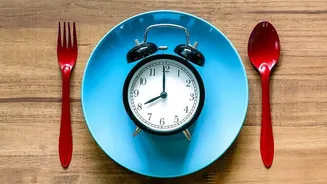
Every person operates on a 24-hour internal cycle known as the circadian rhythm. This biological clock, located in the brain, regulates nearly all of our bodily functions, from sleep-wake cycles to hormone release and, crucially, metabolism. It’s naturally
synced to light and darkness. When you work through the night and sleep during the day, this rhythm gets thrown out of sync. This misalignment can lead to a host of health issues, including a higher risk for obesity, diabetes, and heart disease. The reason is that your digestive system is also on a clock; it's primed to process food during the day and rest at night. Eating when your body expects to be sleeping can disrupt metabolism and glucose control.
Why Meal Timing Is Your Superpower
The emerging science of 'chrononutrition' studies the relationship between when you eat and your health. Research shows that eating at night can raise blood glucose levels, a risk factor for diabetes, while restricting meals to the daytime can prevent this effect, even in shift workers. Your body’s ability to manage sugar and its sensitivity to insulin are naturally higher in the morning and decrease throughout the day and night. Therefore, large meals eaten late at night are harder for your body to process efficiently. By strategically timing your meals, you can work around this metabolic slowdown, giving your body the fuel it needs when it's best able to use it and minimising the metabolic stress that comes from eating at 3 a.m.
Eat Your Main Meal Before Your Shift
The most impactful change you can make is to eat your largest, most balanced meal before your night shift begins. Think of this as your 'main dinner', even if you eat it in the late afternoon. A meal rich in lean protein (like chicken or dal), complex carbohydrates (such as brown rice or whole-wheat roti), and vegetables provides sustained energy to power you through your shift without the crash that comes from sugary snacks. Eating this larger meal when your metabolism is more active helps your body use the nutrients for energy rather than storing them as fat. Try to have this meal with family if possible, establishing a sense of routine and normalcy.
Navigating The Midnight Hours
The golden rule for the middle of your shift (roughly midnight to 6 a.m.) is to eat light, if at all. During these hours, your digestive system is at its slowest. A large, heavy meal can impair performance and increase sleepiness. Instead of a full meal, opt for small, high-quality snacks that provide energy without overwhelming your system. Good choices include a handful of nuts, a piece of fruit, a small pot of yoghurt, or a hard-boiled egg. These options offer a mix of protein, fibre, and healthy fats that promote fullness and stable energy. Avoid sugary snacks, processed foods, and high-fat takeaways, which can spike your blood sugar and lead to an energy slump.
The Post-Shift Wind-Down
What you eat after your shift is just as important as what you eat during it. The goal is to have a small, light meal that satisfies hunger and promotes sleep without disrupting your metabolism further. Going to bed starving can wake you up, but so can a heavy meal that causes indigestion. A good post-shift meal should contain protein and fibre. Think of a small bowl of oatmeal, a slice of whole-grain toast with avocado, or a glass of milk. Avoid fried, spicy, or overly processed foods right before you sleep, as these can interfere with sleep quality. Crucially, stay hydrated with water or herbal teas, but limit caffeine several hours before you plan to sleep.