








The Reality on the Shelves
There's no ignoring the pinch at the checkout counter. Recent data shows a noticeable climb in the prices of festive staples. Sugar, a cornerstone of Indian sweets, has seen its price jump significantly over the past year. Similarly, the cost of pulses
like tur and urad dal, essential for many savoury dishes, has increased. Edible oils, another non-negotiable for festive cooking, are also dearer, with groundnut and soybean oil prices showing a substantial hike compared to last year. This upward trend, driven by factors like uneven monsoon rains and global supply issues, means that the cost of preparing traditional festive meals is higher, forcing many families to rethink their budgets.
Plan Your Feasts, Not Just Your Shopping
The single most effective way to combat rising costs is to plan meticulously. Before you even think of a shopping list, plan your menu for the main festive days. Decide which sweets, snacks, and main courses you will prepare. This helps you create a precise ingredient list. Next, audit your pantry. You might already have items like spices, flour, or ghee from your last shop. A detailed list prevents impulse buys, which are often triggered by festive offers that seem too good to miss. Breaking down your list by dish can also help you see where the major costs lie, allowing you to make strategic swaps.
Become a Savvy Shopper
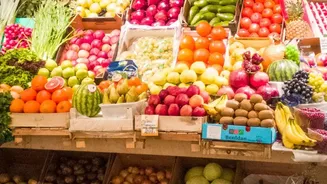
Where and when you shop matters. Don't do all your shopping at one supermarket out of habit. Compare prices between your local kirana store, the larger supermarket, and online grocery platforms. Staples like rice, atta, and lentils are often cheaper when bought in bulk, but only buy larger quantities of items with a long shelf life that you will definitely use. For fresh produce like vegetables and herbs, your local mandi or vegetable market will almost always offer better prices and fresher goods than a packaged supermarket alternative. Also, try to do your shopping in one consolidated trip to avoid spending extra on fuel and succumbing to last-minute purchases.
Embrace Smart Ingredient Swaps
A high festive budget doesn't mean you have to compromise on taste. Many expensive ingredients have more affordable but equally delicious substitutes. For instance, if premium nuts like almonds or pistachios are straining your budget, consider using them sparingly as a garnish and incorporating more affordable options like melon seeds (magaz) or peanuts in the base of your sweets. Instead of buying expensive canned purees, use fresh, seasonal tomatoes for your gravies. You can even make your own ghee at home from malai (cream), which is often more cost-effective and flavourful than store-bought varieties. Being flexible and creative with ingredients is key.
Cook in Batches to Save More
Your savings strategy shouldn't end at the store. Smart cooking techniques can also reduce costs. Preparing items in batches is a great way to save both time and energy. You can make a large batch of a base onion-tomato masala and use it for several different curries throughout the week. Similarly, ladoo or barfi mixtures can be made in one go and then shaped and stored. This 'cook once, use multiple times' approach not only streamlines your festive cooking process but also cuts down on your gas or electricity consumption, which adds to your overall savings.
Rethink the 'More is More' Mentality
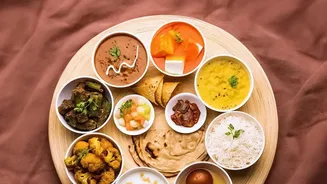
Indian festivals are often synonymous with abundance, but this doesn't have to mean an overwhelming number of dishes. Instead of preparing ten different vegetable dishes and five types of sweets, focus on creating a smaller, more curated menu of high-quality, delicious items. A few perfectly made signature dishes can be far more impressive than a dozen mediocre ones. This 'quality over quantity' approach not only reduces your food costs and preparation time but also minimises potential food waste after the celebrations are over. The focus should be on celebrating together, not on the sheer volume of food on the table.