


Understanding the Post-Monsoon Window
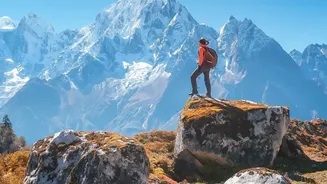
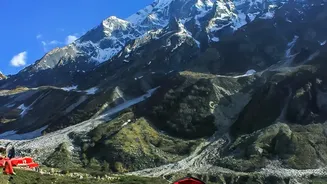
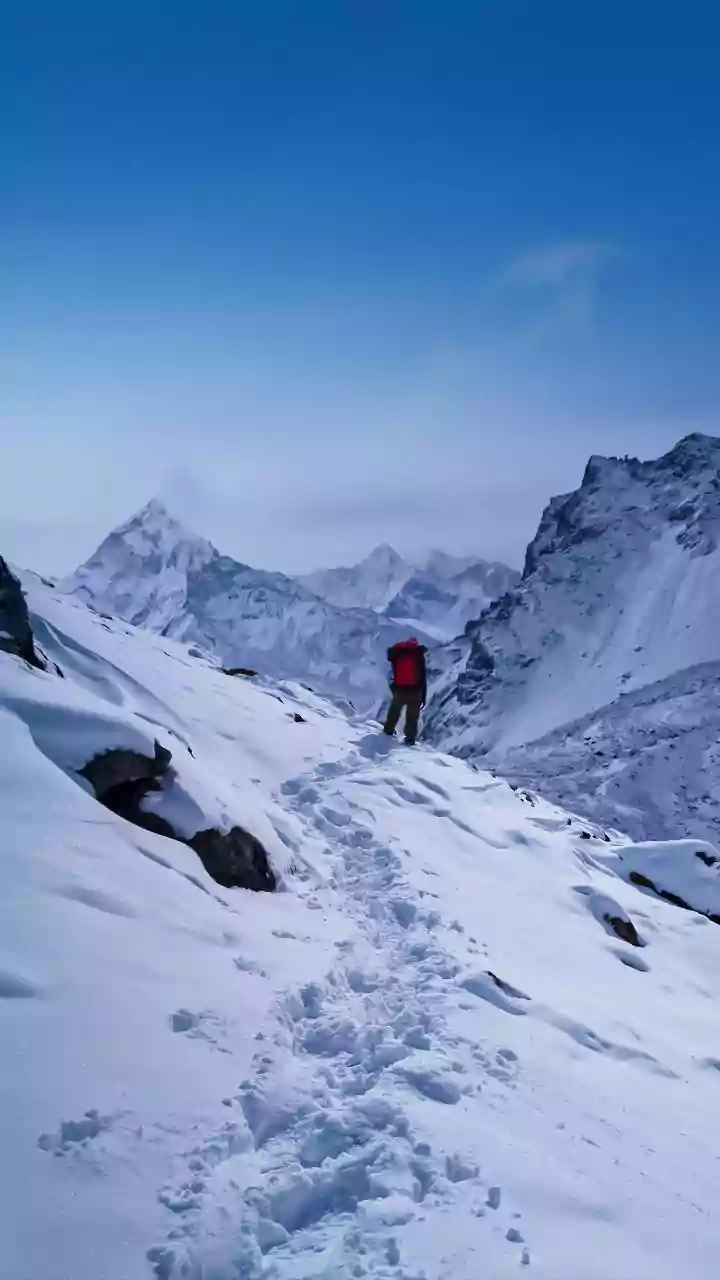
The period from late September to November is traditionally considered the best time for Himalayan treks. The monsoon has washed the dust and haze from the atmosphere, offering spectacular, sharp views of the snow-capped peaks against brilliant blue skies.
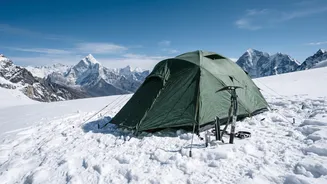
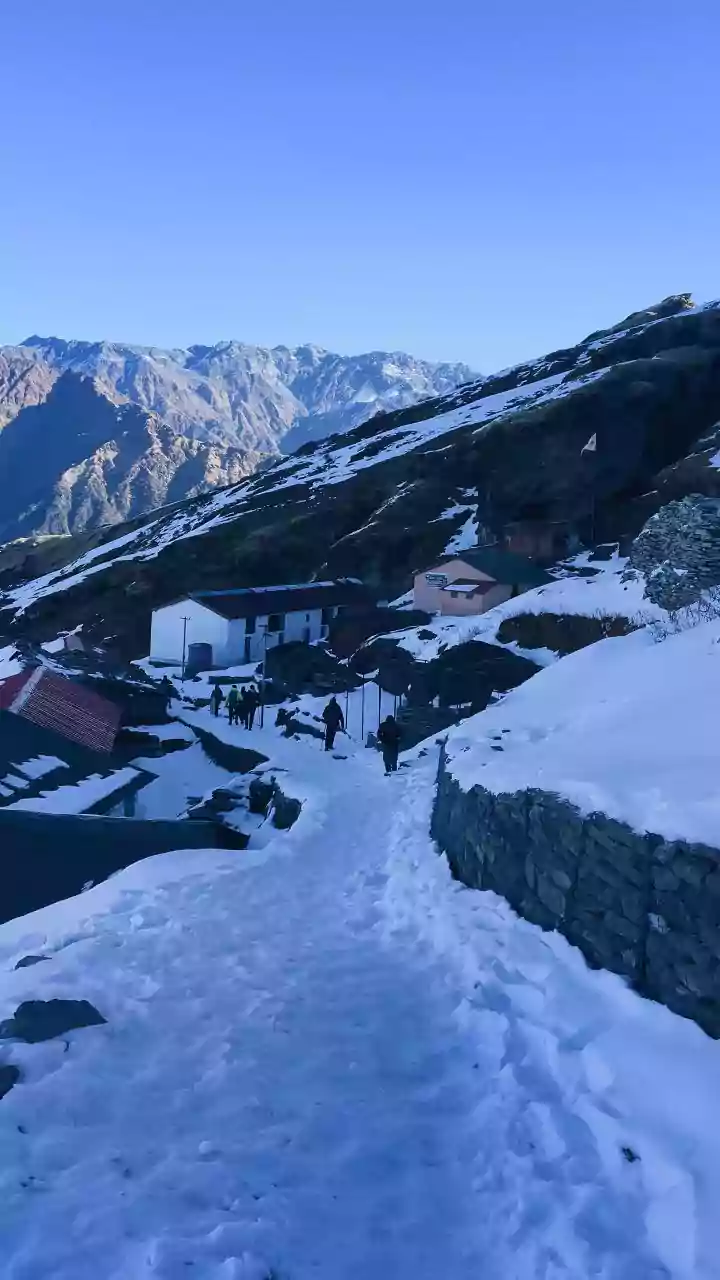
Days are typically sunny and mild, perfect for hiking. However, the weather is famously unpredictable. Temperatures can drop dramatically as soon as the sun sets, especially at higher altitudes where it can fall below freezing. While October is often stable, be aware that climate shifts can cause the monsoon to extend, leading to unexpected rain or even early-season snow, particularly from late October into November. Trails can also be muddy and slippery from the preceding rains.
The Art of Layering Your Clothing
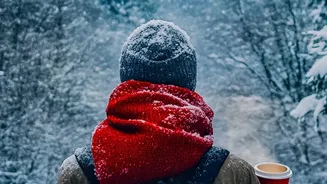
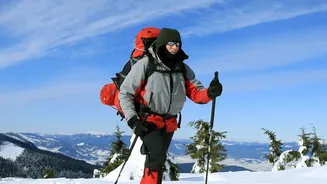
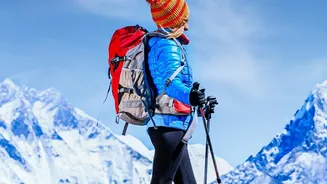
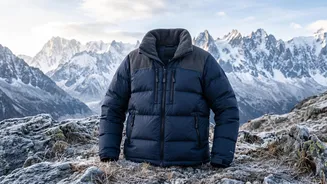
Managing the wild temperature swings in the Himalayas comes down to one crucial strategy: layering. Instead of one heavy jacket, a system of multiple layers allows you to adapt as conditions change. Start with a moisture-wicking base layer (synthetic or merino wool, never cotton) to keep sweat off your skin. Add a mid-layer for insulation, such as a fleece jacket or a lightweight down jacket. Your final layer is the outer shell—a waterproof and windproof jacket to protect you from the elements. This three-part system allows you to add or remove clothing as you heat up during a climb or cool down on a windy ridge. Don't forget warm woollen socks, gloves, and a beanie for the chilly evenings and mornings.
Essential Gear and Footwear
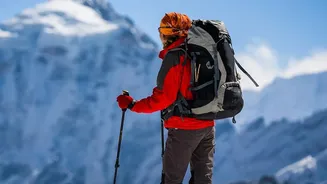
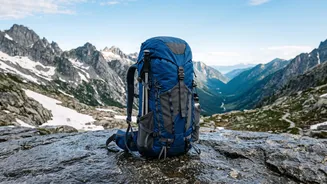
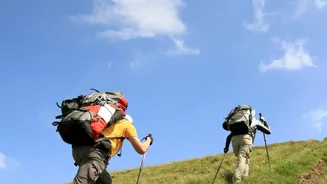
Your safety and comfort heavily depend on the right gear. The single most important item is a pair of sturdy, waterproof trekking shoes with excellent grip and ankle support. Break them in before your trip to avoid painful blisters. Trekking poles are highly recommended; they reduce the strain on your knees during steep descents and provide stability on uneven or slippery paths. A quality backpack (45-65 litres) with a rain cover is essential for carrying your gear. Other non-negotiables include a headlamp for early morning starts or navigating around camp at night, a water bottle and a purification system, and a well-stocked first-aid kit. Pack dry bags or stuff sacks to keep your electronics and sleeping bag protected from any moisture.
Health, Hydration, and Acclimatisation
Altitude sickness, or Acute Mountain Sickness (AMS), is a serious risk for anyone travelling above 2,500 metres (8,200 feet). Symptoms include headache, nausea, dizziness, and fatigue. The best prevention is gradual acclimatisation—ascend slowly and incorporate rest days into your itinerary. A common guideline is to 'climb high, sleep low'. Staying well-hydrated by drinking plenty of water is crucial, as dehydration can worsen AMS symptoms. Consult a doctor about preventative medication like acetazolamide before your trip. If you or a member of your group shows signs of moderate to severe altitude sickness, the only reliable treatment is to descend to a lower elevation immediately.
Navigating Post-Monsoon Hazards
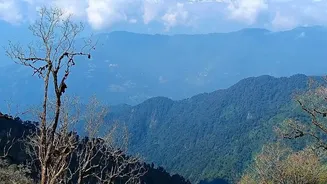
While the views are clear, the aftermath of the monsoon can leave behind specific dangers. Landslides remain a risk on slopes that are still saturated with water, which can block roads and trails. Always check local conditions and travel with an experienced, licensed guide who understands the terrain. Be prepared for slippery and muddy sections on the trail, which require careful footing. In some forested areas, leeches can still be active after the rains, so wearing long pants and leech socks can be a wise precaution. Finally, always have a backup plan. Unpredictable weather can force itinerary changes, so building a couple of buffer days into your schedule is a smart move.