



An Unseen Ingredient in Our Meals
Microplastics are tiny plastic particles less than 5 millimetres long, born from the breakdown of larger plastic items like bottles, bags, and containers. They are now found everywhere, from the deepest oceans to the air we breathe. A recent Indian study
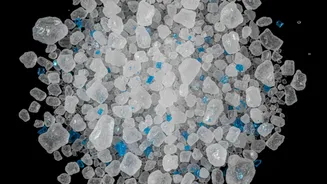
by the environmental group Toxics Link brought the issue home, revealing that all tested samples of major salt and sugar brands in the country contained microplastics. The study found that even basic staples aren't immune, with concentrations varying across different types of salt and sugar. This isn't just an Indian phenomenon; globally, scientists have found these particles in seafood, bottled water, fruits, and vegetables, confirming that they have fully infiltrated our food chain.
The Journey from Plastic to Plate
How do these particles end up in our food? The pathways are numerous. Plastic waste in the environment breaks down and contaminates soil and water. These particles are then ingested by fish and other marine life or absorbed by crops. Beyond environmental contamination, our own kitchens can be a source. Plastic food containers, especially when heated, can leach particles into our meals. The same goes for using plastic cutting boards, which can release thousands of particles annually, or cooking with plastic utensils in hot pans. Even food packaging itself can be a contributor, shedding tiny fibres and fragments onto the food it's meant to protect.
What Are the Health Concerns?
The big question is whether this contamination is harmful. The science is still evolving, and regulatory bodies like the US Food and Drug Administration note that current evidence has not demonstrated a definitive risk to human health from the levels found in food. However, laboratory and animal studies raise concerns. Researchers are investigating links between microplastic exposure and issues like inflammation, gut health disruption, and oxidative stress. Another concern is that plastics contain chemical additives like BPA and phthalates, which are known endocrine disruptors that can interfere with the body's hormones. While the long-term impact on humans is not yet fully understood, the widespread presence of these particles is enough to prompt a precautionary approach.
Swap Your Storage Solutions
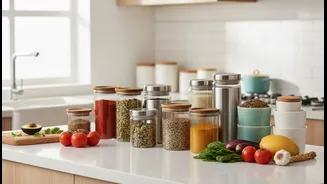
One of the most effective changes you can make is rethinking your food storage. Swap out plastic dabbas and containers for alternatives like glass, stainless steel, or ceramic. These materials are non-porous and won't leach chemicals into your food, even when storing acidic or hot items. Glass containers are great because you can easily see what's inside and they can often go from the fridge to the microwave safely. Stainless steel is durable, lightweight, and perfect for packing tiffins for work or school. While it requires an initial investment, these containers last much longer than their plastic counterparts, making them a more sustainable and potentially safer choice in the long run.
Cook with Consciousness
Your cooking habits can also significantly reduce exposure. A golden rule is to never microwave food in plastic containers, even if they are labelled "microwave-safe." The heat can accelerate the release of plastic particles and chemicals. Instead, transfer food to a glass or ceramic dish before heating. Take a look at your utensils and cookware. Switch from plastic cooking spoons and spatulas to ones made of wood, bamboo, or stainless steel. Pay attention to your non-stick pans; if the surface is scratched, it can release plastic compounds and should be replaced. Also, consider your cutting board. Studies show plastic boards can be a major source of microplastics, so switching to a solid wood or bamboo board is a simple, effective change.
Shop Smarter, Eat Wiser
Reducing exposure begins before you even start cooking. At the market, opt for fresh, loose fruits and vegetables whenever possible to avoid plastic packaging. When buying items like oils, pickles, or sauces, choose brands that use glass jars instead of plastic bottles or pouches. Given that bottled water can be a significant source of microplastics, investing in a good water filter and using a reusable stainless steel or glass water bottle is a healthier habit for both you and the environment. While it is impossible to eliminate all exposure, being a mindful consumer and making conscious choices can collectively lower your intake and send a message to producers that plastic-free options are in demand.