





Start with a Waterproof Foundation
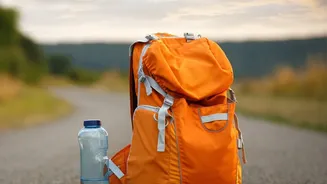
Your first line of defence is your luggage. A fully waterproof backpack is the ideal choice, but a durable bag with a snug rain cover also works well. This isn't just about downpours; bags are often left on wet tarmacs or in damp bus storage. For your personal
rainwear, a lightweight poncho or a hooded rain jacket is more practical than an umbrella, which can be useless against strong monsoon winds, especially in hilly areas. Having a hands-free option allows you to manage luggage or hold onto railings on slippery terrain. The goal is to create a primary shield against moisture before you even pack a single item.
Rethink Your Clothing and Footwear
The biggest last-minute packing mistake is choosing the wrong fabrics. Leave your cotton t-shirts and denim jeans behind. These materials absorb moisture, take days to dry in high humidity, and can lead to skin irritation and a musty odour. Instead, pack quick-drying synthetic clothes like polyester or nylon. These are lightweight and can be washed in a hotel sink and be dry by morning. Pack knee-length trousers to avoid soaking the hems in puddles. For footwear, waterproof sandals or floaters with a good grip are essential for navigating slippery, waterlogged streets. Avoid leather shoes, canvas sneakers, and flip-flops, which offer poor grip and can cause falls. Always pack at least one extra pair of socks to ensure you have a dry pair to change into.
Assemble a Monsoon-Specific Health Kit
Your standard first-aid kit needs a monsoon upgrade. The rainy season increases the risk of specific health issues. Mosquito-borne diseases like dengue and malaria are rampant, making a strong insect repellent non-negotiable. Due to high humidity and dampness, fungal infections are common, so include an antifungal powder or cream. Water contamination is a major concern, so carry electrolyte powders or ORS sachets to combat dehydration from stomach bugs. Your kit should also have the basics: antiseptic wipes, waterproof bandages, pain relievers, and any personal prescription medications. It’s wise to avoid street food and drink only boiled or bottled water to prevent water-borne illnesses.
Protect Your Documents and Electronics
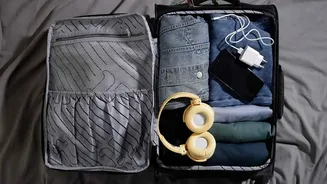
Water can instantly destroy your most valuable items. Pack all electronics—phones, chargers, cameras, and laptops—in waterproof pouches or sealed zip-lock bags. A portable power bank is a must-have, as power cuts are frequent during heavy rains and you may face unexpected travel delays. Don’t forget your documents. Keep your Aadhaar card, tickets, hotel bookings, and cash in a separate waterproof folder. It’s also a good practice to have digital copies saved on your phone and a cloud service. Before leaving, download offline maps for your destination, as mobile connectivity can be unreliable during severe weather.
Pack for Delays and Road Travel
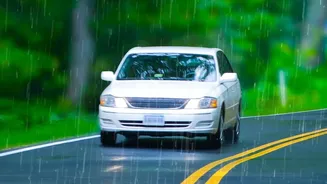
Monsoon travel is unpredictable. Landslides, fallen trees, and flooded roads can cause long delays. Be prepared by packing shelf-stable snacks like nuts or protein bars and a bottle of drinking water. If you are travelling by car, your emergency kit should be more robust. Include a tow rope, jumper cables, and a reflective warning triangle. Ensure your tyres have adequate tread, your wipers are working correctly, and your headlights are functional for low-visibility conditions. Never attempt to drive through waterlogged roads if you can't see the surface—it can hide deep potholes or open manholes, and even a few inches of flowing water can cause you to lose control of your vehicle.