




The Ritual of Chai and Pakoras
It is a truth universally acknowledged in India that a rainy day calls for chai and pakoras. This isn't just a snack; it's a multi-sensory ritual. The sound of rain is a cue for the sizzle of besan batter hitting hot oil. For many, this combination is pure
nostalgia, triggering memories of family gatherings. The crisp, golden pakoras—whether onion, potato, or paneer—offer a satisfying crunch that contrasts with the damp weather. Paired with a steaming cup of masala chai, spiced with ginger and cardamom, the experience provides a deep, psychological comfort that warms you from the inside out. It’s a simple, accessible pleasure that turns a gloomy afternoon into a celebration.
The Smoky Charm of Bhutta
The smoky aroma of bhutta, or roasted corn on the cob, is inseparable from the Indian monsoon. Found at countless roadside stalls, especially near scenic viewpoints, this humble snack is a seasonal icon. Corn cobs are roasted over hot coals until the kernels are tender and slightly charred. The vendor then rubs it generously with a mixture of salt, chilli powder, and a squeeze of tangy lime. Holding the warm cob and biting into the smoky, spicy, and tangy kernels while a cool breeze blows is an experience that delights all the senses. It’s a light yet flavourful treat that perfectly captures the essence of the season.
The Festive Sweetness of Ghevar
Ghevar is a traditional Rajasthani sweet that makes its grand appearance during the monsoon months, particularly for festivals like Teej and Raksha Bandhan. This disc-shaped dessert has a unique, honeycomb-like texture achieved by deep-frying a batter of flour and ghee. It is then soaked in sugar syrup. The humidity in the monsoon air is said to be ideal for helping the crispy ghevar absorb the syrup perfectly, creating a texture that is both crunchy and tender. Often topped with malai (thickened cream) or rabri and sprinkled with nuts, ghevar is a symbol of celebration and goodwill exchanged between families.
The Regal Hilsa of Bengal
For Bengalis, the monsoon is synonymous with the arrival of Ilish, or Hilsa fish. Considered the 'king of fish', Hilsa migrates from the sea to rivers to spawn during this season, which is when it is at its most flavourful and rich in oils. This seasonal availability makes it a prized delicacy. Preparations like Shorshe Ilish (cooked in a pungent mustard paste) and Bhapa Ilish (steamed with spices in a banana leaf) are iconic dishes that highlight the fish's delicate, buttery texture. Enjoying a Hilsa meal with steamed rice is a cherished cultural tradition, representing a deep connection between the season, the river, and the community.
The Comfort of Samosas and Kachoris
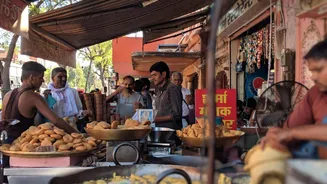
While available year-round, deep-fried savory pastries like samosas and kachoris take on a special significance during the monsoon. A hot, flaky samosa filled with a spicy potato and pea mixture is the perfect antidote to a chilly, wet evening. Paired with tangy tamarind and mint chutneys, it’s a classic street food indulgence. Similarly, kachoris, especially the crisp, lentil-filled versions from Rajasthan and North India, offer a burst of flavour and texture. These snacks are a go-to for road trips and tea-time gatherings, providing a satisfying and comforting crunch on a rainy day.
Warming Up with Hearty Soups
When the rain brings a chill to the air, a bowl of hot soup is deeply comforting. In South India, a peppery Rasam is a monsoon staple. This thin, tangy soup made with tamarind, tomatoes, and a blend of spices like black pepper and cumin is known for its ability to ward off colds and soothe the soul. Further north and in the Himalayan regions, a bowl of Thukpa, a Tibetan noodle soup with vegetables or meat in a flavourful broth, provides similar warmth and nourishment. Both are light on the stomach yet intensely satisfying, making them ideal meals for the season.
The Sweet Indulgence of Hot Jalebis
The sight of golden spirals of jalebi being fried in a wide pan is a welcome one on any rainy day. These crispy, chewy sweets are made by deep-frying a fermented batter and then soaking them in warm sugar syrup. The contrast between the hot, crisp exterior and the sweet, syrupy interior is incredibly satisfying. For an even more decadent experience, jalebis are often paired with cool, creamy rabri (thickened sweetened milk). This combination of hot and cold, crispy and creamy, makes it a truly indulgent dessert that feels custom-made for the monsoon's romantic and cozy atmosphere.