


Understanding the Indian Protein Gap
The Indian Council of Medical Research (ICMR) recommends a daily protein intake of about 0.83 grams per kilogram of body weight for a healthy adult. This means a person weighing 60 kg needs around 50 grams of protein daily. However, studies indicate that
the average intake in India is closer to 0.6 grams per kg. This shortfall is known as the protein gap. While some recent analyses suggest the total quantity of protein consumed might be adequate, they highlight a critical issue of quality. A significant portion of this protein, nearly 50%, comes from cereals like rice and wheat, which have lower digestibility and are considered 'incomplete' proteins because they lack a full profile of essential amino acids.
Why More Protein Matters
Protein is often associated with building muscle, but its role in the body is far more extensive. It is a crucial building block for tissues, helps produce hormones and enzymes, and supports a healthy immune system. Inadequate protein intake can lead to fatigue, hair loss, a weakened immune response, and slower recovery from injuries. A diet with sufficient protein also promotes satiety, meaning it helps you feel full and satisfied after meals, which can help in regulating appetite and reducing the consumption of unhealthy snacks.
Power Up Your Breakfast
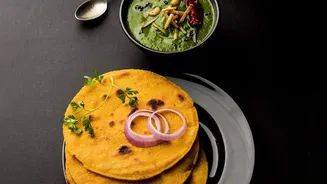
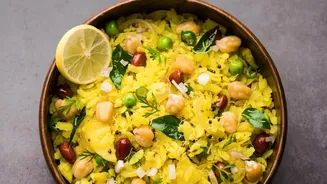
For many, the first meal of the day is heavy on carbohydrates. Simple changes can make a big difference. If you enjoy poha or upma, try adding a handful of roasted peanuts or sprouted moong. Instead of a plain paratha, a paneer or sattu-stuffed paratha can significantly boost your protein intake. A bowl of dahi (curd) on the side is another excellent addition. For those who eat eggs, adding two boiled eggs or a simple masala omelette can provide a high-quality protein start to the day. Even a simple moong dal chilla offers a substantial protein serving compared to many other breakfast staples.
Reimagining Lunch and Dinner
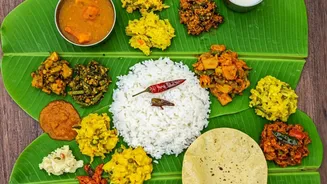
The classic Indian thali is already well-designed, but small adjustments can optimize its protein content. Ensure every main meal includes at least one serving of dal, legumes, or pulses like rajma, chana, or lobia. While a small bowl of dal is good, typical serving sizes might only provide 5-8 grams of protein. Try to increase the portion or complement it with another protein source. Adding crumbled paneer or tofu to your sabzi, including a bowl of raita or curd, or ensuring your non-vegetarian portion is adequate can help. Simply pairing your rice or roti with multiple protein-rich side dishes instead of just one is an effective strategy.
Snack Smarter
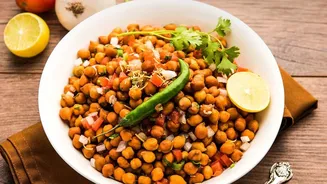
Mid-meal hunger is often satisfied with fried snacks, biscuits, or other carbohydrate-heavy options that offer little nutritional value. This is a missed opportunity for a protein boost. Instead, opt for a handful of roasted chana or peanuts, a bowl of sprouts chaat, a serving of Greek yogurt (hung curd), a few boiled eggs, or a small portion of nuts and seeds like almonds and pumpkin seeds. These snacks not only curb hunger but also contribute meaningfully to your daily protein target.
Embrace Plant-Based Powerhouses
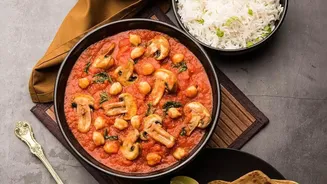
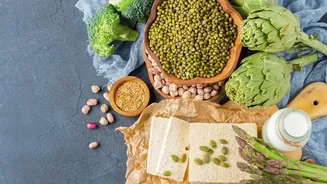
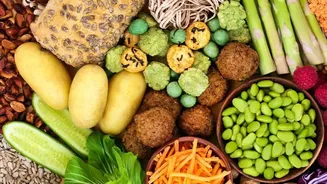
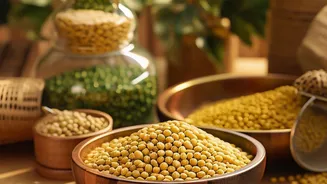
A common myth is that a vegetarian diet is inherently low in protein. Indian cuisine is rich with excellent plant-based protein sources. Lentils (dals), chickpeas (chana), and kidney beans (rajma) are staples for a reason. Beyond these, soy products like tofu and soya chunks are incredibly versatile and protein-dense. Paneer (cottage cheese) and curd are excellent dairy sources. Incorporating a wider variety of these foods is key. Rotating different dals and legumes throughout the week ensures you get a broader range of amino acids and nutrients.