
Uttarakhand's forest villages offer a serene escape into nature's lap. But to truly capture their magic, timing is everything. Planning your visit during two specific windows of the year can transform a good trip into an unforgettable one.
The Allure of Forest Villages
Far from the
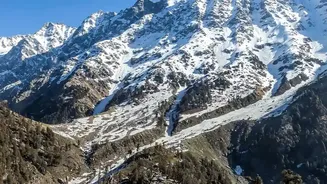
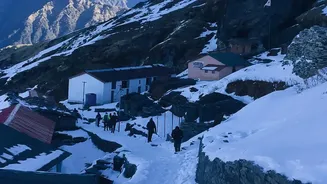
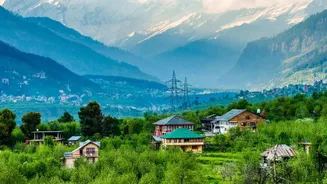
bustling crowds of popular hill stations, Uttarakhand's forest villages are quiet hamlets nestled amidst dense jungles, rolling meadows, and alpine landscapes. Places like Ghangaria, the last human settlement on the way to the Valley of Flowers, or the serene, orchard-filled expanses near Mukteshwar, offer a different kind of travel. These are not destinations with long lists of attractions, but rather experiences built on peace, nature, and a connection to local life. They are gateways to some of the region's most pristine treks, biodiversity hotspots, and breathtaking Himalayan vistas. The essence of a visit here is to slow down, breathe in the crisp mountain air, and witness the subtle, beautiful shifts of the natural world. Choosing the right season is crucial because access and enjoyment are deeply intertwined with the weather.
The Spring Awakening: March to May
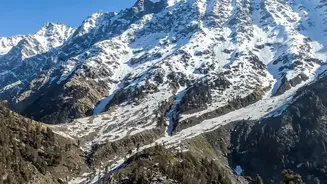
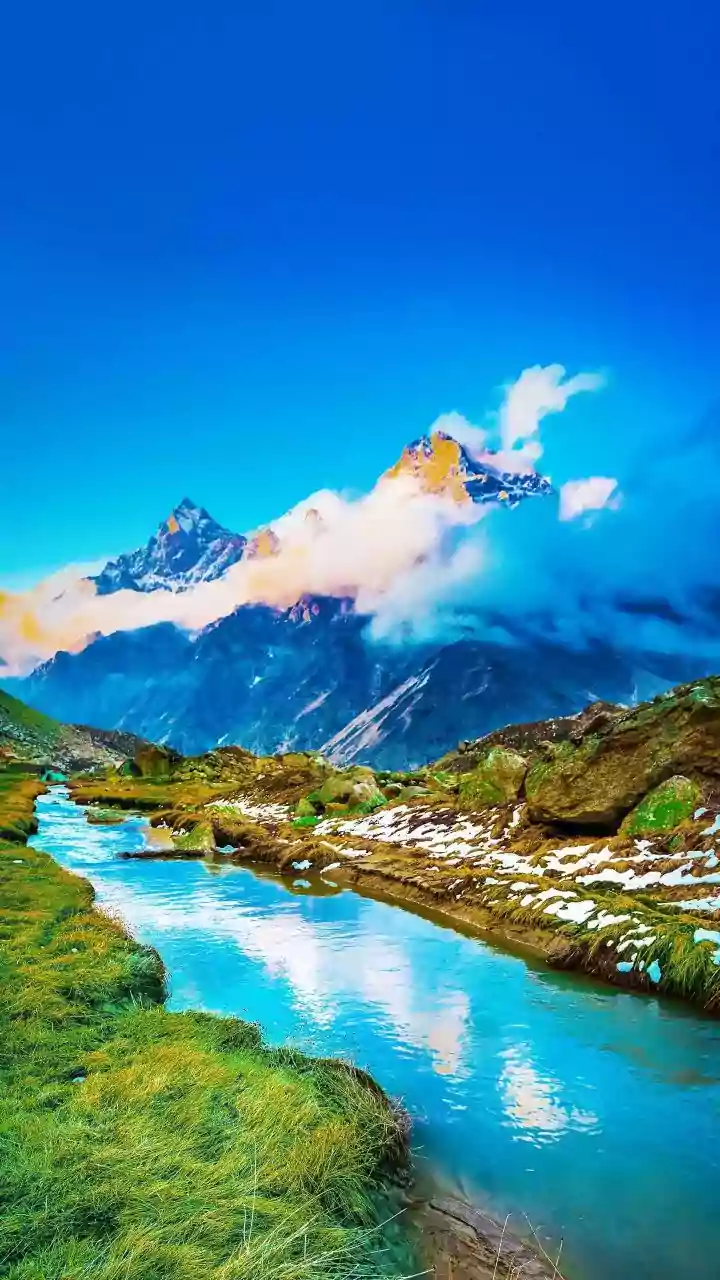
As winter's chill recedes, the forests of Uttarakhand burst into life between March and May, making it a prime time for a visit. This is the season of flowers. Entire hillsides are painted crimson with blooming rhododendrons, especially in areas like Chopta and the trails around Ranikhet. The weather is exceptionally pleasant, with comfortable daytime temperatures perfect for trekking and outdoor exploration. Many high-altitude treks that remain closed during winter, such as the Kuari Pass and Dayara Bugyal treks, become accessible again, offering a mix of manageable snow at higher reaches and vibrant greenery below. The air is clear, and the days are long, allowing for leisurely hikes, bird watching, and photography. It’s a season of revival, where melting snow feeds the streams and the landscape feels fresh and welcoming, making it ideal for both adventure seekers and those looking for a peaceful retreat.
The Autumn Glow: October to December
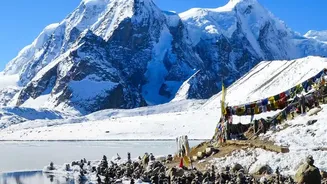
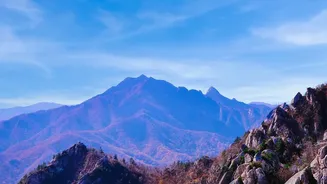
After the heavy monsoon rains wash the landscape clean, the months from October to December offer another perfect window. This period is renowned for its crystal-clear skies, providing the sharpest and most spectacular panoramic views of the high Himalayan peaks like Nanda Devi and Trishul. The weather is crisp and invigorating, with golden sunlight bathing the forests and meadows. It's considered one of the best times for trekking and photography, as the trails are dry and the visibility is unparalleled. Treks like Har Ki Dun and Kedarkantha are particularly stunning in autumn. While October and November are pleasantly cool, December marks the onset of winter. The days remain sunny, but nights become significantly colder, and higher villages like Harsil may receive their first dusting of snow, transforming into serene winter landscapes.
Seasons to Avoid: Monsoon and Deep Winter
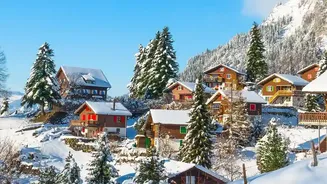
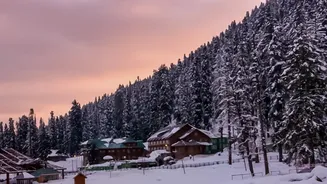
While every season has its charm, the peak monsoon (July-August) and deep winter (January-February) present significant challenges for visiting these remote villages. The monsoon brings heavy and persistent rainfall, which can lead to landslides, road blockages, and unsafe trekking conditions. Though the landscape becomes incredibly lush and green, travel can be unpredictable and risky. Conversely, the heart of winter brings heavy snowfall to higher altitude villages like Auli and Munsiyari. While this creates a beautiful snow-covered wonderland perfect for skiing, many forest villages and trekking routes become inaccessible due to closed roads and extreme cold, with temperatures often dropping well below freezing. Planning a trip during these months requires careful consideration and a flexible itinerary to navigate potential disruptions.