








What is a 'Clean Label'?
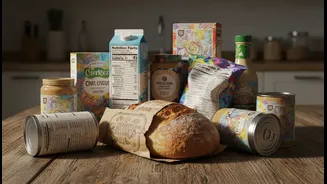
The term 'clean label' isn't a scientific or legal definition but a consumer-driven movement demanding transparency and simplicity. It reflects a preference for products with shorter, more understandable ingredient lists. Consumers associate clean labels
with foods that are free from artificial preservatives, synthetic colours, and unfamiliar chemical names. The core idea is that if you can’t recognise an ingredient or wouldn't use it in your own kitchen, it probably doesn't belong in your food. This push comes from a deeper shift in consumer behaviour, where health consciousness, digital awareness, and a growing distrust of heavily processed items are converging.
The Rise of the Conscious Consumer
Across India, especially in urban centres, a new wave of activism is taking place not on the streets, but in shopping aisles and cafes. This isn't about organised protests but the collective power of individual choices. Fuelled by greater access to information online, consumers are becoming more educated about food additives and processing techniques. Studies show a significant portion of Indian consumers now actively seek out clean-label products and are willing to pay more for them. This demand for transparency is no longer a niche trend; it's becoming a mainstream expectation, forcing companies to adapt or risk being left on the shelf.
How Cafe Chains Are Responding
For mass-market cafe chains, this movement presents a significant strategic challenge. Their business models are often built on scale, consistency, and shelf life, which can rely on the very additives that clean-label advocates reject. In response, brands are being forced to reformulate their products. This involves replacing artificial stabilisers, flavour enhancers, and preservatives with natural alternatives. The strategy extends beyond just the menu. Chains are updating their marketing to highlight natural ingredients, transparent sourcing, and simpler recipes. This shift is not just about a single product; it is an end-to-end transformation that impacts research and development, supply chain management, and on-the-ground operations.
The Operational and Cost Hurdles
Moving to a clean-label model is easier said than done. The reformulation process is a complex exercise in food science. Natural ingredients can be more sensitive to heat and processing, potentially affecting the taste, texture, and appearance of a product. Removing preservatives can also shorten shelf life, creating logistical challenges and increasing the risk of spoilage. Furthermore, sourcing high-quality natural ingredients is often more expensive and complex, especially in a fragmented agricultural system. These factors create a difficult balancing act for chains: how to meet consumer demands for purity while maintaining profitability and the consistency customers expect from a national brand.
Beyond the Label: The FSSAI Factor
While 'clean label' itself is not a legally defined term in India, the Food Safety and Standards Authority of India (FSSAI) has strict regulations around labelling and claims. Any brand wanting to claim its product is “natural” or “preservative-free” must be able to back it up with scientific evidence. The FSSAI mandates clear declaration of all ingredients, additives, allergens, and nutritional information, giving consumers the tools to make informed choices. This regulatory scrutiny means that simply using 'clean label' as a marketing buzzword is not enough; companies must genuinely reformulate products and be prepared to prove their claims.