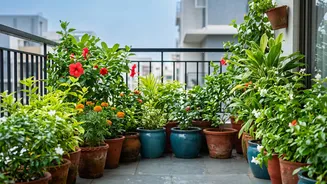







The Rise of the Rainy Season Garden
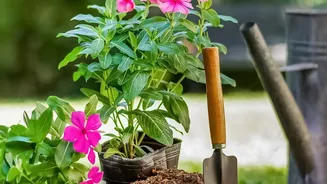
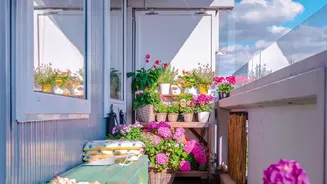
What started as a hobby for some has blossomed into a full-blown trend. Urban residents in cities like Mumbai, Bengaluru, and Delhi are increasingly transforming their balconies, terraces, and windowsills into vibrant gardens. This movement isn't just
about aesthetics; it's a response to a growing desire for a deeper connection with nature, concerns over food safety, and the therapeutic benefits of nurturing plants. The monsoon, with its high humidity, natural watering, and warm temperatures, provides the perfect conditions for many plants to thrive, making it an ideal season for novice and expert gardeners alike to get their hands dirty. This trend is part of a larger shift towards urban agriculture, where city dwellers are finding innovative ways to cultivate green spaces amidst the concrete.
Your Monsoon Balcony Bloomers
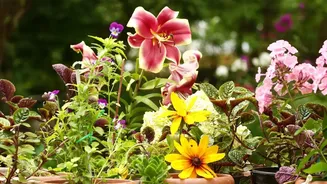
The key to a successful monsoon garden is choosing the right plants that flourish in the wet and humid conditions. Many popular flowers and herbs come alive during this season. Bright and cheerful flowers like Zinnia, Balsam (Gul-Mehandi), and Marigolds are excellent choices, adding a splash of colour. Fragrant options such as Mogra (Jasmine) also do exceptionally well. For those looking to grow edible plants, it's a great time for herbs like mint and coriander, and even some vegetables. Other monsoon favourites that are perfect for pots include Rain Lilies, which magically bloom after a downpour, hardy Hibiscus, and the unique Cockscomb (Celosia). These varieties are not only beautiful but are also relatively easy to care for in the Indian climate.
Essential Care in the Downpour
While the monsoon provides free watering, it also brings challenges. The primary risk for balcony plants is overwatering, which can lead to root rot. The golden rule is to check the soil before watering; if the top inch is still damp, hold off. Ensuring your pots have excellent drainage is critical. Make sure drainage holes are clear and consider elevating pots on bricks or stands to allow excess water to escape. High humidity can also encourage fungal diseases and pests. To combat this, ensure good air circulation by not overcrowding plants and consider a preventative spray of a natural fungicide like neem oil. It's also wise to water the soil directly and avoid getting the leaves wet, especially in the evenings, to minimise the risk of fungal growth.
More Than Just a Pretty View
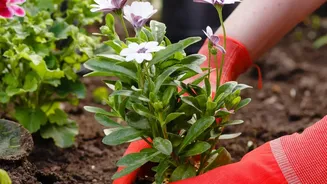
The benefits of a balcony garden extend far beyond the visual appeal. For many urbanites, gardening has become a form of therapy, a way to reduce stress and improve mental well-being in a fast-paced environment. The simple act of tending to plants provides a welcome break from screens and a tangible connection to the natural world. These green spaces also contribute to the local ecosystem by improving air quality, supporting pollinators like bees and butterflies, and helping to moderate the temperature of the home. Furthermore, it fosters a sense of community, with neighbours sharing tips, seeds, and produce, turning individual hobbies into a collective green movement.