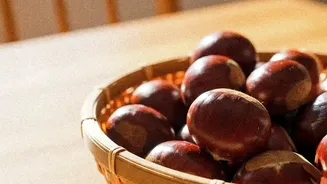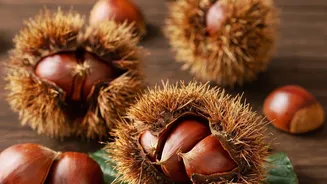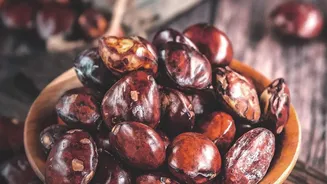

As winter's chill settles in, the familiar, comforting aroma of roasting chestnuts fills the air. But this seasonal delight is far more than just a warm snack. It's a surprisingly versatile ingredient ready to become a staple in your kitchen.
The Art of Roasting
Perfectly
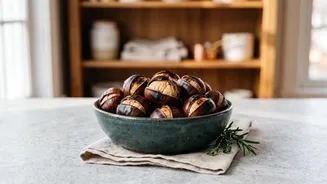
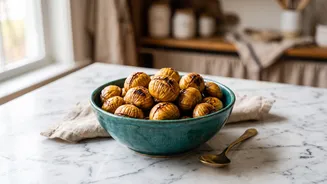
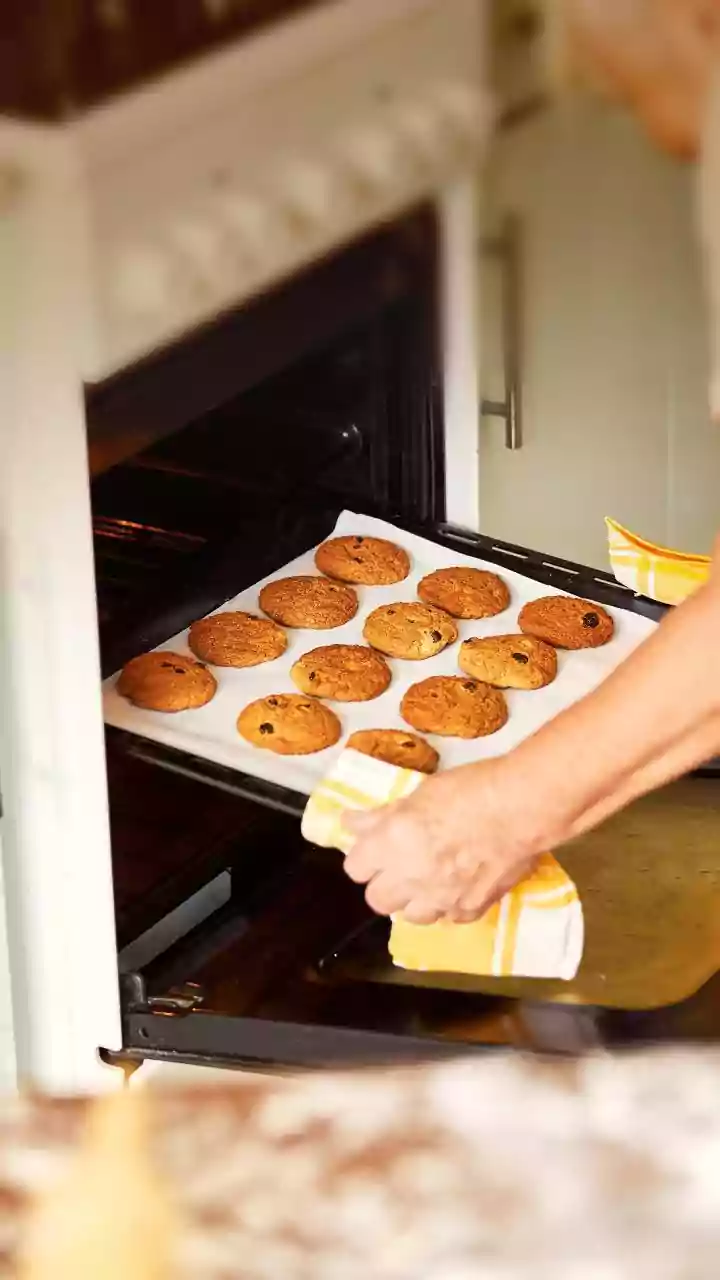
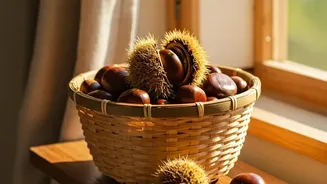
roasted chestnuts are tender, slightly sweet, and have a texture somewhere between a baked potato and a nut. Unlike other nuts, they have a high moisture content and are lower in fat. Achieving the perfect roast at home is simple. First, select firm, glossy chestnuts. Using a sharp knife, carefully score an 'X' on the rounded side of each nut. This crucial step allows steam to escape, preventing them from exploding in the oven. Though some methods suggest soaking, a popular technique is to place the scored nuts on a baking tray and roast them at around 200°C (400°F). After about 20-30 minutes, the shells will begin to peel back. Once you remove them from the oven, wrap them in a clean towel for about 10 minutes; the trapped steam makes them easier to peel. It's best to peel them while they are still warm, removing both the hard outer shell and the thin, papery skin underneath.
Beyond the Simple Snack
Once peeled, chestnuts can be used in a surprising number of dishes, adding a mild, earthy sweetness and a soft, satisfying texture. Their starchy quality allows them to be treated almost like a vegetable, working well in both savoury and sweet recipes. Whether you chop them, purée them, or use them whole, they bring a unique wintery depth to meals. Ready-to-eat vacuum-packed chestnuts are also a great time-saving option for busy cooks.
Enrich Your Soups and Stews
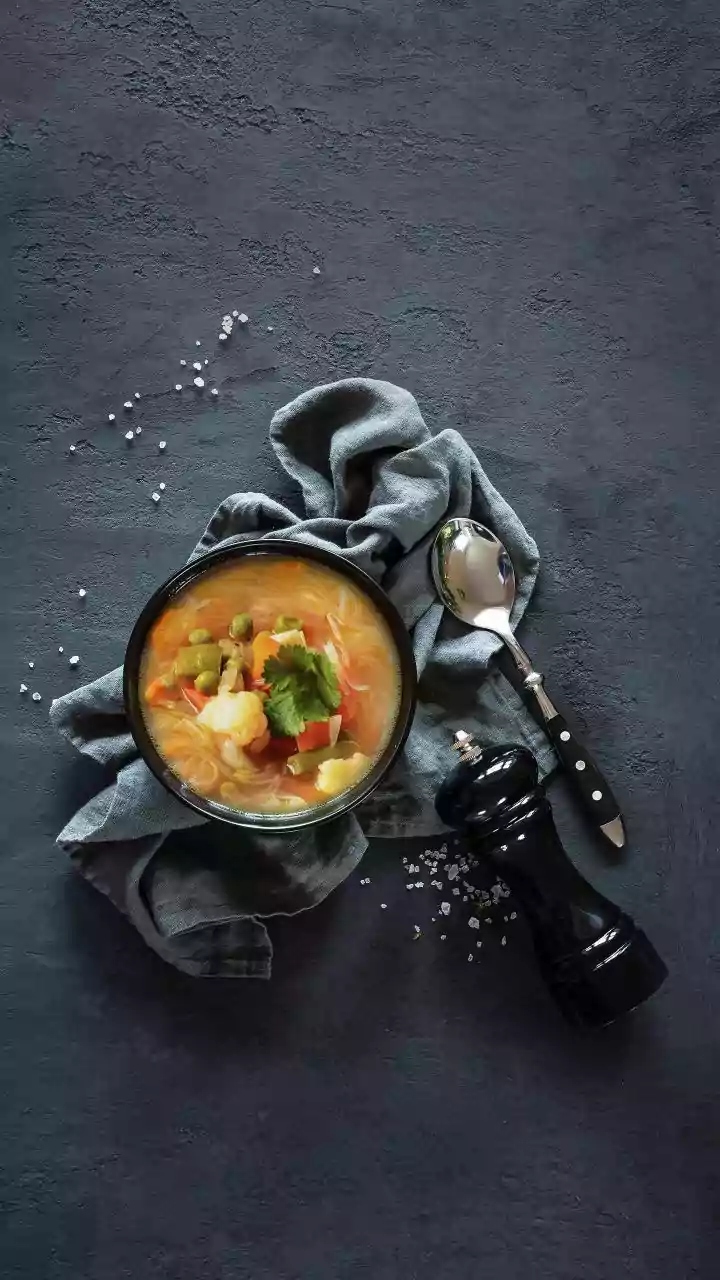
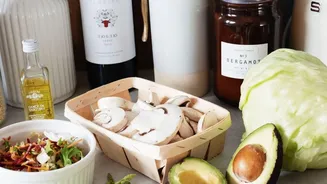
One of the easiest ways to use roasted chestnuts is to chop them roughly and scatter them over a warm bowl of soup just before serving. They pair beautifully with earthy flavours like mushroom, squash, or Jerusalem artichoke. For a richer, creamier texture, you can also purée cooked chestnuts directly into your soup base. In stews, adding chestnuts in the last 20 minutes of cooking allows them to absorb the flavour of the gravy without becoming overly soft.
Elevate Salads and Grain Bowls
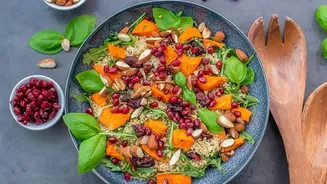
For a delightful textural contrast, toss chopped chestnuts into your favourite salads. They work especially well with winter greens like kale, along with sharp cheeses and a bright vinaigrette. You can also stir them into rice dishes, pilafs, or quinoa bowls to make a simple meal feel more special and seasonal. Their soft bite is a welcome alternative to crunchier nuts in these preparations.
A Foundation for Stuffing and Sides
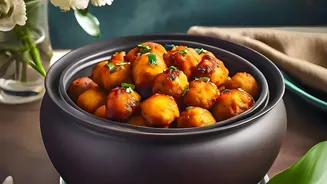
Chestnuts are a classic ingredient in holiday stuffings for a reason. Their texture complements bread, herbs, and onions perfectly. Simply fold chopped chestnuts into your usual stuffing mixture before baking for an instant upgrade. Beyond stuffing, boiled or braised chestnuts can be served as a simple side dish. Douse them in melted butter with herbs like sage or rosemary for an elegant accompaniment to roasted meats or vegetable centrepieces.
Surprising Sweets and Flour
The mild sweetness of chestnuts makes them a natural fit for desserts. A classic French application is 'Mont Blanc', a dessert made from a purée of sweetened chestnuts and cream. They can also be candied to make 'marrons glacés' or simply chopped and folded into cake batter or cookie dough. For those who are gluten-free, chestnuts can be dried and milled into flour, which can then be used to make everything from pasta and crêpes to rich, dense cakes.