


The Underrated Power of Acidity
Professional chefs and seasoned home cooks know that great cooking is all about balance. We think about salt, fat, and sweetness, but the secret weapon that ties everything together is often acid. Acid cuts through richness, brightens flavours, and prevents
a dish from feeling heavy or one-dimensional on the palate. Think of a squeeze of lemon over grilled fish or a splash of vinegar in a hearty stew. Pickled elements are a fantastic and complex source of this acidity. Through the process of pickling in a vinegar-based brine, vegetables and fruits are transformed, taking on a tangy, sharp flavour that can lift an entire dish. Using them sparingly is key; the goal isn't to make the whole dish taste like pickles, but to introduce a moment of sharp, delicious contrast that makes every other flavour pop.
Beyond the Cucumber
When we hear “pickle,” most of us picture a jar of pickled cucumbers. But the world of pickled elements is vast and exciting. Think of them as a category of ingredient, not just a single item. Finely chopped pickled red onions add a sweet, tangy crunch to tacos, burgers, and salads. Salty, briny capers can elevate a simple pasta dish or chicken piccata. Pickled carrots or radishes bring a vibrant, crunchy element to grain bowls and sandwiches. Even the brine itself is liquid gold; it can be used in marinades to tenderise meat, or shaken into a vinaigrette for a flavourful punch. Exploring these different elements—from pickled jalapeños on pizza to pickled ginger with rice—opens up a huge range of flavour possibilities in your everyday cooking.
Finding the Perfect Balance
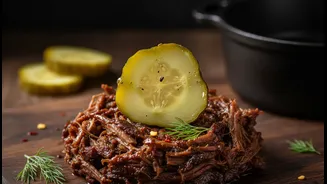
The headline's advice to use these elements "sparingly" is crucial. Too much acid can easily overwhelm a dish. The trick is to add a little, taste, and adjust. Think of it as a finishing touch. A rich, fatty dish like pulled pork or a creamy potato salad can handle a more generous serving of pickled onions or chopped dill pickles to cut through the richness. For a lighter dish, like a green salad or a piece of fish, you might only need a few slivers of pickled fennel or a couple of capers. The goal is to create momentum in each bite—a journey from rich to bright and back again. This contrast keeps your palate engaged and makes the meal more satisfying. If a dish tastes heavy, a little acidity can make it feel lighter; if it tastes bland, a pickled element can make it sing.
Simple Ways to Start
You don't need to be an expert canner to get started. Many delicious applications use store-bought pickles. Try adding a spoonful of finely chopped pickled jalapeños to your next grilled cheese or mixing some chopped cornichons into a creamy dip. Brighten up a bowl of fried rice with some pickled carrots or radishes. Another fantastic entry point is making your own “quick pickles.” Simply slice a vegetable thinly (red onions are a classic for a reason), place it in a jar, and pour over a warm brine of vinegar, water, salt, and a little sugar. They can be ready in a few hours or the next day and offer a crisp, fresh tang that is incredibly versatile.