


Beyond the Usual Suspects
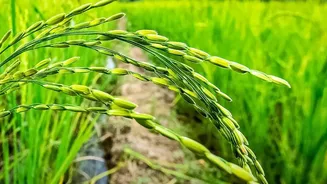
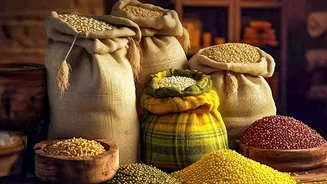
For generations, Indian meals have centred around rice, but the options have often seemed limited to a handful of popular commercial types. However, India was once home to an estimated 100,000 distinct rice varieties, each adapted to a specific landscape,
climate, and culture. The Green Revolution in the 1960s, while increasing food production, led to a focus on high-yield hybrid varieties, causing a dramatic loss of this incredible biodiversity. Today, a powerful counter-movement is gaining momentum. Driven by farmers, chefs, conservationists, and increasingly, conscious consumers, this revival is bringing forgotten grains with unique names, flavours, and properties back into circulation.
A Prescription for Health
A primary driver of this trend is a growing focus on health and wellness. Unlike highly polished white rice, many traditional varieties are nutritional powerhouses. Pigmented varieties like the black ‘Karuppu Kavuni’ from Tamil Nadu or red rice are rich in antioxidants, which can help combat inflammation and chronic diseases. Many of these heirloom grains also boast a higher fibre content, aiding digestion and promoting heart health. For those managing blood sugar levels, varieties like ‘Navara’ from Kerala or ‘Mapillai Samba’ have a lower glycemic index, releasing energy more slowly and preventing sharp spikes in glucose. As modern science validates these age-old benefits, consumers are looking beyond empty calories for genuine nourishment.
The Flavour of a Place
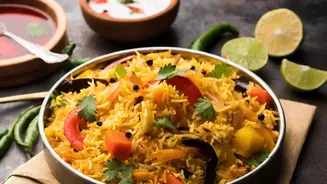
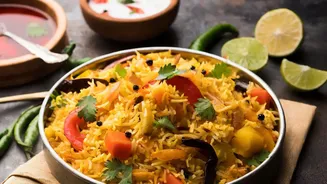
Chefs and food enthusiasts are embracing regional rice for its superior taste and texture, which commodity rice often lacks. These grains offer a sense of 'terroir'—their flavour is a direct reflection of the soil and climate they grew in. West Bengal’s ‘Gobindobhog’ is prized for its buttery flavour and natural aroma, making it perfect for kheer and khichdi. Kerala’s fragrant, small-grained ‘Jeerakasala’ is the traditional choice for making an authentic Malabar biryani. The robust, earthy flavour of Kerala's Matta rice stands up perfectly to spicy curries. This culinary diversity allows for a more authentic and richer experience of India's regional cuisines, moving beyond one-size-fits-all grains.
Good for the Planet and the Farmer
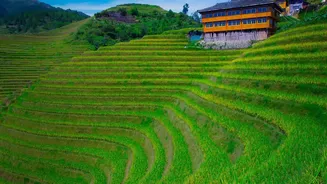
The revival of indigenous rice is not just a culinary trend; it's a step towards a more sustainable agricultural future. Having evolved over centuries, these native seeds are naturally resilient and well-adapted to local conditions. Many varieties are inherently tolerant of droughts, floods, or soil salinity, making them a vital resource in an era of climate change. For instance, Kerala’s ‘Pokkali’ rice can withstand saltwater intrusion, a growing problem in coastal areas. Furthermore, these grains often thrive with fewer chemical inputs like pesticides and fertilisers, reducing costs for small farmers and promoting healthier ecosystems. By fetching a premium in niche markets, these heritage varieties can offer farmers better economic returns and reduce their dependence on multinational seed companies.
Reclaiming a Lost Heritage
This renewed interest is also about cultural preservation. Each grain carries a story—of a place, a community, and a way of life. Efforts by organisations and state governments, such as Tamil Nadu's Mission to promote heritage rice, are helping to conserve this genetic wealth for future generations. Farmers are creating seed banks, and community networks are sharing knowledge to bring near-extinct varieties back from the brink. This movement ensures that the agricultural biodiversity built by generations of farmers is not lost forever, but instead becomes a living part of India's food landscape once again.