



1. The Power of a Single Painted Wall
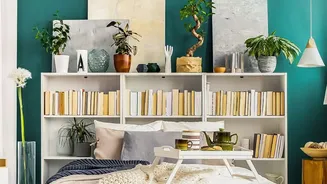
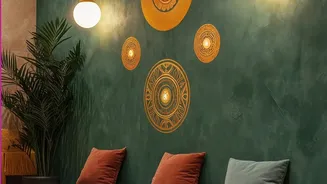
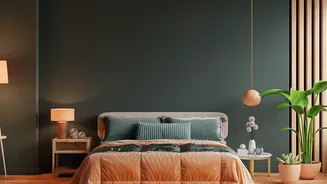
The simplest and most classic approach to an accent wall is with a can of paint. Choosing a bold, contrasting colour for one wall can dramatically alter the mood of a room. Deep navy, charcoal grey, or rich emerald green can create a sense of sophisticated
drama, making furniture and artwork pop. For a softer approach, you can select a colour that is just two shades deeper than the other walls, creating a subtle, modern distinction that adds depth without overwhelming the space. This method is cost-effective, easy to execute over a weekend, and completely reversible, making it the perfect starting point for those hesitant to try a bolder look.
2. Expressive Patterns with Wallpaper
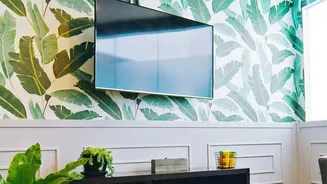
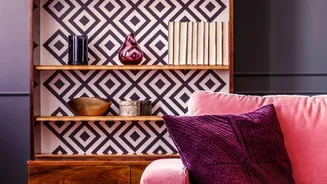
Wallpaper offers a world of personality that paint alone cannot. From subtle grasscloth textures that add warmth and dimension to bold geometric or floral prints that act as a piece of large-scale art, wallpaper makes a definitive statement. It is particularly effective in living rooms behind a sofa or in a bedroom behind the headboard, creating an instant focal point. For those in rental homes or who fear long-term commitment, peel-and-stick wallpaper is a game-changer, offering the same visual impact with the ability to be removed cleanly when you're ready for a change.
3. Modern Rustic with Wood Panelling
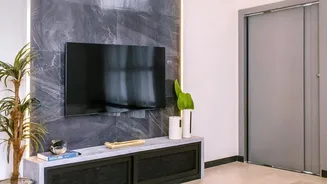
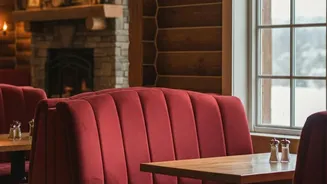
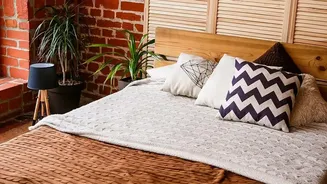
Adding wood to a wall introduces natural texture and warmth, instantly making a space feel more inviting. Vertical wood slats are a popular contemporary choice, drawing the eye upward and making ceilings feel higher. Horizontal shiplap lends a relaxed, farmhouse feel, while more intricate patterns like herringbone create a sense of timeless elegance. You can leave the wood in its natural state to celebrate its grain or paint it the same colour as the wall for a more subtle, textural effect. This approach works well to add character to modern, builder-grade homes.
4. Sophistication Through Wall Moulding
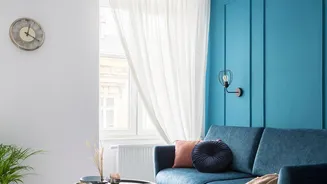
For a touch of architectural elegance, nothing beats decorative wall moulding. Techniques like board and batten, which uses simple vertical battens to create a grid, can add a clean, traditional feel. Picture frame moulding adds a classic, sophisticated dimension, turning a plain wall into a feature of its own. Typically, the moulding and the wall are painted in the same colour, often a deep, saturated hue, which allows the shadows and highlights of the trim to create the visual interest. It’s a way to add a high-end, custom look without major structural changes.
5. A Closer Reading: Brick Veneer for Texture
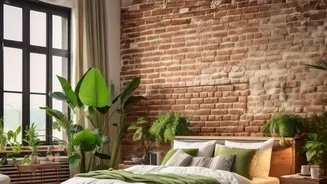
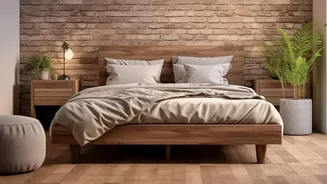
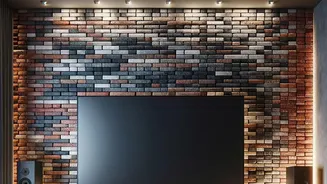
For those craving texture and character, a brick wall is a timeless choice that suits industrial, rustic, and even contemporary design styles. However, a full brick wall is heavy and impractical for most interior renovations. This is where brick veneer comes in. Brick veneer consists of thin slices of real or manufactured brick, designed to be applied to a wall surface like tile. The result is the authentic look and feel of brick without the immense weight and structural requirements.One of the biggest advantages of brick veneer is its versatility. It can be used to create a cosy fireplace surround, a rustic kitchen backsplash, or a striking feature wall in a living room or bedroom. Available in a wide range of colours, from traditional reds to whitewashed finishes and modern greys, it can be adapted to almost any aesthetic. Faux brick panels, often made from lightweight materials, are also an option for an even easier DIY installation.While installation is more complex than painting, it is manageable for an experienced DIYer. The thin bricks are applied to the wall with mortar or adhesive, and the joints are then filled, a process known as pointing. The cost is higher than paint or wallpaper, but it adds significant value and a durable, lasting finish. It provides the texture, warmth, and historic character of brick in a practical, accessible format.