
Garam Masala: The Heart of Indian Cooking
Perhaps the most famous spice blend to come out of India, Garam Masala translates to 'hot spices'. This doesn't necessarily mean chilli heat, but rather refers to the Ayurvedic concept of warming the body. Recipes are famously varied, passed down through
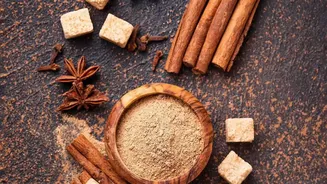
families and differing from region to region. However, the core components almost always include cinnamon and cardamom, alongside cloves, cumin, coriander, and black pepper. The cinnamon provides a sweet, woody base, while cardamom adds a fragrant, slightly sweet and complex layer. Garam Masala is incredibly versatile, often added at the end of cooking to preserve its potent aroma. It's the soul of everything from rich curries and lentil dals to marinades for roasted meats.
Chai Masala: The Quintessential Spiced Tea
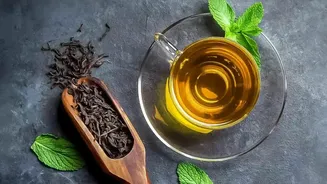
Nothing says comfort quite like a cup of masala chai. The spice mix that gives this iconic beverage its character is a celebration of the cinnamon and cardamom pairing. While every household has its own secret formula, the essential blend features cinnamon, green cardamom, cloves, black peppercorns, and fresh ginger. The cinnamon stick imparts a gentle sweetness that balances the tea's bitterness, while crushed cardamom pods release their intensely aromatic oils, creating a fragrant and uplifting brew. The spices are typically simmered with black tea, milk, and sugar, allowing the flavours to fully infuse. This blend transforms a simple cup of tea into a complex and soothing experience, a daily ritual for millions.
Baharat: The Middle East's All-Purpose Blend
Meaning 'spices' in Arabic, Baharat is a foundational blend used across the Middle East, with regional variations from Turkey to the Levant. Like Garam Masala, it is a warming blend, but it often has a more earthy and savoury profile. A common version includes black pepper, cumin, coriander, cloves, nutmeg, paprika, and, of course, cinnamon and cardamom. Here, cinnamon contributes a subtle sweetness that complements roasted and grilled meats, while cardamom provides a fragrant lift. Baharat is a true all-purpose seasoning, used as a rub for lamb and chicken, stirred into lentil soups and rice pilafs, or even mixed with olive oil as a marinade.
Advieh: The Fragrant Soul of Persia
Persian cuisine is known for its delicate and aromatic flavours, and Advieh is the perfect embodiment of this. The name simply means 'spice mix', and there are different versions for rice, stews, and pickles. A common blend for rice (Advieh-e Berenj) features cinnamon, cardamom, cumin, and dried rose petals. The combination of warm cinnamon and floral cardamom is central to its identity, creating a sophisticated and fragrant profile that is uniquely Persian. It is often sprinkled over steamed rice just before serving, infusing the dish with a beautiful aroma. This blend highlights how cinnamon and cardamom can create a sense of luxury and elegance in a dish without overwhelming it.
Hawaij: Yemen's Gift to Coffee
While many spice blends are for savoury food, Hawaij is a sweet, aromatic mix from Yemen traditionally stirred into coffee. The name also means 'mixture' and it comes in two forms: one for savoury soups and another for coffee and desserts. The coffee blend prominently features cardamom and ginger, with cinnamon and cloves adding warmth and depth. When added to coffee grounds before brewing or stirred into a finished cup, Hawaij transforms the beverage into a fragrant, spiced experience reminiscent of a chai latte but with a distinct coffee kick. This blend showcases the versatility of cinnamon and cardamom, proving they are just as at home in a morning coffee as they are in a hearty stew.