








Why Your Nose Knows It's Raining
The primary culprit behind stronger smells during the monsoon is increased humidity. When the air is saturated with water vapour, odour molecules, which are often organic compounds, have more to latch onto. This humid, heavy air traps smells, preventing
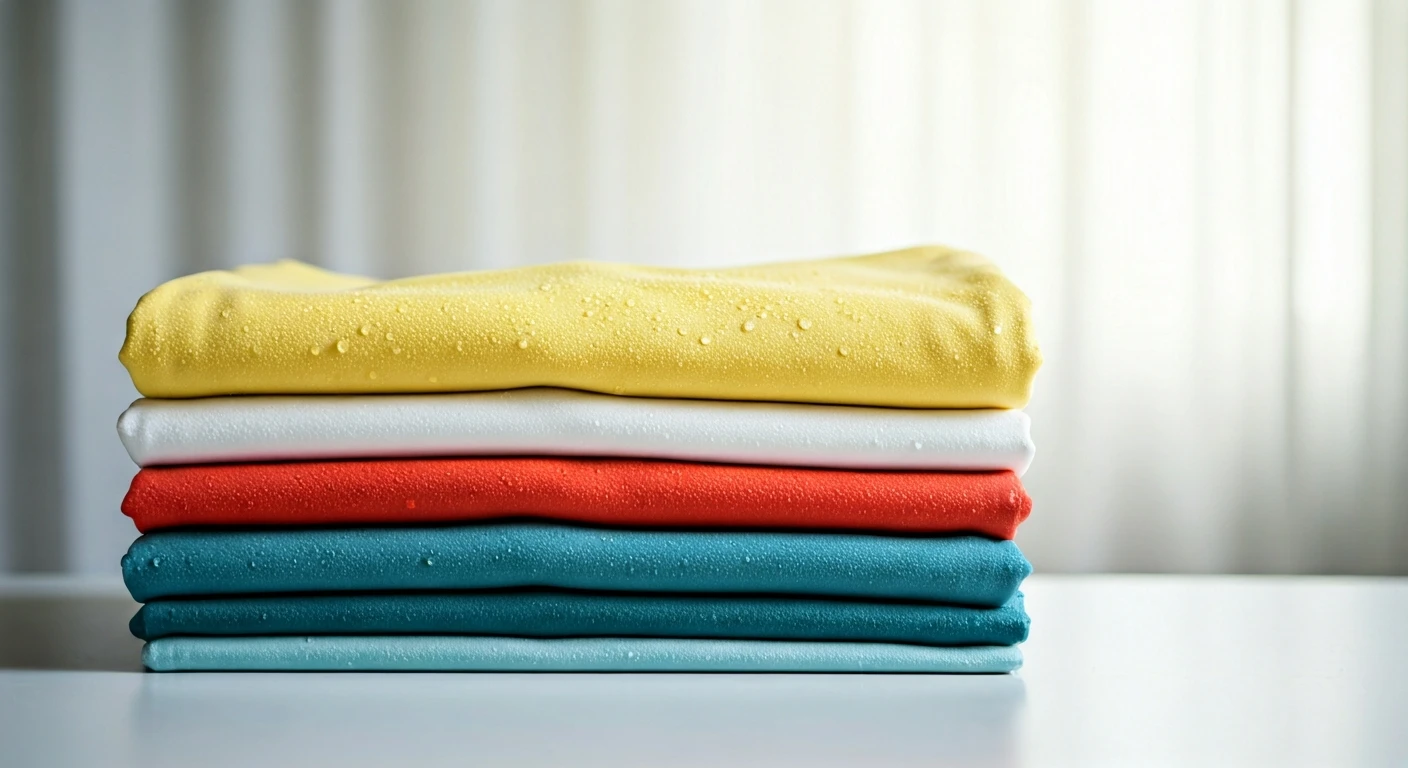
them from dissipating and making them linger longer and seem more intense. Furthermore, the damp conditions are a perfect breeding ground for mould and mildew, which release their own distinct musty odours. This combination of trapped smells and new fungal growth is why everything from the garbage bin to damp laundry suddenly seems much more pungent.
Winning the War in Your Wardrobe
One of the biggest monsoon challenges is keeping clothes and cupboards from smelling stale. Damp laundry is a major source of musty smells. Ensure clothes are completely dry before storing them; if needed, iron them lightly to remove any residual moisture. To protect your closets, avoid overpacking them to allow for air circulation. Place natural moisture absorbers like silica gel packets, chalk, or small pouches of baking soda on shelves. Traditional Indian remedies like placing camphor or dried neem leaves in corners are also highly effective at absorbing moisture, repelling insects, and neutralising odours.
Keeping the Kitchen and Bathroom Fresh
Kitchens and bathrooms are hotspots for unpleasant smells, especially when it's damp. Make it a habit to take out the kitchen garbage daily. Sprinkling a layer of baking soda at the bottom of the bin before putting in a new bag can help absorb odours. Drains can also become a major issue. To keep them clear and fresh, regularly flush them with hot water. For a more powerful, natural clean, pour half a cup of baking soda down the drain, followed by half a cup of white vinegar. Let it fizz for about 30 minutes before flushing with hot water. This chemical reaction helps break down grime and neutralise smells effectively.
Ventilation Is Your Best Defence
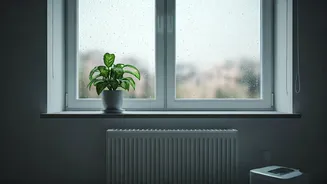
Trapped air is a primary cause of lingering odours. While it might seem counterintuitive to open windows during the rains, it's crucial for ventilation. Take advantage of any break in the downpour to open windows and doors, creating cross-ventilation to push out stale, humid air. Use exhaust fans in kitchens and bathrooms for longer than usual after cooking or showering to expel moisture-laden air. If certain areas remain persistently damp, a dehumidifier can be a worthwhile investment to actively pull moisture from the air and prevent mould growth.
Natural Solutions for a Fragrant Home
Instead of relying on chemical air fresheners that often just mask smells, turn to natural alternatives. Placing bowls of white vinegar or activated charcoal in rooms can help absorb musty odours. Essential oil diffusers using scents like lemongrass, eucalyptus, or tea tree oil can purify the air with their natural antibacterial properties. You can also simmer spices like cinnamon and cloves in water on the stove for a warm, inviting aroma. Some indoor plants, such as peace lilies and ferns, are also known to help absorb moisture from the air, contributing to a fresher indoor environment.
Tackling Carpets and Footwear
Carpets, rugs, and shoes are notorious for trapping moisture and odours. If possible, it's best to roll up and store carpets during the peak monsoon season. If you can't, sprinkle baking soda liberally on them, let it sit for at least 30 minutes, and then vacuum thoroughly to absorb smells. For wet shoes, stuff them with old newspaper, which is excellent at drawing out moisture. Placing them in a well-ventilated area to dry completely is crucial before wearing them again to prevent the growth of smelly bacteria.