






India's Widespread Vitamin D Problem
Despite abundant sunshine, an estimated 70-100% of the Indian population suffers from Vitamin D deficiency. This silent epidemic affects all ages, from children to the elderly, across both urban and rural areas. Factors like indoor lifestyles, pollution
that blocks UVB rays, darker skin pigmentation which reduces vitamin D production, and limited dietary sources are major contributors. This deficiency is a serious health concern, linked to weak bones, rickets in children, osteomalacia in adults, and a compromised immune system. While sunlight is the primary source, it's often not enough, making diet a critical component of the solution.
The Role of Fortified Dairy
For many Indian households, dairy products like milk and curd are daily staples. Food fortification, the process of adding essential micronutrients to foods, has turned these everyday items into powerful tools against deficiency. The Food Safety and Standards Authority of India (FSSAI) has set standards for fortifying milk with Vitamin D. Major dairy brands in India now offer fortified milk, which typically provides a significant portion of the daily recommended intake. Fortified milk and yogurt are excellent choices because they also provide calcium, which works with Vitamin D to ensure strong bones. When shopping, look for the '+F' logo on the packaging, which signifies that the product meets FSSAI's fortification standards.
Exploring Plant-Based Options
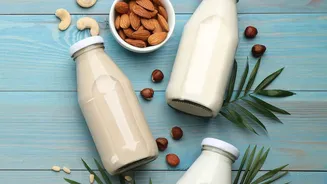
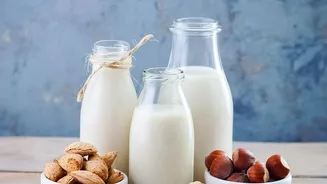
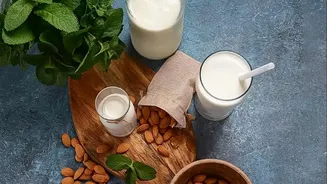
For those following a vegan diet or who are lactose intolerant, there are growing options for getting Vitamin D. The most reliable plant-based sources are fortified foods. Many plant-based milks, such as soy, almond, and oat milk, are now fortified with Vitamin D to offer a nutritional profile closer to dairy milk. However, fortification is not universal, so it is crucial to read the nutrition label to confirm. Beyond fortified milks, some brands of tofu and breakfast cereals are also enriched with Vitamin D. These products make it easier for individuals on plant-based diets to meet their nutritional requirements.
Are There Natural Plant Sources?
While most natural sources of Vitamin D are animal-based (like fatty fish and egg yolks), there is one notable exception in the plant kingdom: mushrooms. Mushrooms have the unique ability to produce Vitamin D2 when exposed to ultraviolet (UV) light, much like human skin produces Vitamin D3 from sunlight. Some commercially grown mushrooms are treated with UV light to boost their vitamin content, providing a substantial amount of the nutrient. You can even increase the Vitamin D levels in regular mushrooms yourself by leaving them in direct midday sun for 15-60 minutes before cooking.
How to Make Smart Choices
Navigating the grocery store to find Vitamin D-rich foods requires a bit of detective work. Always check the nutrition information panel on food packaging. Look for 'Vitamin D' listed and check the amount per serving. In India, the recommended daily intake for most adults is 600 IU (International Units). When choosing between products, whether it's cow's milk or almond milk, compare the labels to see which offers a better dose of Vitamin D. Combining these fortified foods with sensible, brief sun exposure and other natural sources like egg yolks (for non-vegetarians) can form a robust strategy for maintaining healthy Vitamin D levels.