

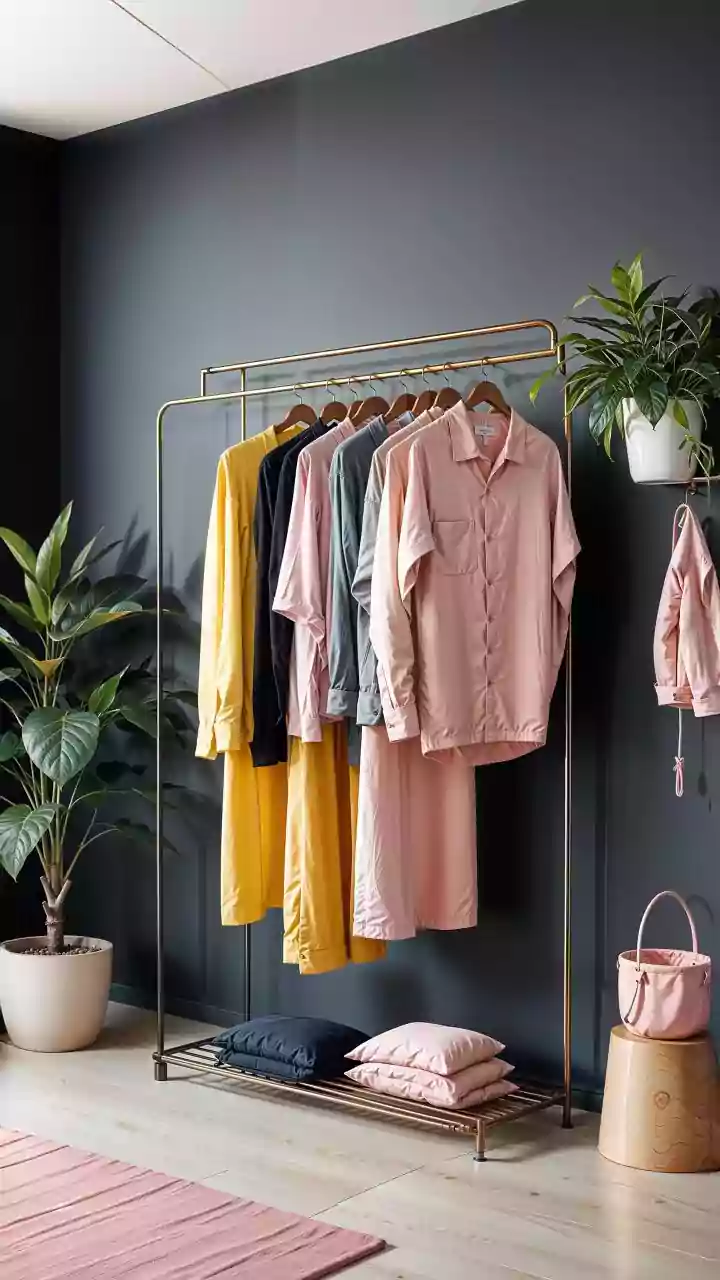
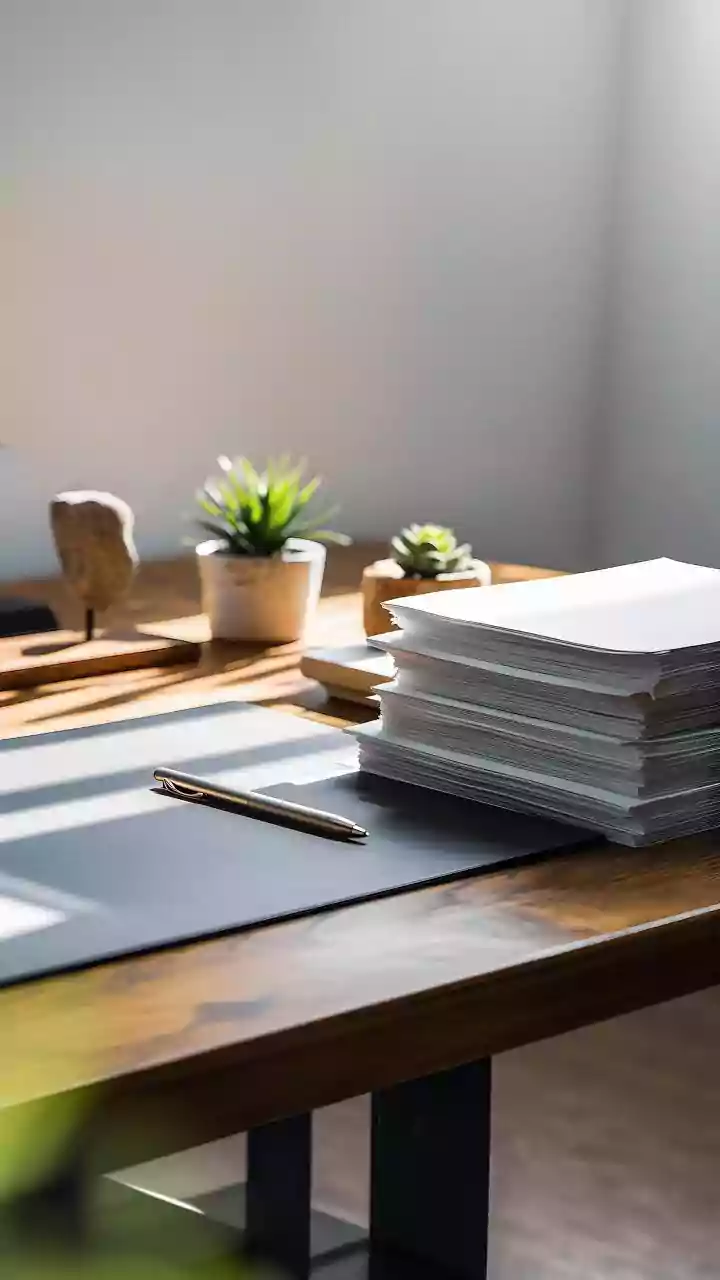

Create Your 'Drop Zones'
Think about the first things you do when you walk through the door. Where do your keys, bag, and mail end up? Instead of letting them pile up on the nearest surface, create an intentional 'drop zone'. This could be a narrow console table with a bowl for
keys, a wall-mounted hook for your bag, and a simple tray for mail. The goal is to create a home for items involved in your daily rituals, placing storage exactly where the action happens. This prevents clutter from starting and makes leaving the house just as efficient.
The Two-Movement Rule
For items you use every day, accessibility is paramount. Adopt a 'two-movement rule': you should be able to access any daily-use item in one or two simple movements. This means your favourite coffee mug shouldn't be hidden behind three other mugs. It might involve decanting cooking oils into countertop bottles or using open shelving for your most-used dishes. This principle forces you to rethink how you stack and hide things. Frequently used items deserve prime real estate that is easy to reach, ideally between your waist and shoulder height for optimal ergonomics.
Use Vertical Space Wisely
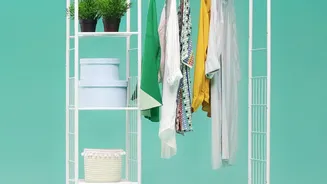
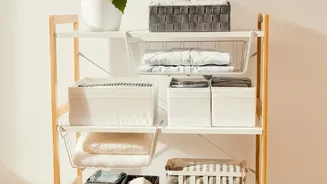
Going vertical is a classic small-space tip, but it must be done with daily actions in mind. Using tall, slender shelving units can maximize storage without eating up precious floor space. However, the highest and lowest shelves should be reserved for seasonal or rarely used items. The middle shelves, within your easy reach zone, are for the things you grab often. Consider ladder shelves or wall-mounted cabinets that keep floors clear, creating an illusion of more space while providing practical, accessible storage for daily essentials.
Furniture That Works Overtime
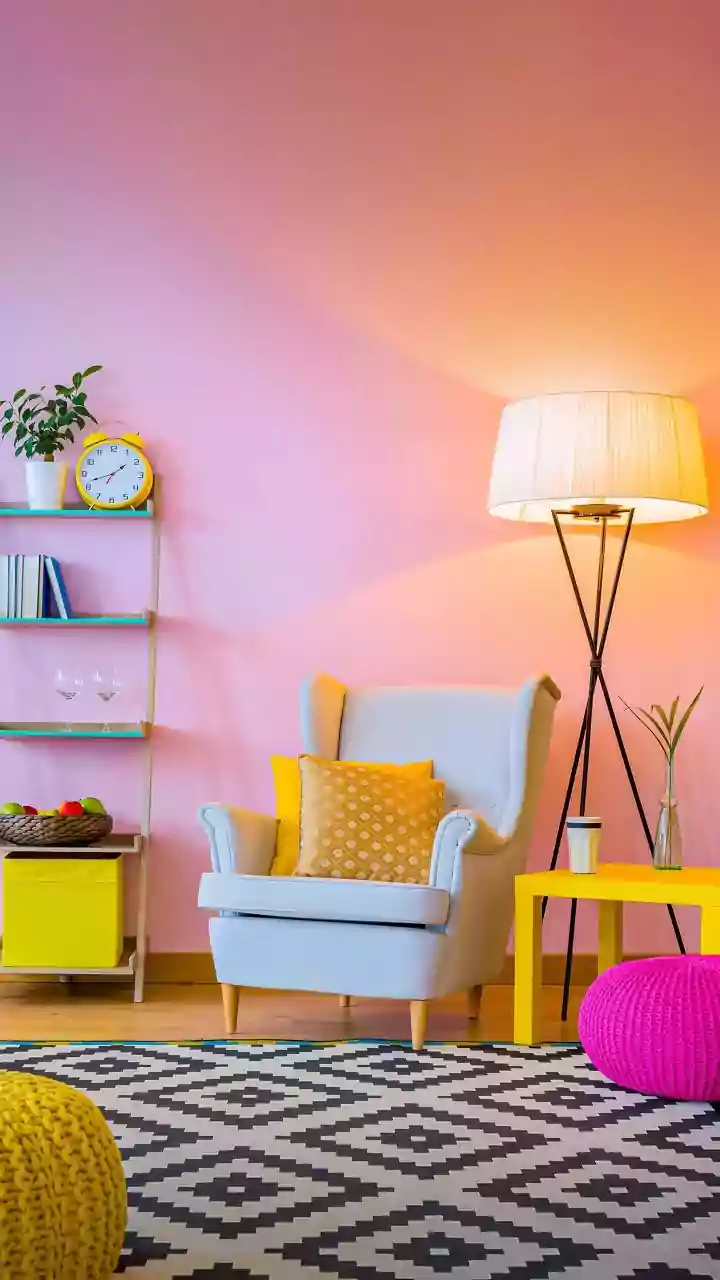
In a small home, every piece of furniture should earn its keep. Opt for multi-functional items that incorporate storage for daily actions. A lift-top coffee table can hide remotes and chargers while providing a work surface. An ottoman with built-in storage can hold blankets for your evening routine. A bench in the entryway can offer a place to sit and put on shoes, with storage underneath for those very shoes. These pieces aren't just about hiding clutter; they are about integrating storage into the flow of your daily life.
Rethink Your Kitchen Choreography
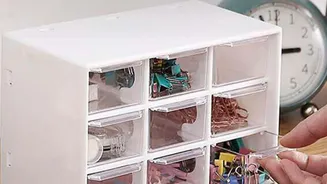
The kitchen is a hub of repeated daily actions. Organize it like a professional chef by creating stations. Group coffee, mugs, and sugar together. Keep cooking oils, spices, and utensils next to the stove. Using cabinet organizers, shelf expanders, and clear, uniform containers for pantry staples can make it easier to see what you have and grab what you need quickly. By storing items based on their function and frequency of use, you reduce friction and make everyday tasks like preparing breakfast or dinner feel effortless and more enjoyable.