








On the Roads: Gridlock, Potholes, and Landslides
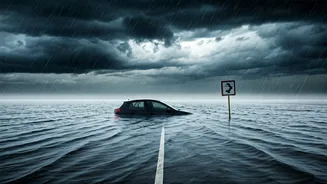
For road users, the monsoon's impact is immediate and widespread. In cities like Mumbai, Delhi, and Chennai, even moderate rainfall can overwhelm outdated drainage systems, leading to severe waterlogging. [14, 15] Low-lying areas and crucial underpasses
can become impassable, turning major arterial roads into gridlocked parking lots and forcing commuters to wade through knee-deep water. [5, 12, 19] The consistent rain also exacerbates the poor condition of many roads, widening cracks and creating dangerous potholes that can damage vehicles and cause accidents. [17] Beyond the cities, the monsoon poses a grave threat to highway connectivity, particularly in hilly regions. Heavy rainfall saturates the soil on steep slopes, triggering landslides that can block major national highways for days, cutting off entire regions and severely hampering the movement of essential goods. [16, 21] This combination of urban flooding and highway blockages can increase transportation time by up to 40% and raise logistics costs by around 15%, affecting everything from daily commutes to national supply chains. [10]
On the Rails: Submerged Tracks and Cascading Delays
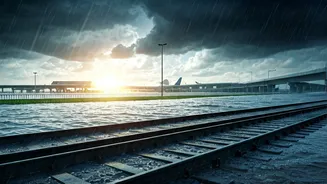
The Indian Railways network, the lifeline for millions, is highly vulnerable to monsoon conditions. The most common issue is the submerging of railway tracks in low-lying areas, which forces trains to operate at significantly reduced speeds or be suspended altogether. [14] Recent events in Mumbai showed how heavy overnight rain can lead to the cancellation of dozens of local train services and cause system-wide delays of 20 minutes or more, creating massive overcrowding at stations. [3, 6] In some cases, excessive water flow can cause the soil and ballast beneath the tracks to cave in, making the line unsafe and requiring immediate, emergency repairs. [9, 11, 12] These initial disruptions have a cascading effect across the network, delaying long-distance trains and leaving passengers stranded for hours. [3] The sheer scale of the rail network means that a problem in one area can ripple outwards, affecting schedules hundreds of kilometres away.
In the Skies: Low Visibility and Turbulent Conditions
Air travel is not immune to the monsoon's fury. Heavy rainfall, thunderstorms, and strong crosswinds create challenging conditions for pilots and air traffic controllers. [4] The primary issue is reduced visibility, which can make take-offs and landings unsafe, leading to significant flight delays. [2, 4] During intense spells, airports may be forced to suspend operations entirely, resulting in widespread cancellations and diversions to other cities. [5, 8] Airports in coastal cities like Mumbai, Goa, and Kochi are particularly susceptible, with weather-related delays increasing by up to 40% during the monsoon months. [2, 7] Airlines often have to build extra fuel into their flight plans to account for the possibility of circling in the air while waiting for a safe landing window, which increases operational costs. [4] While flying during the monsoon is safe due to stringent regulations and modern aircraft technology, passengers should anticipate a higher probability of disruption and plan for potential delays. [7]
Across the Waters: Rough Seas and Port Disruptions
While less discussed, the monsoon also significantly affects water transport. The season is characterized by strong winds, high waves, and powerful currents, especially along India's west coast. [18] These conditions make the seas hazardous for smaller vessels, often bringing coastal ferry services and fishing operations to a standstill. Even large commercial shipping is impacted. [25] Ports may impose restrictions, such as limiting the draft of vessels or suspending certain movements during periods of particularly foul weather to ensure safety. [13] For instance, Mumbai Port authorities often close storm gates during high tide and do not permit the movement of 'cold' or dumb barges during the peak monsoon months from June to September. [13] Heavy swells can make it difficult for ships to berth and can also cause cargo to shift in the holds, posing a risk to both the vessel and its contents. [18] These operational adjustments, while necessary for safety, can slow down port turnaround times and disrupt maritime trade schedules. [13, 26]