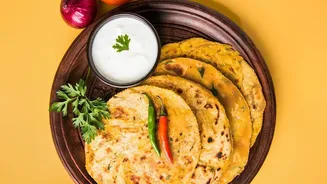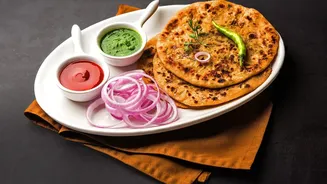




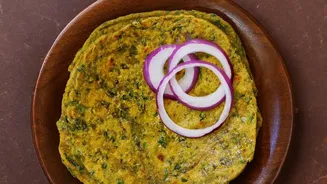


As winter mornings arrive, our cravings turn to warm, comforting, and nourishing breakfasts. This Jowar Radish Paratha is the perfect answer, combining the age-old goodness of millets with a seasonal favourite for a truly wholesome start to the day.
The Winter Power of Jowar
Jowar,
or sorghum, has been a staple in Indian households for centuries and is now celebrated as a superfood. This ancient millet is naturally gluten-free, making it an excellent choice for those with gluten sensitivity. During winter, jowar is particularly beneficial due to its warming properties. It's rich in complex carbohydrates that provide a slow, steady release of energy, keeping you feeling full and warm. Jowar is also a fantastic source of dietary fibre, which aids digestion and helps prevent constipation—a common concern during colder months. Furthermore, it is packed with essential minerals like magnesium, phosphorus, and iron, which support bone health, energy levels, and boost immunity against common winter ailments.
Radish: The Seasonal Star
Radish, or mooli, is a quintessential winter vegetable in India, and for good reason. It is packed with nutrients, low in calories, and high in fibre. Radish is especially beneficial during winter because it has a natural warming effect on the body and is rich in Vitamin C, a powerful antioxidant that strengthens the immune system to help fight off colds and flu. Its high fibre content promotes healthy digestion and can reduce bloating. Radish also contains compounds that help regulate blood sugar levels, making it a good choice for diabetics. When combined with jowar, its sharp, peppery flavour provides a delicious contrast to the earthy taste of the millet, creating a balanced and satisfying meal.
Tips for Perfect, Soft Parathas
Working with jowar flour can be tricky since it lacks gluten, the protein that makes wheat dough elastic. The key to soft jowar parathas is using hot water to knead the dough. The hot water helps to hydrate the flour, making it more pliable. After mixing the flour with hot water, let it rest, covered, for about 10 minutes. This allows the flour to absorb the moisture fully. When it's cool enough to handle, knead it well for several minutes until you have a smooth, crack-free dough. For the filling, it's important to squeeze out all the excess water from the grated radish after salting it; this prevents the parathas from becoming soggy and breaking while rolling. Roll the parathas gently, and if you're new to it, try patting the dough out by hand on a greased sheet of parchment paper.
Jowar Radish Paratha Recipe
This recipe yields a flavourful and nutritious breakfast. For the dough, you'll need 1.5 cups of jowar flour and hot water for kneading. For the filling, grate 1 cup of radish, sprinkle with salt, and after 10 minutes, squeeze out the excess water. To the squeezed radish, add finely chopped green chillies, 1 teaspoon of ginger-garlic paste, half a teaspoon of red chilli powder, half a teaspoon of carom seeds (ajwain), and fresh coriander. To prepare, first make the dough by slowly adding hot water to the jowar flour and kneading until soft. Divide the dough into equal portions. Take one portion, flatten it slightly, place a small amount of the radish filling in the centre, seal the edges, and roll it out gently using a little dry flour for dusting. Cook the paratha on a hot tawa (griddle) over medium heat. You can brush it with a little oil or ghee, pressing down gently with a spatula until both sides have golden-brown spots.
Serving and Variations
These Jowar Radish Parathas are best served hot, straight off the tawa. They pair wonderfully with a side of fresh curd or raita, which provides a cooling contrast to the spices in the paratha. A dollop of homemade white butter or a tangy pickle also makes for a classic and delicious accompaniment. For a more complete meal, you can serve them with a simple vegetable curry or a bowl of dal. To customise this recipe, feel free to add other finely chopped winter greens like spinach (palak) or fenugreek (methi) to the dough for an extra nutritional boost. You can also experiment with spices, adding a pinch of turmeric or garam masala to the filling for a different flavour profile.