



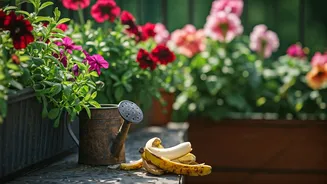


The Appeal of 'Black Gold'
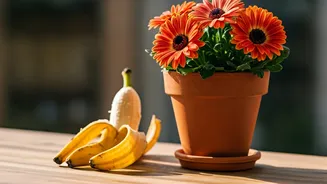
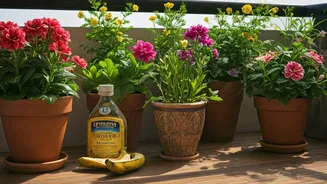
In the world of home gardening, banana peels have earned a nickname: 'black gold'. The idea of turning a common kitchen scrap into a powerful plant tonic is incredibly appealing. For city dwellers with balcony gardens, it represents the perfect blend
of sustainability and convenience. Instead of buying expensive chemical fertilisers, you’re using something you’d otherwise throw away. This trend taps into a growing desire for organic, waste-free living, promising a virtuous cycle where your snack helps your hibiscus bloom.
What's Actually in the Peel?
So, what’s the science behind the splash? Banana peels are genuinely rich in nutrients that plants crave. The star of the show is potassium, which is vital for flowering, fruiting, and overall plant vigour. It helps move water and nutrients within the plant's cells. Peels also contain smaller amounts of phosphorus, which encourages strong root development, and magnesium, which is essential for photosynthesis (the process that makes leaves green). When you soak the peels in water, some of these water-soluble nutrients leach out, creating a mild, nutrient-infused liquid for your plants.
Your Simple How-To Guide
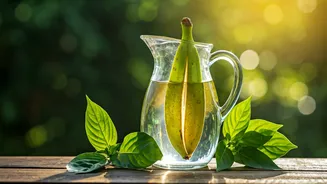
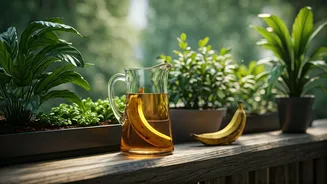
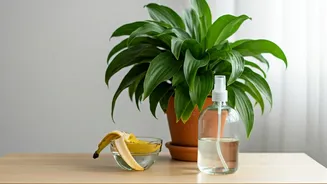
Making your own banana skin water couldn't be easier. You don't need any special equipment, just a jar, water, and banana peels. 1. Collect Your Peels: After enjoying a banana, don't throw the skin away. For best results, use peels from organic bananas to avoid introducing any pesticides into your garden brew. Chop them into smaller pieces to increase the surface area. 2. Soak, Soak, Soak: Place the chopped peels into a large jar and cover them completely with water. A good ratio is one or two peels per litre of water. Seal the jar and let it sit for a few days to a week. The water will slowly turn brownish and might develop a slightly sweet, earthy smell. Don't be alarmed; that means the nutrients are being released. 3. Strain and Serve: After a week, the 'tea' is ready. Strain the liquid to remove the peel pieces (you can add these to your compost pile). Your homemade plant tonic is now ready to use.
Which Plants Love It Most?
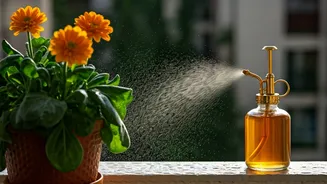
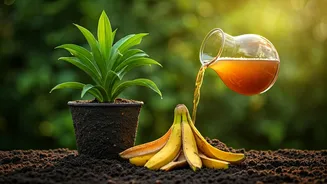
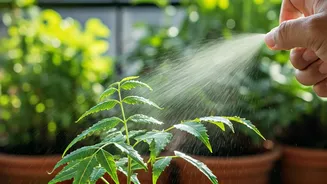
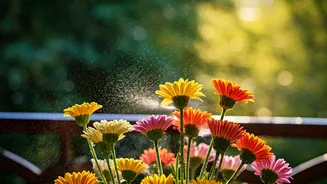
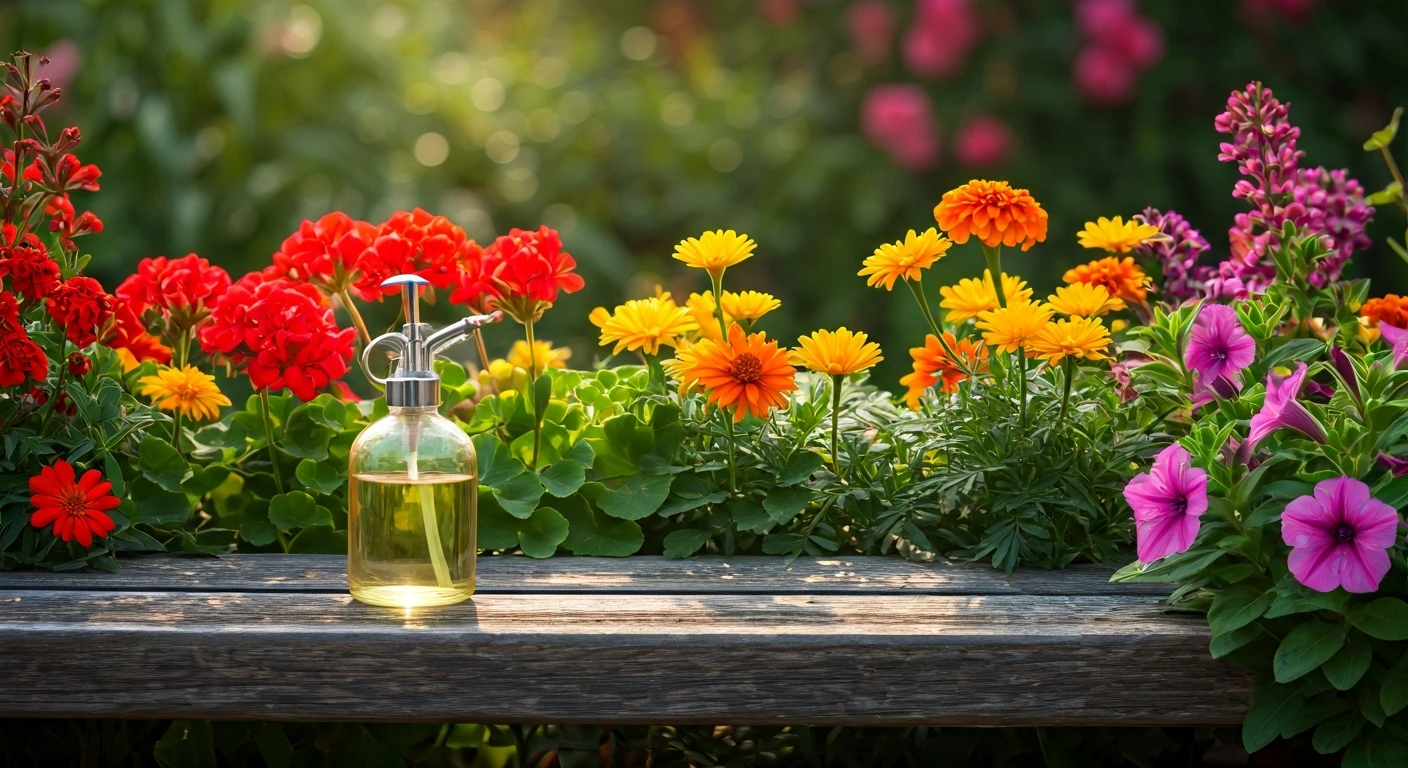
Because of its high potassium content, banana water is particularly beneficial for flowering and fruiting plants. Think of your balcony roses, hibiscus, bougainvillaea, tomatoes, and chilli plants. These plants use a lot of energy to produce blooms and fruit, and the potassium boost can help them perform their best. You can use the banana water in two ways: as a foliar spray by putting it in a spray bottle and misting the leaves, or by directly watering the soil at the base of the plant. A good routine is to apply it once every two to three weeks during the growing season.
A Healthy Dose of Realism
Now for the reality check. Is banana skin water a miracle cure that will solve all your gardening woes? No. While it provides a gentle boost of nutrients, the concentration is quite low. Think of it as a healthy, light snack for your plants, not a full-course meal. It is a fantastic supplement, but it won't replace a good-quality, balanced fertiliser, especially for hungry plants in small pots. Also, claims that it repels pests like aphids are largely anecdotal and not backed by strong scientific evidence. The main benefits are its gentle nutrient delivery and the fantastic feeling of reducing kitchen waste.