

Act Fast: Your First Steps
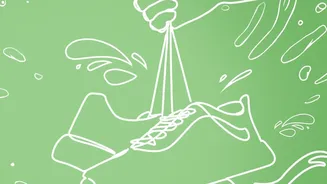
The moment you're indoors, take off your wet shoes. The longer they stay waterlogged, the higher the risk of mould and odours. First, knock off any mud or debris. Then, remove the insoles and laces and set them aside to dry separately. This opens up the shoe,
allowing air to circulate more freely and preventing moisture from being trapped inside. For leather shoes, it's a good idea to wipe down the exterior with a dry cloth to prevent water spots from forming.
The Newspaper Method: A Classic for a Reason
The age-old trick of stuffing shoes with newspaper is still one of the most effective methods. Newspaper, made from absorbent wood pulp, is excellent at wicking moisture from the inside of your footwear. Crumple up sheets of newspaper and stuff them firmly but not too tightly into each shoe, making sure to reach the toe area. For very wet shoes, you may need to replace the damp newspaper with fresh, dry sheets every few hours. This technique also helps the shoes maintain their shape as they dry.
Speed Things Up with a Fan
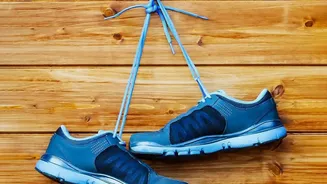
To accelerate the drying process, introduce airflow. Placing your stuffed shoes in front of a simple room fan can work wonders. The moving air helps evaporate the moisture that the newspaper draws out. You can even create small 'S' shaped hooks from a wire hanger to suspend the shoes from the fan's grill, allowing air to blow directly inside. Just be sure to use a cool air setting; hot air can cause damage.
Warning: Avoid Direct Heat at All Costs
It might seem tempting to place your shoes near a radiator, in front of a fireplace, or use a hairdryer, but direct heat is the enemy of wet footwear. High heat can cause leather to crack and warp, adhesives to melt, and synthetic materials to shrink, permanently ruining the fit and structure of your shoes. Putting shoes in a tumble dryer is also a bad idea; the tumbling action can beat them up, while the heat causes the same destructive effects.
Tips for Different Shoe Materials
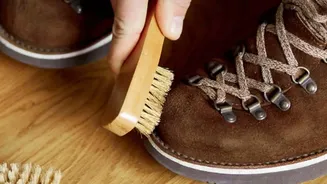
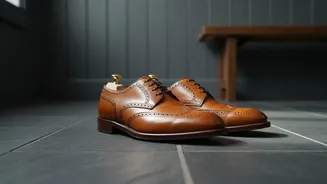
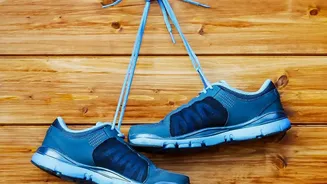
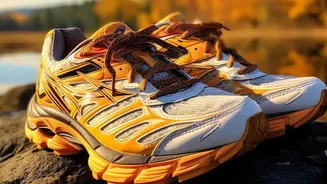
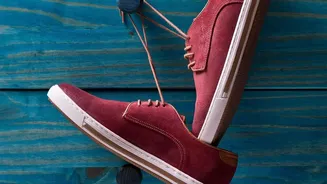
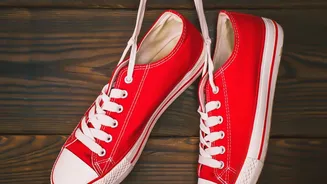
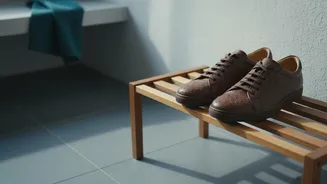
Not all shoes are created equal, and different materials require specific care. For smooth leather, allow the shoes to air dry completely, and then apply a leather conditioner to restore moisture and suppleness. With suede shoes, let them dry naturally before gently brushing the nap to restore its texture. For canvas and synthetic trainers, the newspaper and fan method works perfectly. Removing the insoles is especially key for athletic shoes to ensure they dry thoroughly.
Getting Rid of Lingering Odours
Sometimes, even after drying, a damp, musty smell can remain. To combat this, you can sprinkle baking soda inside the shoes and let it sit overnight to absorb odours. Another effective home remedy is to place a dry bar of soap in each shoe overnight; the soap is porous and will absorb the smell while leaving behind a fresh scent. A light spray of a 50/50 white vinegar and water solution can also help neutralize bacteria and smells; just let the shoes air out completely afterwards.