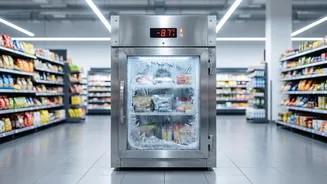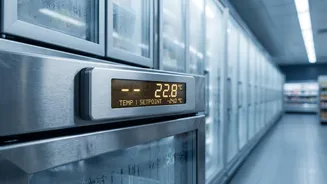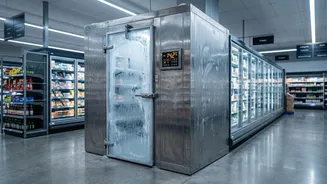








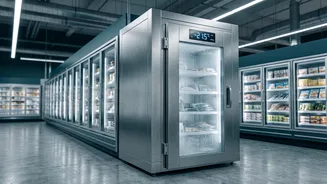
It started not with a bang, but with a quiet, overnight failure. Staff at supermarkets across Europe arrived to find refrigerators and freezers warming up, their chilled and frozen stock rendered unsaleable. This was no power outage; it was a targeted
cyberattack.
An Attack in the Dead of Night
In early November 2026, a wave of coordinated cyberattacks struck grocery stores in at least nine European countries, including Belgium, Sweden, Ireland, and Italy. This followed a similar, large-scale incident that affected hundreds of supermarkets in France just weeks earlier in October. In each case, attackers remotely accessed the digital controllers for refrigeration systems. Instead of stealing data, their goal was physical disruption: forcing the units into a defrost cycle or cranking the temperature setting as high as 50 degrees Celsius, ruining thousands of euros worth of meat, dairy, and other perishable goods.
How the Hackers Got In
The attacks exploited basic weaknesses in the 'Internet of Things' (IoT) devices that now manage critical store infrastructure. Many supermarket refrigeration units are connected to the internet to allow for remote monitoring and maintenance by third-party contractors. However, investigations revealed that many of these systems were left dangerously exposed. Attackers were able to find the controllers by scanning the public internet for their specific digital 'fingerprints'. They then gained access by exploiting known, unpatched software vulnerabilities or simply by using default passwords that had never been changed. The targeted controllers were often older, legacy models that no longer received security updates, making them easy targets.
The Tangible Consequences
The financial and operational impact was immediate. Retailers in multiple countries, from large chains like Carrefour and Coop to independent stores, were forced to discard huge quantities of spoiled food. One butcher in Belgium estimated his losses at around €15,000. Beyond the direct financial hit, the incidents created a logistical nightmare, as staff scrambled to manage the cleanup and restock empty shelves, while IT teams worked to secure their networks. The attacks served as a jarring reminder that cyber threats can cause direct physical damage and disrupt essential services.
A Wake-Up Call for a Vulnerable Supply Chain
While no single group has claimed responsibility, European officials have described the coordinated incidents as a deliberate attempt to disrupt the food supply chain and undermine consumer confidence. The events highlight the growing vulnerability of what is known as operational technology (OT) — the digital systems that manage physical equipment. For years, these systems were isolated, but increasing connectivity has exposed them to online threats without the robust security practices typically applied to corporate IT networks. Experts warn that this issue extends far beyond freezers to include building management, industrial controls, and other critical infrastructure.
What Comes Next for Retailers
In the aftermath, cybersecurity agencies across Europe have been working with retailers to secure their systems, advising them to install software updates and place refrigeration controls behind secure network connections like firewalls or VPNs. The incidents have forced a difficult conversation about who owns security in a complex ecosystem of equipment manufacturers, service contractors, and the businesses themselves. Many retailers who had implemented stronger security measures after the initial attacks in France were spared in the second wave, demonstrating that basic cyber hygiene is an effective defence. The key is treating a 'smart' freezer with the same security seriousness as a customer database.