





Measure More Than Just the Wall
The most common mistake is measuring only the spot where the furniture will sit. You must also measure the entire delivery path: doorways, tight hallways, stairwell turns, and elevators. A modular piece is only useful if you can get every single section
into the room. Beyond that, conduct a 'clearance audit'. Use painter's tape to mark the furniture's footprint on the floor, including the space needed for doors to swing open and drawers to pull out. Ensure it doesn’t block power outlets, vents, or major walkways. A few inches can be the difference between a functional layout and a daily obstacle.
Think About Your Future Needs, Not Just Today's
The true beauty of modular furniture is its ability to adapt over time. Before buying, consider if the system can grow with you. Can you buy additional or different modules later if you move to a bigger home or if your needs change? Some brands discontinue collections, leaving you with a 'dead-end' system that can't be expanded. Opt for versatile pieces that can be reconfigured. Today's entertainment unit could become components for a home office desk in the future. This 'future-proofing' is what makes a modular investment truly worthwhile.
Scrutinise the Frame and Connection System
Not all modular furniture is created equal. The quality of the frame and connectors determines its longevity. Look for solid wood frames, ideally kiln-dried timber, which resists warping and cracking. Avoid pieces made primarily of particleboard, which won't stand up to frequent use. Each module should have its own sturdy frame. Equally important is the connection mechanism. Low-quality systems rely on gravity or flimsy brackets, causing sections to slide apart. Look for robust, easy-to-use connectors that lock units together securely from underneath, creating a stable piece of furniture that feels like a single unit.
Understand the True Cost and Functionality
While modular seems economical, the cost can add up. Buying pieces individually can sometimes be more expensive than a traditional one-piece sofa. Be mindful of 'over-buying' modules you don't need or 'under-buying' and ending up with an incomplete look. Furthermore, prioritize true function over gimmicks. Does a piece solve a genuine space problem? Multifunctional items like storage ottomans, sofa beds, or expandable tables are ideal for small homes. Some modern modular units even feature built-in charging ports or transform into desks. Ensure the function serves your actual lifestyle.
Don't Neglect Aesthetics and Cohesion
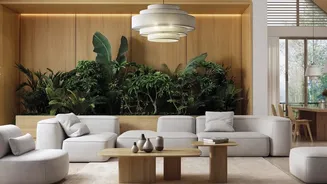
A common pitfall is creating a room that looks like a collection of mismatched blocks. To achieve a cohesive, designer look, balance open shelving with closed cabinets to avoid a cluttered appearance. Pay attention to style compatibility. Take fabric swatches home to see how they look in your home's lighting. If you plan to 'float' a sofa in the middle of a room, check that the back and sides are finished with the same quality upholstery as the front. Use accessories like throw pillows and blankets to add personality and tie the different modules together into a unified, stylish whole.