





In the constant rush of city life, the dream of a healthy, home-cooked meal often loses to takeout apps. But what if the solution isn't a new gadget, but ancient wisdom? Rediscovering traditional Indian meal prep is helping urban families win back their
time.
The Wisdom Hiding in Plain Sight
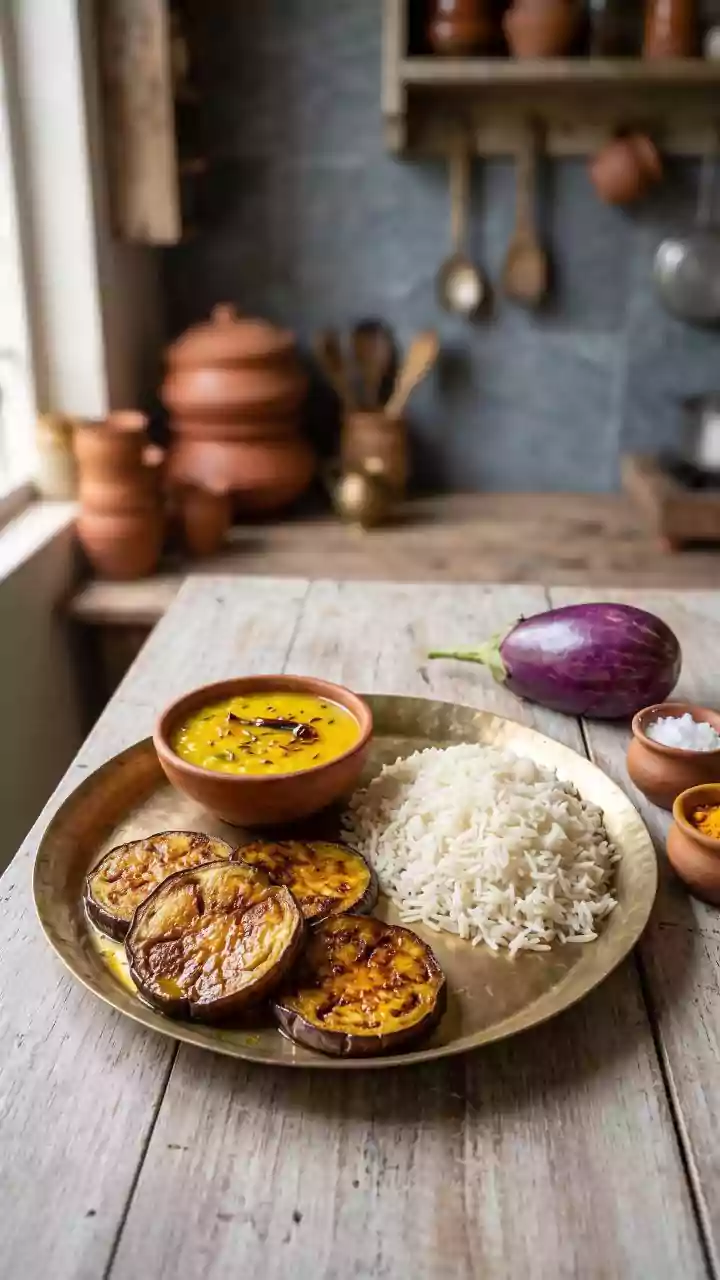
For generations, Indian kitchens have operated on a system of brilliant efficiency. Long before 'meal prep' became a trending hashtag, mothers and grandmothers were mastering the art of preparing meal components in advance. This wasn't just about saving time; it was a holistic approach to nourishment built around fresh, seasonal ingredients and minimising waste. Busy urban lifestyles, long commutes, and the easy availability of processed foods have made these practices seem difficult or outdated. Yet, many are finding that this very wisdom holds the key to navigating the modern challenge of eating well. By bringing these traditions back, families are not just eating healthier; they are reconnecting with a more intentional and sustainable way of living.
More Than Just Saving Time
The benefits of reviving traditional prep methods go far beyond a few extra minutes in the evening. Planning and preparing ingredients in advance significantly reduces the mental load and decision fatigue that often leads to unhealthy choices. When you have chopped vegetables, a pre-made masala base, or sprouted legumes ready to go, a nutritious meal is just minutes away. This approach also leads to significant cost savings by reducing reliance on expensive takeout and minimising food waste. Furthermore, it puts you in complete control of your ingredients, helping you avoid the excessive oil, sugar, and preservatives common in ready-to-eat foods that contribute to rising health issues in urban India.
Three Traditions to Start Today
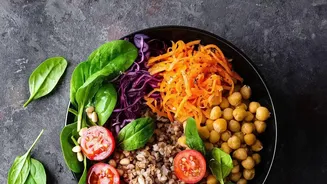
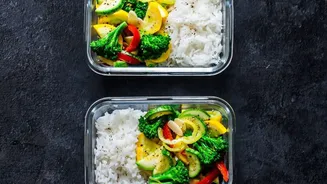
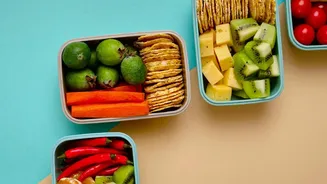
Adopting this approach doesn't require a complete kitchen overhaul. Start with small, manageable steps. 1. Batch the Bases: Many Indian dishes start with a similar foundation of sautéed onions, ginger, garlic, and tomatoes. Prepare a large batch of this 'onion-tomato masala' over the weekend. Store it in the fridge, and you have a head start on countless curries, dals, and sabzis for the week. 2. Prep Your Produce: The moment you get home from the market, take 30 minutes to wash, chop, and store your vegetables. Having ready-to-use onions, carrots, beans, and leafy greens in airtight containers makes throwing together a quick stir-fry or adding veggies to a dal effortless. 3. Sprout Your Legumes: Sprouting lentils and beans is an age-old practice that boosts their nutritional value and makes them easier to digest. It takes a few days but requires minimal active time. Once sprouted, they can be quickly cooked into salads, curries, or snacks.
Modern Twists on Timeless Techniques
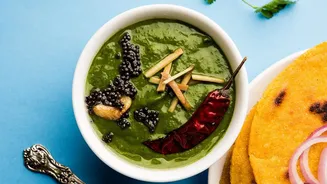
Adapting these practices to a modern urban kitchen is simple. Where our grandmothers may have used stone grinders, we can use a mixer_grinder to make pastes. Refrigerators and freezers are powerful allies, allowing us to store prepped ingredients and even batch_cooked dishes for longer. For example, you can prepare and shape parathas, separate them with parchment paper, and freeze them for a quick breakfast. Tadka (tempering spices in hot oil) can be made in a small batch and stored to add a finishing touch to dals and yogurts throughout the week. The key is to blend the principle of preparation with the tools we have available today, creating a system that works for your schedule.