




A Tale of Two Sugars
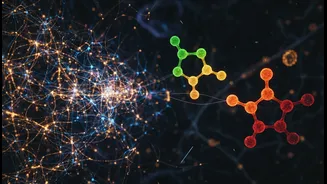
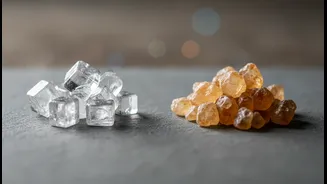
At a basic level, both glucose and fructose are simple sugars, or monosaccharides. They provide the same amount of energy, calorie for calorie. Glucose is the body's primary fuel source, easily used by our cells and brain for energy. It's what your body makes
when it breaks down most carbohydrates, from rice and rotis to potatoes. Fructose, often called 'fruit sugar', is found naturally in fruits and honey. However, its presence in our modern diet has exploded through its use as a cheap, intensely sweet additive in processed foods, sweets, and especially sugary drinks, often in the form of high-fructose corn syrup. For years, dietary advice treated them similarly, but scientists are now discovering they follow very different paths once we consume them.
The Gut-Brain Superhighway
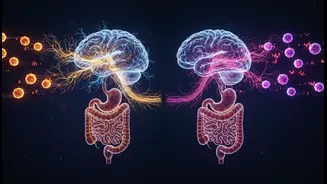
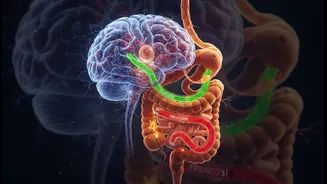
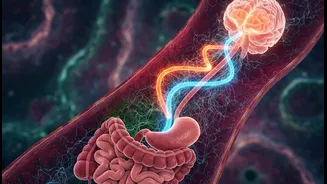
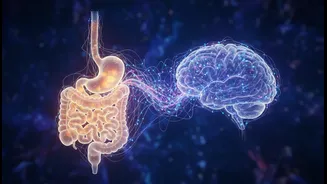
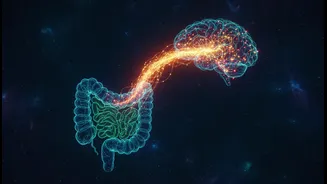
To understand the new findings, we first need to appreciate the constant conversation happening between our gut and our brain. This communication network, often called the gut-brain axis, is a complex system of nerves (like the vagus nerve), hormones, and chemical signals. It tells your brain when you are hungry and, just as importantly, when you are full. Hormones released by the intestines, like PYY and GLP-1, act as messages that travel this superhighway to the hypothalamus, the brain's command centre for hunger and energy balance, telling it to dial down the urge to eat. This system is designed to keep our energy intake in check.
What The New Research Says
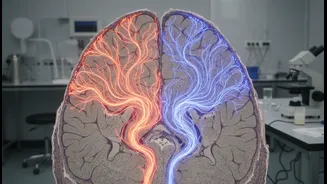
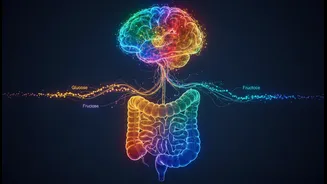
Recent studies, including significant work from the Monell Chemical Senses Center published in the journal Neuron, have put this gut-brain communication under the microscope. Using mice, researchers tracked how the brain responded to glucose and fructose independently. They discovered that while both sugars have the same calories, the brain reacts to them in dramatically different ways. Glucose sends a strong, clear signal to the brain, effectively suppressing the activity of key hunger-driving brain cells known as AgRP neurons. This tells your brain, 'Energy received, you can stop feeling hungry now'.
Fructose's Faint Whisper
Fructose, on the other hand, tells a different story. The research showed that fructose was much less effective at quieting these same hunger neurons. It communicates with the brain via a completely separate pathway, using the hormone PYY and the vagus nerve. But the signal it sends is weaker—more of a faint whisper compared to glucose's confident shout. The result is that even after consuming fructose, the brain doesn't get a strong 'I'm full' message. This key difference helps explain why it can be so easy to overconsume fructose-sweetened drinks and snacks; your brain simply doesn't register the incoming calories in the same way, leaving you wanting more.
Rethinking Your Plate and Cup
This research represents a major shift from simply counting calories to understanding nutrient quality. A calorie of fructose does not have the same hormonal or neural effect as a calorie of glucose. This has profound implications for our diet. While fructose from a whole fruit comes packaged with fibre, water, and vitamins that slow digestion and promote fullness, the concentrated fructose in sodas, juices, and processed snacks arrives in a flood, overwhelming our system without providing the same satiety signals. The new dietary advice emerging in 2026 reflects this, with a stronger emphasis on minimising added sugars and ultra-processed foods, focusing instead on whole foods. The goal is to consume foods that send the right fullness signals to our brain, helping us regulate appetite naturally.