





The Power of a Rest Day
Wearing the same pair of shoes every day during the monsoon is the fastest way to destroy them. Due to high humidity, footwear needs more time to dry out completely. Studies and experts suggest that shoes require at least 24 to 48 hours to fully air out and let the internal
cushioning recover. When you wear a pair day after day, moisture from rain and sweat gets trapped deep within the material. This constant dampness not only weakens the shoe's structure and glue but also creates the perfect breeding ground for foul-smelling bacteria and fungus. By simply rotating between two pairs, you give each one the crucial time it needs to breathe, dry, and decompress. This small habit can significantly extend the life of your footwear.
Choosing Your Monsoon Arsenal
The two-pair strategy works best when you choose your footwear wisely. Ideally, you should have one primary pair and one reliable backup. Avoid materials like untreated leather, suede, and canvas, as they absorb water easily and are prone to damage and stains. Instead, build your rotation around monsoon-friendly materials. Look for shoes made of rubber, PVC, EVA, or other quick-drying synthetics that are inherently water-resistant. These materials are easy to clean and don't stay soggy for long. For your primary pair, consider waterproof sandals, flip-flops with good grip, or slides that can handle puddles. For your alternate pair, you could have another casual option or a pair of water-resistant sneakers for days with lighter rain.
The Immediate Wet-Shoe Rescue
When your shoes inevitably get soaked, your actions in the first hour are critical. Never leave them to sit in their damp, muddy state. As soon as you get home, wipe away any dirt and grime with a cloth. If the shoes have removable insoles, take them out to dry separately. To absorb internal moisture, stuff your shoes tightly with crumpled newspaper. Newspaper is highly effective at drawing out dampness from deep inside the shoe. You may need to replace the paper every few hours if the shoes are thoroughly drenched. Once stuffed, place the shoes in a well-ventilated area to air dry naturally. Crucially, resist the urge to use direct heat from a hairdryer or place them near a heater, as this can cause materials like leather to crack and synthetics to warp.
Preventing Odour and Fungus
Dampness and humidity are a recipe for unpleasant odours and fungal growth. Beyond just drying your shoes, a few preventive steps can keep them fresh. Sprinkle antifungal powder or even regular baking soda inside your shoes when you're not wearing them. This helps absorb lingering moisture and neutralise odours. For your shoe rack or storage area, ensure it is well-ventilated. Avoid stacking damp shoes or storing them in closed cabinets immediately after use. Placing silica gel packets, which often come in new shoe boxes, inside your shoes and on your storage rack is an excellent way to combat excess humidity. Natural alternatives like neem leaves or charcoal bags can also be effective moisture absorbers.
Special Care for Different Materials
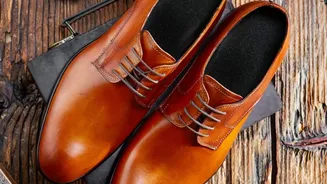
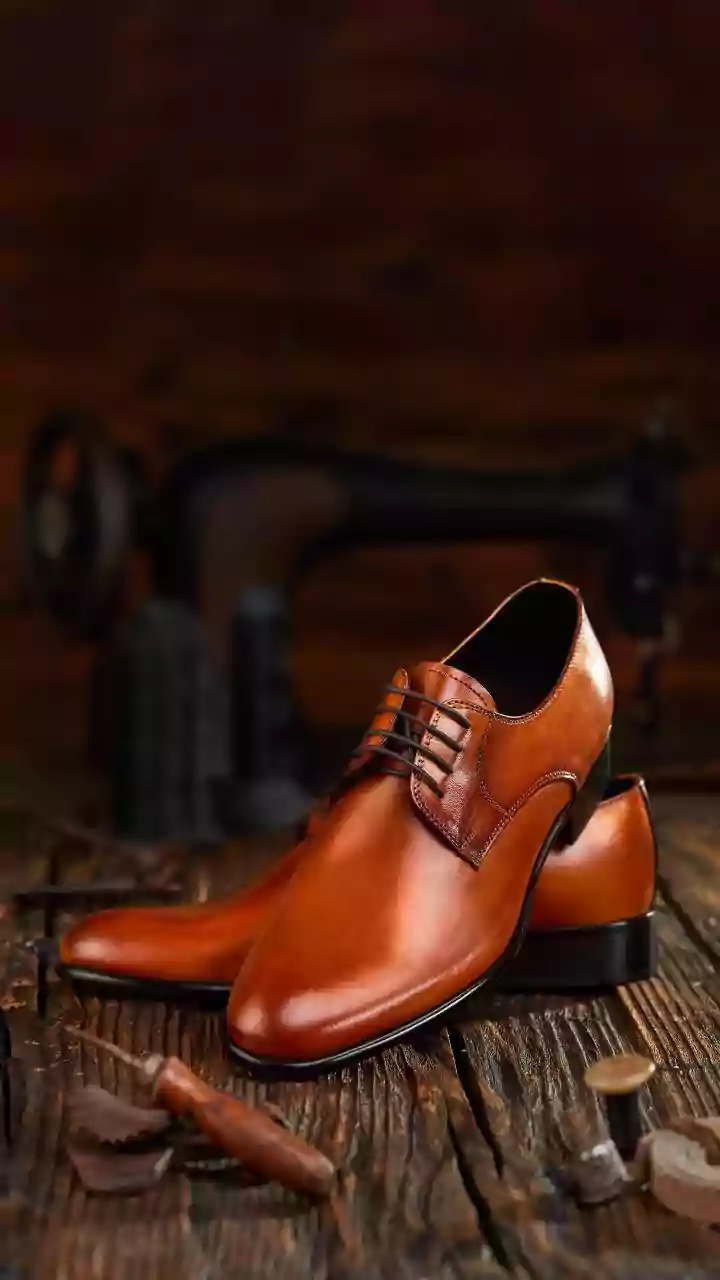
Different shoe materials require different care routines. If you must wear leather shoes, ensure they are polished with a wax-based polish to create a protective barrier against water. If they get wet, blot them dry, use a cedar shoe tree to absorb moisture and maintain shape, and let them air dry slowly. Never use direct heat. For canvas or mesh sneakers, you can create a gentle cleaning solution with warm water and a few drops of dish soap, using a soft brush to scrub away dirt. Always let them air dry completely. For rubber and synthetic footwear like flip-flops and slides, a simple wash with soap and water is usually enough to get them clean and ready for their next use.