



Understanding the National Nutrition Mission
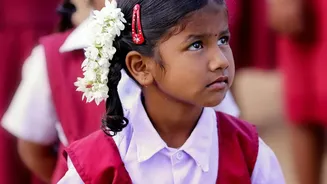
The government's latest initiative is driven by Mission Saksham Anganwadi and Poshan 2.0, an integrated nutrition support program. This isn't just a policy; it's a nationwide effort to improve the nutritional outcomes for children under six, pregnant
women, and lactating mothers. The mission aims to tackle the persistent challenges of stunting (low height for age), wasting (low weight for height), and micronutrient deficiencies that affect a significant percentage of Indian children. The program works through the network of Anganwadi Centres, which provide supplementary nutrition, health check-ups, and nutrition education to communities. A key part of this push is the annual 'Rashtriya Poshan Maah' (National Nutrition Month), held every September to create widespread awareness and community involvement.
Why the Renewed Focus on Children's Diets?
Despite economic progress, malnutrition remains a critical issue in India. According to the latest National Family Health Survey (NFHS) data, a large number of children are still affected by stunting, wasting, and being underweight. These conditions don't just affect physical growth; they can impair cognitive development and limit a child's future potential. At the same time, India is facing a rising tide of childhood obesity and lifestyle-related diseases, creating a 'double burden of malnutrition'. This new push recognises that ensuring children have access to not just enough food, but the right kind of food, is essential for building a healthy nation. The focus has shifted from just food security to 'nutrition security'.
Key Nutritional Goals for Your Child
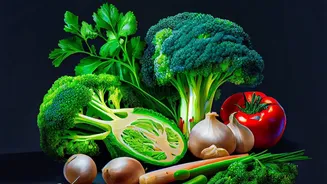
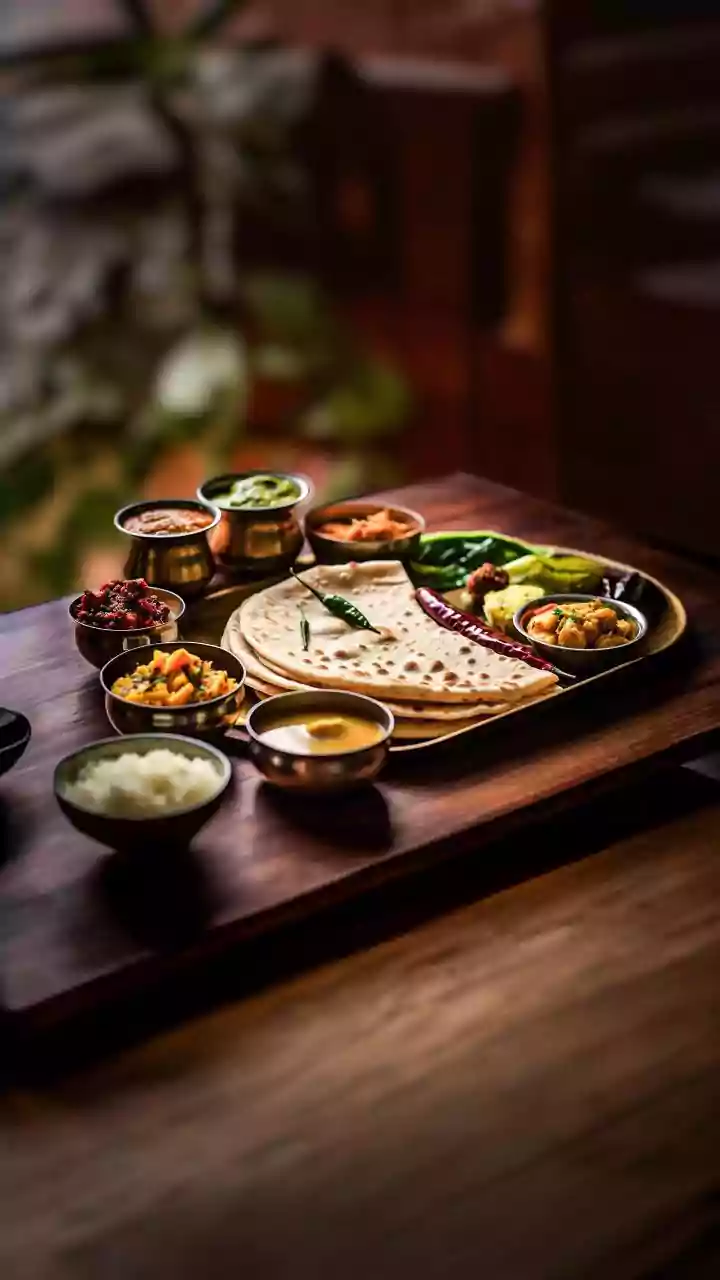
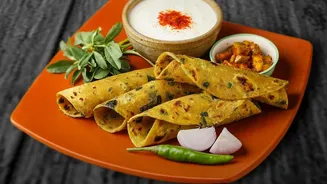
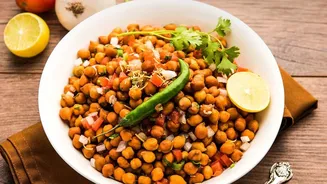
The government's guidelines and Poshan 2.0's objectives can be translated into simple, actionable goals for parents. The core idea is promoting dietary diversity. Ensure your child's plate includes a variety of foods. This year's Poshan Maah specifically highlights the importance of protein from both plant and animal sources, such as pulses, legumes, nuts, milk products, and eggs. The Indian Council of Medical Research (ICMR) also provides dietary guidelines that emphasize eating plenty of vegetables and fruits, ensuring moderate use of edible oils, and avoiding overeating to prevent obesity. For infants, exclusive breastfeeding for the first six months remains the gold standard, followed by the introduction of varied, home-based semi-solid foods.
Practical Tips for Parents at Home
Making nutritious meals doesn't have to be complicated or expensive. Start by incorporating a variety of local and seasonal vegetables and fruits, which are often more affordable and fresher. Create a weekly meal plan to ensure a balanced intake of different food groups. Involve your children in the process of choosing vegetables or simple cooking tasks to make healthy eating more fun. Reduce the consumption of processed foods high in fat, salt, and sugar (HFSS). A simple swap like a fruit for a packaged snack can make a big difference. Poshan 2.0 also promotes 'Poshan Vatikas' or nutrition gardens, a concept you can adapt at home by growing simple herbs or vegetables like tomatoes and chillies in pots.
Leveraging Community and Digital Resources
Parents are not alone in this effort. Anganwadi Centres are the primary hubs for nutrition services and information. Parents can connect with their local Anganwadi Worker (AWW) for services like growth monitoring, supplementary nutrition, and health advice. The government has also launched the 'Poshan Tracker' app, a digital tool used by Anganwadi workers to monitor the health of beneficiaries in real-time. While parents don't use the app directly, its implementation means better tracking and more timely interventions for children who need support. Being aware of these local resources and engaging with them can provide a strong support system for your family's nutritional journey.