






A Shock to the System
The news that Joe Root would once again captain England's Test side was unexpected. After Ben Stokes retired from international cricket following a series defeat to New Zealand, and with coach Brendon McCullum also departing, English cricket found itself
in a state of flux. The appointment of Stephen Fleming as the new head coach, set to officially start after the Pakistan series, signalled a new direction. Yet, the decision to hand the captaincy back to Root, who had stepped down in 2022 after a gruelling period that saw only one win in 17 Tests, was a bold and debated move. Many saw it as a safe pair of hands, while some critics feared it was a step backward, undoing the cultural revolution of the 'Bazball' era.
Dominance at Headingley
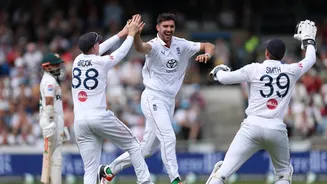
Any doubts about the decision were emphatically silenced at Headingley. England crushed Pakistan by an innings and 103 runs inside three days, a performance of pure dominance. After bowling Pakistan out for a paltry 171, England amassed 409, built on solid half-centuries from Harry Brook (91), Jordan Cox (73), and Root himself (66). The bowlers, led by the outstanding Ollie Robinson and Josh Tongue who shared 16 wickets between them, were relentless, bundling Pakistan out for just 135 in their second innings. It was a clinical, comprehensive victory that not only secured vital World Test Championship points but also provided a major morale boost.
Leadership Without the Burden
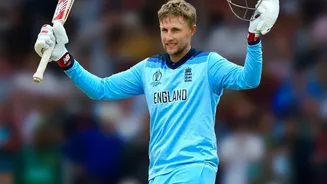
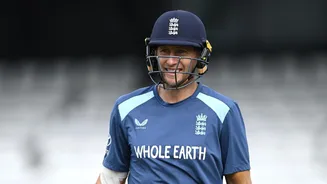
The first time he held the job, the captaincy seemed to weigh heavily on Root, admitting it had "sucked the life out of me." The pressures, particularly during the Covid-era bio-bubbles, took their toll on his enjoyment of the role. This time, however, he appeared reinvigorated. His on-field tactics were sharp, including a prescient field placement to take a catch himself. He batted with freedom, contributing a confident 66. Observers like former captain Nasser Hussain noted a newfound poise and maturity in his leadership. Freed from the long-term strategic burden and perhaps buoyed by the prospect of working with new coach Stephen Fleming, this was a captain leading with clarity and confidence, not carrying the weight of the world on his shoulders.
What It Means for the 'New Era'
This victory doesn't signify a rejection of the aggressive, fearless cricket that defined the Stokes-McCullum era. Root himself has spoken about how much he enjoyed that period and intends to build upon it. Instead, this win suggests a maturing of the team's philosophy. It proves that the leadership depth in the squad is strong, capable of weathering the departure of a figure as colossal as Ben Stokes. The win at Headingley was a statement that the attacking mindset is now embedded in the team's DNA, not just tied to one captain or coach. It shows a team that can be clinical and ruthless while still playing an exciting brand of cricket. Root’s successful return can be seen as a bridge, ensuring stability while a new long-term structure under him and Fleming takes shape.