
The Perfect Travel Window: Post-Monsoon Bliss
The secret to experiencing Sohra at its most spectacular lies in timing. While the monsoon (June to September) brings the heaviest rains that give the region its fame, the post-monsoon period from October to November offers a perfect balance. During these
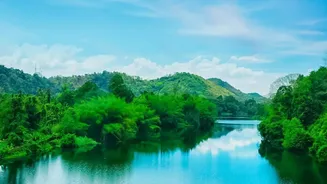
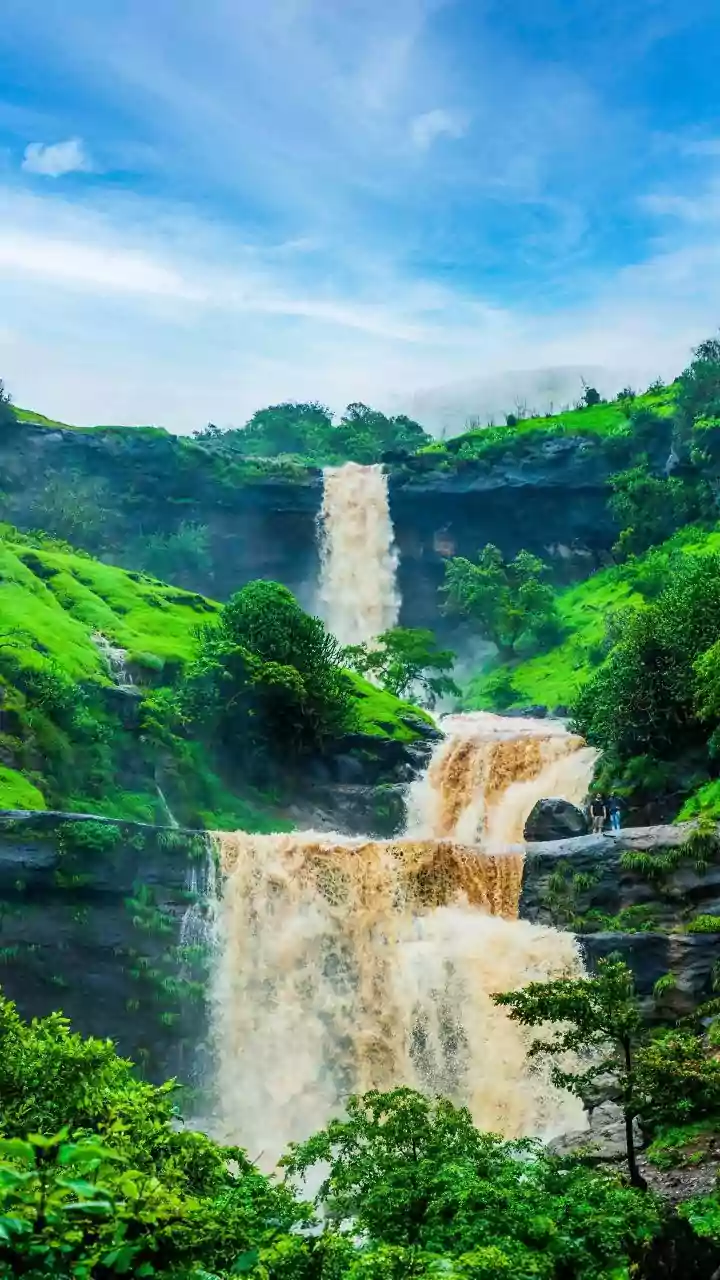
months, the landscape retains the vibrant, lush greenery of the rainy season, and the waterfalls are still magnificent and full-bodied. However, the rainfall becomes less intense, leading to clearer skies, more pleasant temperatures, and safer, less slippery trails for trekking. This pre-winter sweet spot allows you to enjoy the full glory of the falls and verdant valleys without the travel disruptions that heavy monsoons can cause.
Chasing Sohra’s Majestic Waterfalls
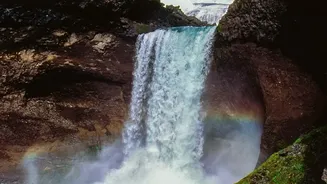
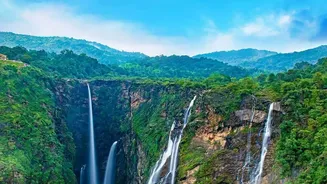
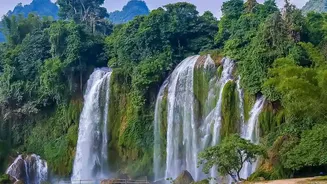
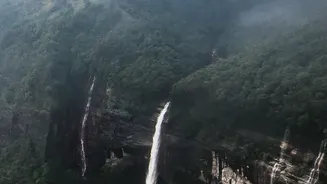
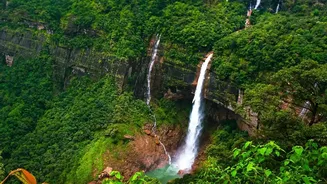
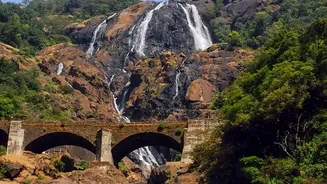
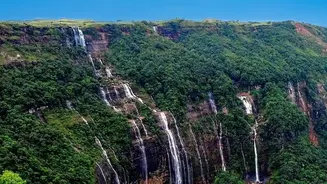
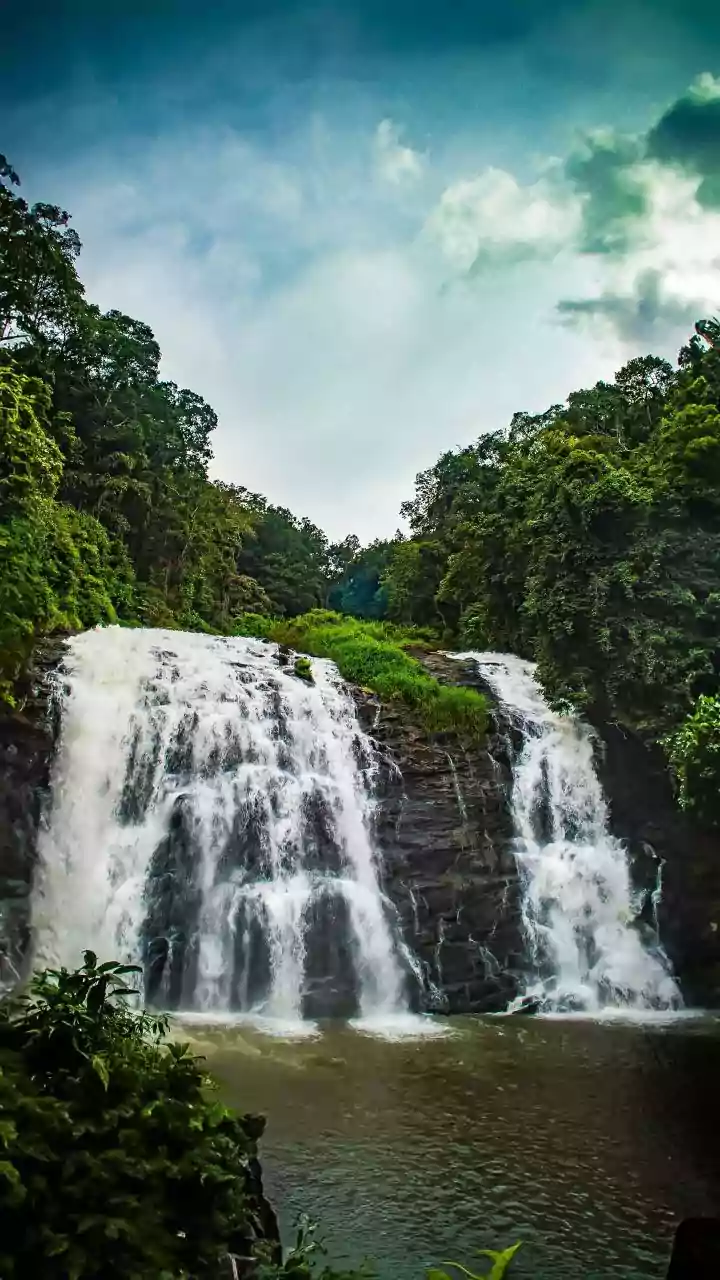
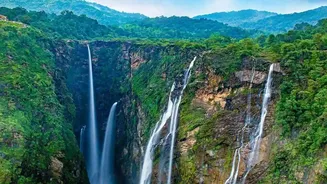
Sohra is legendary for its dramatic waterfalls, and visiting before winter means you’ll see them in their prime. The most famous is Nohkalikai Falls, India's tallest plunge waterfall, which cascades from a height of 340 metres into a stunning turquoise pool. Another must-see is the Nohsngithiang Falls, popularly known as the Seven Sisters Falls. This segmented waterfall features seven streams flowing side-by-side down a wide cliff, creating a breathtaking panorama that is best viewed right after the monsoon. For a slightly more off-the-beaten-path experience, seek out Dainthlen Falls, known for the fascinating pot-holes on the riverbed, or the three-tiered beauty of Wei Sawdong.
A Walk Across Living Architecture: The Root Bridges
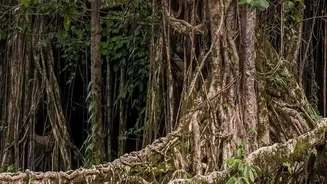
No trip to Meghalaya is complete without witnessing the awe-inspiring living root bridges, a testament to the ingenuity of the local Khasi tribes. These bridges are not built but grown, by guiding the aerial roots of the Ficus elastica (rubber) tree across rivers and streams. The most iconic of these is the Umshiang Double-Decker Root Bridge in Nongriat village. Reaching it requires a challenging but rewarding trek of approximately 3,500 steps down into a lush valley. The journey itself is an adventure, taking you through dense forests and across smaller root and suspension bridges. For those seeking a less strenuous experience, several single-decker root bridges are more easily accessible. These structures, some of which are hundreds of years old, grow stronger over time and are a profound example of sustainable engineering.
Beyond the Postcard Views
To truly capture the “offbeat” spirit, venture beyond the main viewpoints. The region is riddled with fascinating cave systems. Mawsmai Cave is the most popular and is well-lit, making it an accessible introduction to the world of stalactites and stalagmites. For a more adventurous exploration, consider the Arwah Caves, where you can spot fossils embedded in the walls with the help of a local guide. Another hidden gem is the Garden of Caves (Ka Bri Synrang), a network of underground passages, waterfalls, and lush greenery. For a different perspective, head to Eco Park, which offers panoramic views of the canyons and the distant plains of Bangladesh on a clear day.
Essential Tips for Your Sohra Adventure
A successful trip to Sohra is all about preparation. Even in the drier post-monsoon season, weather can be unpredictable, so always carry rain gear. Sturdy trekking shoes with good grip are essential, especially for the steep steps leading to the root bridges. When trekking to Nongriat, start early in the morning to allow ample time to return before dusk, and carry enough water and snacks. Hiring a local guide is highly recommended, not just for navigation but also for the rich cultural context they provide. Finally, embrace responsible tourism. These natural wonders are delicate; stick to marked paths and leave no trace to help preserve this unique landscape for generations to come.