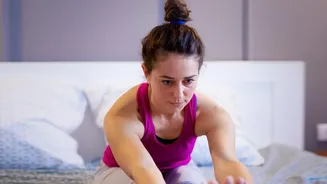




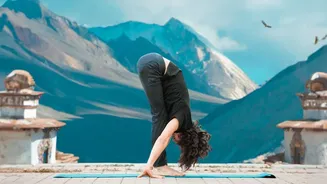

In a world that prizes effort, it's easy to think the goal of a stretch is to go deeper and push harder. But Paschimottanasana, or the Seated Forward Bend, teaches a different lesson: the profound power of a gentle, mindful forward reach.
What is Paschimottanasana?
Paschimottanasana
is a foundational Hatha yoga pose that translates from Sanskrit to 'Intense West Stretch'. In yogic terms, the 'west' refers to the entire back side of the body, from the heels to the head. At its simplest, it's a seated forward fold over outstretched legs. But to label it merely a stretch is to miss its deeper significance. This posture is an act of surrender, a quiet turning inward that offers benefits far beyond physical flexibility. It’s a staple in many yoga styles, from Hatha to Ashtanga, valued for its ability to bring balance to the body and mind.
More Than Just a Hamstring Stretch
While the first sensation you’ll likely feel is an intense stretch in the hamstrings and calves, the benefits of Paschimottanasana run much deeper. The forward folding action lengthens the entire spinal column, helping to decompress vertebrae and improve the flexibility of the back. This is especially beneficial for those who spend long hours sitting, which can lead to poor posture and back stiffness. Furthermore, the gentle compression of the abdomen provides a massage for internal organs like the liver, kidneys, and pancreas, which can stimulate digestion and regulate metabolism. Some practices suggest it helps activate the Manipura chakra (Solar Plexus), influencing the body's energy balance.
The Philosophy of the Gentle Reach
The key to unlocking the pose’s true potential lies in the 'gentle' aspect of the reach. Many beginners make the mistake of aggressively pulling themselves forward, rounding their lower back in an effort to touch their toes to their head. This approach is often counterproductive. Forcing a stretch can trigger the body’s protective stretch reflex, causing muscles to tighten rather than release. The real aim is to hinge forward from the hips, maintaining a long spine for as long as possible. The goal isn't to achieve a specific shape but to find a sustainable position where you can breathe deeply and allow the body to open up gradually. It is a practice in patience and surrender, not a show of force.
Calming the Nervous System
Perhaps the most profound benefit of a gentle Paschimottanasana is its effect on the nervous system. Forward bends are inherently introspective and calming. By folding the body inward and focusing on slow, rhythmic breathing, you stimulate the parasympathetic nervous system—the body's 'rest and digest' mode. This activation helps to lower the heart rate, reduce stress and anxiety, and quiet the mind's constant chatter. Regular practice can help soothe anxiety, alleviate mental fatigue, and even promote better sleep, making it a powerful tool for mental wellness in a fastpaced world.
A Mindful Guide to Your Forward Bend
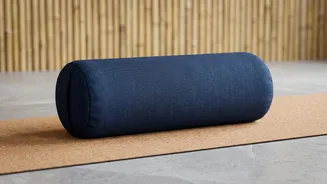
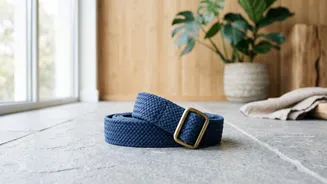
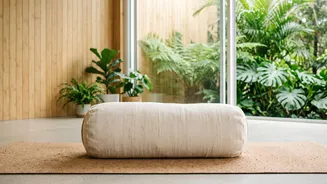
To practice safely and effectively, begin by sitting on the floor with your legs extended straight in front of you. You might sit on the edge of a folded blanket to help tilt your pelvis forward. Inhale and lengthen your spine, reaching your arms up. As you exhale, begin to hinge forward from your hips, not your waist, keeping your back straight. Reach for whatever is accessible without straining—your shins, ankles, or feet. If your hamstrings are tight, bend your knees generously. A yoga strap looped around your feet can also help bridge the gap. Focus on bringing your belly toward your thighs, rather than your head to your knees. Once you find your edge, relax your neck and shoulders. Stay for several deep, calm breaths, and with each exhale, gently explore the possibility of releasing a little deeper into the pose without force.
What to Avoid
The most common mistake is rounding the lower back early in the pose to force depth, which puts undue pressure on the spinal discs. Always prioritize a long spine. Avoid yanking on your feet or using your arms to pull yourself down aggressively; this creates tension in the shoulders and neck. This pose should be avoided or modified by those with acute back injuries like a herniated disc, sciatica, recent abdominal surgery, or during pregnancy. Listening to your body is paramount—never push into sharp pain.