

The End of the Racket?
In a move welcomed by weary travellers, Southern Railway has issued a stern directive aimed at curbing noise pollution on its trains and at its stations. The railway zone has instructed its divisions to launch an awareness campaign, informing passengers
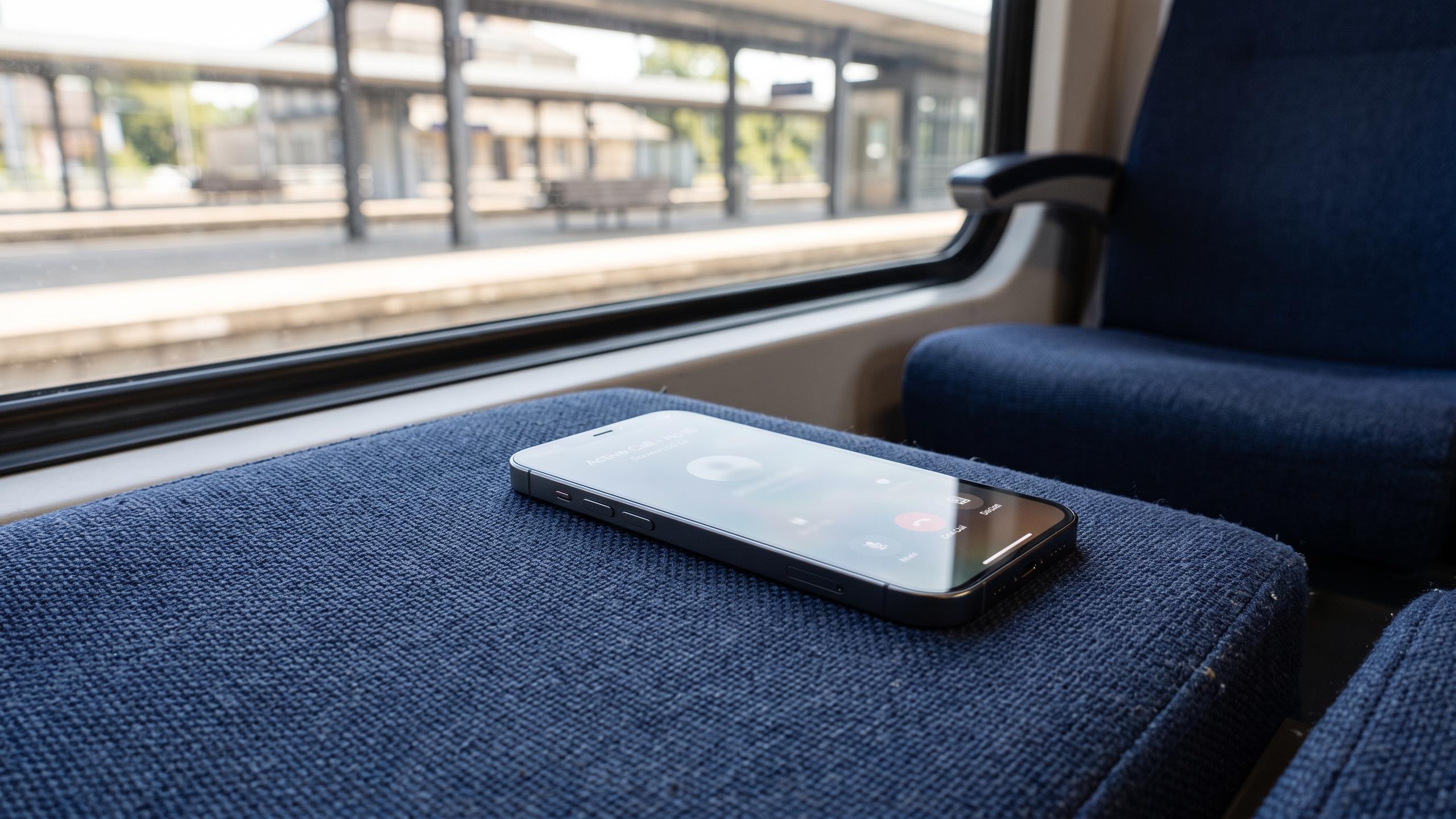
that behaviour like playing music or videos on speaker mode and engaging in loud phone conversations is no longer acceptable. This isn't just a polite suggestion; it's a warning backed by the force of law. The railway is leveraging existing legislation to treat such disturbances as a punishable nuisance, hoping to restore a sense of consideration and quiet to the shared space of a train carriage. The campaign will use public address systems and notices in English, Hindi, and regional languages to ensure the message is heard loud and clear—unlike the audio it aims to silence.
What the Rulebook Says
This crackdown is based on Section 145 of the Railways Act, 1989, which addresses nuisance and disruptive behaviour. Recently amended by the Jan Vishwas (Amendment of Provisions) Act, 2026, the law gives railway authorities significant power to act against offenders. For a first-time offence, a passenger found creating a nuisance can be fined up to ₹1,000, removed from the train, and may have to forfeit their ticket. However, for those who ignore a warning from an authorised railway official, the penalties escalate sharply. Repeat offenders or those who persist in causing a disturbance can face imprisonment for up to six months, a fine of up to ₹5,000, or both. This gives ticket examiners and other commercial staff the authority to not just request silence but to enforce it with real consequences.
The Rise of a Public Irritant
The railway’s directive acknowledges a problem that has grown exponentially with the rise of cheap, widespread mobile internet: the tendency for people to consume media publicly without headphones. Complaints have flooded into the Rail Madad portal, the official grievance system, with passengers frequently citing disturbances from fellow travellers watching movies or playing music on full volume, particularly in the enclosed spaces of AC coaches where people are trying to rest. The issue isn't new—the Railway Board first asked zones to address mobile phone etiquette back in 2012—but the problem has become more pervasive. From objectionable ringtones to hours-long video calls on speaker, the modern train journey has often become an unwilling sound-sharing session, turning a communal space into a source of stress and annoyance for many.
Your Role in a Quieter Journey
While the railway is taking official steps, creating a more pleasant travel environment is a shared responsibility. The new enforcement gives passengers a clear path for recourse. If you are being disturbed by a fellow traveller's noise, you are encouraged to report it to the on-board staff, such as the Ticket Examiner (TTE), or other railway officials. These officials are now explicitly authorised to intervene. Passengers can also continue to use the RailMadad portal or app to formally lodge complaints. The effectiveness of this new push will largely depend on consistent enforcement and the willingness of passengers to speak up—politely but firmly—and to support the railway staff who are tasked with implementing the rules. The goal is not to punish people for using their phones, but to ensure that one person's entertainment does not come at the cost of everyone else's peace.