





The Sun's Hidden Toll
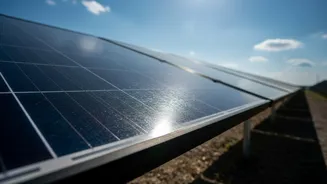
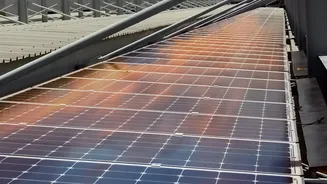
Solar panels are built to live in the sun, but that constant exposure comes at a cost. A key challenge facing solar energy is degradation—the slow, natural decline in a panel's performance over its 25 to 30-year lifespan. One of the primary culprits is the very
thing they are designed to capture: sunlight. Specifically, the ultraviolet (UV) radiation component of sunlight relentlessly attacks the materials that hold a solar panel together. Over years of exposure, this UV light can cause the protective encapsulant layers to turn yellow, crack, or even peel away from the glass. This damage, known as photodegradation, not only reduces the amount of light reaching the solar cells but can also allow moisture to seep in, leading to corrosion and further efficiency loss. In especially harsh environments—think high-altitude deserts or sun-drenched equatorial regions—this process accelerates significantly. Studies show that UV radiation can be responsible for nearly a quarter of a panel's total annual degradation in these high-irradiance zones, potentially shortening a solar farm's effective lifespan by several years.
Nature’s Ultimate Sunscreen
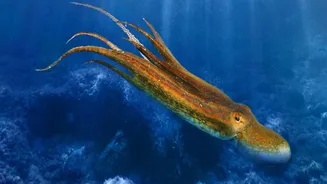
To solve this problem, scientists are turning to a master of natural protection: melanin. This is the same pigment that colours human skin, hair, and is found in abundance in the ink of cephalopods like squid and cuttlefish. Melanin is one of nature’s most effective sunscreens, renowned for its incredible ability to absorb a broad spectrum of light, including damaging UV rays, and dissipate that energy as harmless heat. This unique property has made it a subject of intense research for applications ranging from cosmetics to medicine. The melanin found in squid ink is particularly interesting. It is structurally similar to the eumelanin found in humans and is known for its powerful UV-shielding capacity and potent antioxidant properties. By studying the molecular structure and function of this natural biopolymer, researchers have developed synthetic versions that mimic its protective qualities. This field, known as biomimicry, is focused on creating advanced materials by learning from nature’s best designs.
From Squid Ink to a Synthetic Shield
The new coatings are not made from literal squid ink, but are synthetic materials engineered to replicate the ink’s key functional component: melanin nanoparticles. Scientists create a synthetic version of melanin, often using a compound called polydopamine, which can be formed into a thin, durable film. This synthetic melanin coating boasts the same broadband UV absorption that makes the natural version so effective. When applied to the surfaces of solar panels, this ultra-thin layer acts as a powerful shield. It intercepts the most harmful UV wavelengths before they can reach and degrade the sensitive polymers and encapsulants underneath. One of the most remarkable findings is that UV exposure appears to actually enhance the protective qualities of synthetic melanin. Studies have shown that after being exposed to UV light, the material's refractive index and absorption coefficient increase, suggesting its ability to shield against radiation improves with use. This creates a more robust and resilient solar panel, capable of withstanding prolonged exposure to intense sunlight. The research is part of a broader push to use melanin from various sources, including easily recoverable cuttlefish ink, to create sustainable and biodegradable materials.
The Impact on Extreme Solar Farms
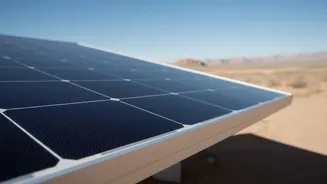
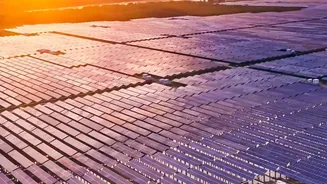
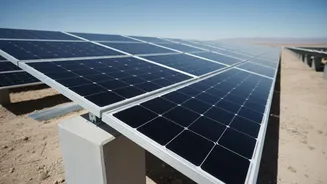
The term "extreme solar farms" refers to installations in environments that push conventional technology to its limits. This includes vast desert projects with intense heat and UV exposure, high-altitude locations where thinner atmosphere allows more radiation through, or even future applications in space, where radiation is a constant threat. In these settings, standard solar panel degradation is not a gentle linear process; it's an accelerated failure curve that can undermine the financial viability of a project. By adding a melanin-based protective layer, operators can significantly slow this degradation. This extends the peak performance window of the panels and ensures a more reliable energy output over the system's entire life. The result is a lower levelized cost of energy (LCOE), making solar power more competitive in challenging markets. Furthermore, the enhanced durability could reduce maintenance needs and enable the deployment of solar technology in regions previously considered too harsh for long-term operation. Mexican researchers have also found that combining melanin with porous silicon can boost a solar cell's ability to generate a photocurrent, suggesting melanin could play multiple roles in enhancing solar technology.