






The Financial Equation: Upfront Costs vs. Hidden Expenses
On the surface, redeveloped or resale properties often appear more affordable than brand-new ones in the same area. However, the total cost is more complex. With a new under-construction home, buyers must factor in Goods and Services Tax (GST), which
is not applicable to ready-to-move-in resale homes. New projects also come with additional expenses like preferential location charges (PLC), initial maintenance deposits, and club membership fees. A redeveloped property, while exempt from GST, may require a significant budget for renovations, repairs, and upgrades to modern standards. The initial purchase price for a resale home might be lower, but the costs to fix potential issues with wiring, plumbing, or interiors can add up.
Location and Lifestyle: Established Hubs vs. Emerging Corridors
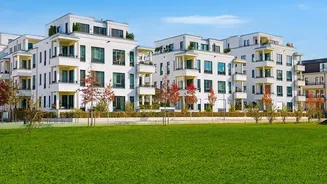
One of the strongest arguments for redevelopment is location. Redeveloped buildings are typically situated in mature, well-connected neighbourhoods with established schools, markets, and social infrastructure. This allows buyers to enjoy modern living without leaving a familiar locality. In contrast, new construction projects are often located in developing suburban areas or on the city's periphery where larger land parcels are available. While these new hubs promise future growth and modern master planning, they may lack the immediate convenience and established rhythm of a city-center neighbourhood. Your priority will determine the winner: the vibrant, built-in community of a redeveloped area or the potential of a new, expanding one.
Design and Amenities: A Blank Canvas vs. Proven Character
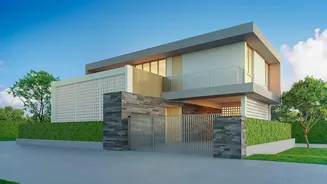
New construction offers a blank slate. Buyers often get the chance to customize finishes, select layouts, and enjoy the latest in architectural design and smart home features. These projects usually boast an extensive array of modern amenities like swimming pools, gyms, and dedicated community spaces that are often absent in older buildings. Redeveloped properties offer the comfort of modern construction standards within an older building's framework. While they might have fewer grand amenities, they provide well-planned, functional homes that meet today's safety and design codes, often with better space planning than their predecessors. The choice is between a full suite of new amenities and the unique character of a modern home in a classic setting.
Timelines and Peace of Mind: Move-in Ready vs. The Waiting Game
A significant advantage of a redeveloped or resale home is immediate possession. Once the paperwork is complete, you can move in, which is ideal for those looking to avoid paying both rent and EMI. With new construction, especially under-construction projects, there is a waiting period that can be subject to delays. However, new constructions offer robust buyer protection under the Real Estate (Regulation and Development) Act (RERA). RERA mandates project completion timelines, requires developers to place 70% of buyer funds in an escrow account, and provides a five-year defect liability period for structural issues. This gives buyers of new properties a level of transparency and legal recourse that may not be as straightforward with older properties.
Investment Potential and Long-Term Value
Both options present strong investment cases. Redeveloped properties in prime urban locations tend to appreciate well due to high demand and limited supply. They can also generate strong rental yields because of their central location and improved infrastructure. New construction homes, particularly those in emerging growth corridors, have significant potential for capital appreciation as the surrounding area develops. Since they are new, they generally require lower maintenance for the first several years and often have a higher resale value compared to an older, un-renovated property. Your investment strategy—whether focused on immediate rental income in a prime area or long-term growth in a new one—will be the deciding factor.