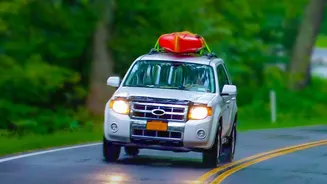







The Reality of Risky Roads
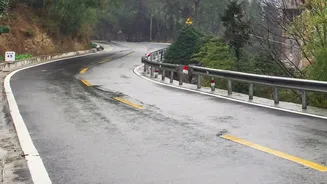
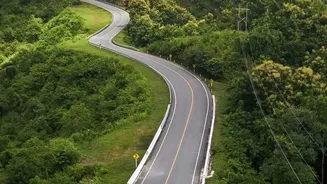
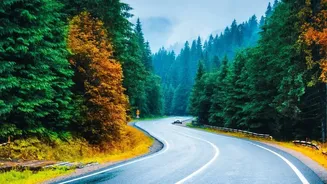
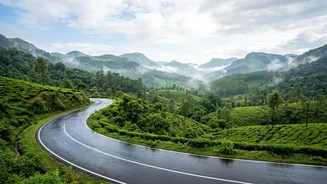
During the monsoon, mountain roads become treacherous. Heavy rains lead to a host of hazards, including landslides that can block routes for hours or days, and flash floods that can wash away sections of road. Visibility often drops to near zero due to thick
fog and intense downpours, making it difficult to spot potholes, debris, or oncoming traffic. Furthermore, the first rains mix with oil and grime on the road surface, creating an exceptionally slippery layer that significantly increases braking distances and the risk of skidding. These conditions are why a spontaneous trip without prior checks can quickly turn into a dangerous ordeal.
Your Pre-Trip Vehicle Checklist
Before you even think of starting the engine, a thorough vehicle check is non-negotiable. Start with the essentials: tyres, brakes, and wipers. Ensure your tyres have adequate tread depth (at least 3mm is recommended) to grip wet roads and prevent aquaplaning. Check your braking system; brakes work harder on hills and wet conditions can double your stopping distance. If they feel spongy or make noise, get them serviced. Replace old or hardened wiper blades that leave streaks, as clear vision is paramount. Finally, test all your lights—headlights, tail lights, brake lights, and fog lamps—to ensure you can see and be seen.
Safe Driving Techniques for the Hills
Once on the road, your driving style needs to adapt. The golden rule is to drive slowly and steadily, maintaining a greater distance from the vehicle ahead than you normally would. This gives you more time to react. When going downhill, use a lower gear to let engine braking control your speed, rather than riding the brakes, which can cause them to overheat and fail. Be gentle and smooth with the steering, accelerator, and brakes to avoid losing traction. Never attempt to drive through fast-flowing water on the road, and be wary of puddles that can hide deep potholes. It's also wise to avoid driving at night when visibility is at its worst.
Pack a Monsoon Emergency Kit
Even with the best preparation, things can go wrong. A well-stocked emergency kit can be a lifesaver if you get stranded. Your kit should contain a comprehensive first-aid box, a powerful flashlight with extra batteries, and a tow rope. Pack non-perishable snacks like energy bars and nuts, along with plenty of drinking water. A power bank for your phone is crucial for staying connected. It's also a good idea to include waterproof jackets, an umbrella, and a few microfibre cloths to wipe a foggy windshield from the inside.
Plan, Check, and Be Flexible
Before you leave, check the weather forecast and local news for any alerts about road closures or landslides. Map out your route in advance and share your itinerary with family or friends. The most important part of planning is being willing to change your plans. If conditions look severe or you feel uncomfortable, it is always safer to postpone your journey or find a safe place to wait out the worst of the weather. The mountains will still be there, and ensuring you are too is the most important part of any trip.