






From Cures to Prevention: A Major Shift
For decades, brain health research was primarily focused on finding cures for devastating neurodegenerative diseases like Alzheimer's and dementia after they appeared. While that work remains critical, scientists are now making a significant pivot towards
prevention. A growing body of research shows that our daily habits and life experiences have a profound influence on how our brains age. This new approach suggests that what we do in our 20s, 30s, and 40s can significantly impact our cognitive function decades later. Instead of waiting for a problem to arise, the focus is now on proactive, lifelong maintenance of our most vital organ.
The Pillars of a Healthy Brain
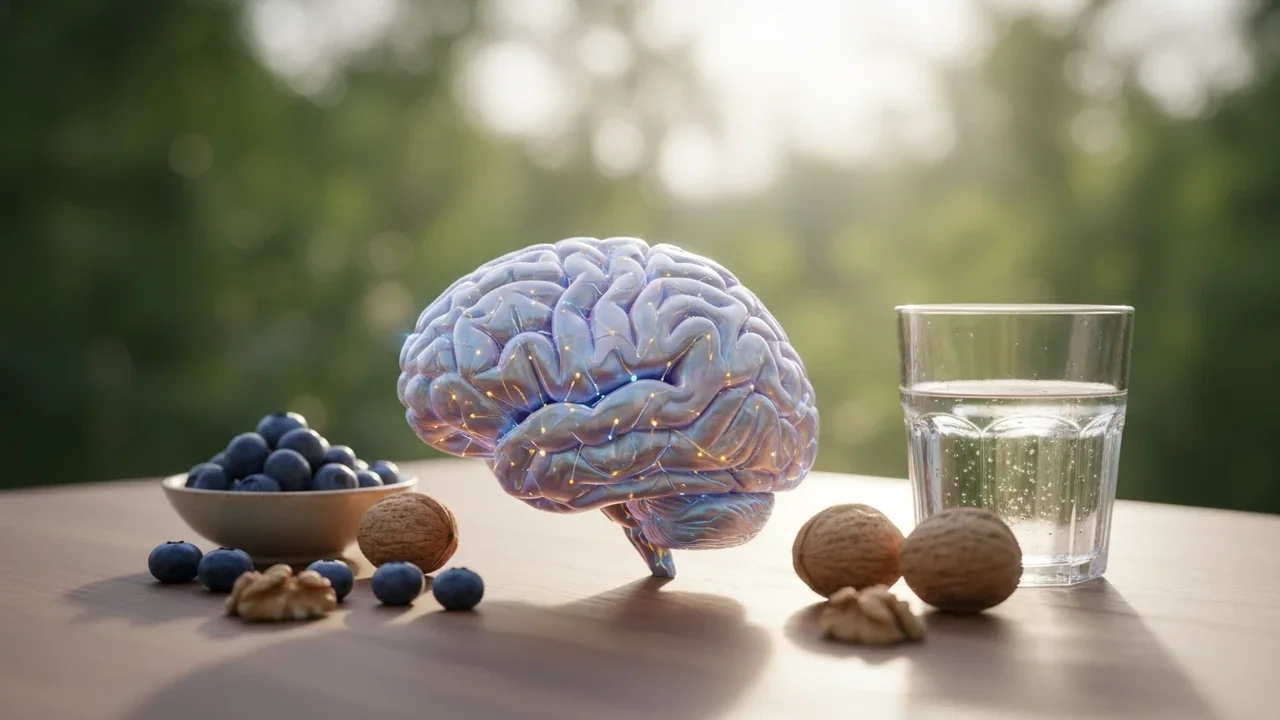
This new research focus rests on a few core pillars that are surprisingly simple and accessible. Regular physical activity is consistently highlighted as one of the most effective ways to support brain health. Exercise improves blood flow to the brain, reduces inflammation, and promotes the growth of new neural connections. Diet is another cornerstone, with eating patterns like the Mediterranean diet—rich in fruits, vegetables, fish, and healthy fats—linked to a lower risk of cognitive decline. These foods provide the antioxidants and anti-inflammatory properties that may help protect brain cells. Rounding out the key habits are quality sleep, which is essential for memory consolidation and clearing metabolic waste from the brain, and stress management.
Building Your 'Cognitive Reserve'
One of the most exciting concepts in this field is 'cognitive reserve'. Think of it as your brain's resilience or its ability to cope with damage and find alternative ways to get a job done. This reserve is built throughout your life via education, mentally challenging activities, and engaging hobbies. People with a higher cognitive reserve can often maintain cognitive function despite age-related changes or even the underlying pathology of diseases like Alzheimer's. Activities like reading, learning a new language, playing board games, or even working in a complex job all contribute to this mental fortitude, making your brain more flexible and adaptable over the long run.
Socialising: The Brain's Favourite Workout
Perhaps one of the most overlooked aspects of brain health is social connection. Humans are hardwired to be social creatures, and research increasingly shows that strong social ties are crucial for cognitive well-being. Engaging in conversation, listening to others, and participating in group activities all provide a potent mental workout, stimulating brain areas involved in memory and attention. Meaningful relationships also buffer against stress, which can be harmful to brain cells over time. Conversely, chronic loneliness and social isolation are now recognised as significant risk factors for cognitive decline, with some studies suggesting the health impact is comparable to smoking.
The Future of Brain Health is Everyday Action
The shift in research focus is empowering. It moves the concept of brain health from a passive state of hoping for the best to an active one, where our daily choices become powerful tools. This research doesn't suggest that genetics and other factors don't play a role, but it overwhelmingly confirms that lifestyle is a major, modifiable piece of the puzzle. By understanding the connection between our habits and our neural pathways, we can take proactive steps to build a more resilient brain. The science is becoming clearer: the path to healthier brain ageing is paved with the small, consistent efforts of our everyday lives.