






What Is 'Stay-First' Travel?
The concept of a holiday is undergoing a fundamental change in India. 'Stay-first' travel, also called stay-led travel, describes a mindset where the choice of accommodation is the cornerstone of the entire journey, not just a place to sleep. According
to a recent Booking.com report on Indian travel behaviour, the stay has become the holiday itself. The data is compelling: a staggering 80% of Indian travellers surveyed said they plan to spend most of their time at the property they book. This figure highlights a significant divergence from global habits, where the worldwide average is a much lower 51%. This isn't just about preferring a nice hotel; it's about the property becoming the main attraction and the primary reason for the trip.
The Accommodation as the Main Event
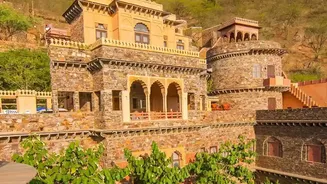
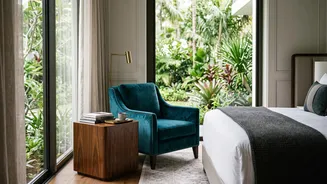
In this new travel paradigm, hotels, resorts, and homestays are transforming from functional bases into immersive destinations. Travellers are actively seeking properties that offer more than just a room. They are looking for unique, curated, and memorable experiences that are often shareable on social media. In response, the hospitality industry is innovating, offering everything from art pop-ups and wellness retreats to community workshops and exclusive culinary events within their premises. The question has shifted from 'What is the nightly rate?' to 'What makes this stay an unforgettable experience?'. This focus on in-property activities explains why non-room revenue, such as from dining and events, is becoming a huge part of the business for many premium properties.
Beyond Hotels: The Boom in Alternative Stays
The 'stay-first' trend isn't limited to traditional hotels. A 2026 report focusing on accommodation choices shows that alternative properties like villas, apartments, guesthouses, and farm stays are rapidly moving into the mainstream. Over 62% of Indian travellers said they actively compared alternative accommodation options with hotels for their recent trips. These spaces cater perfectly to the needs of modern Indian travellers, particularly those in groups. For multigenerational families or friends travelling together, a private villa or a spacious homestay offers shared living spaces, privacy, and often a kitchen, which a series of hotel rooms cannot match. These properties also provide a more authentic connection to local life and culture, which a growing number of travellers crave.
Why This Trend Is So Strong in India
Several factors make 'stay-led' travel a particularly Indian phenomenon. Group travel is central. With 56% of Indians planning trips with family, the need for a comfortable, self-contained hub where everyone can relax together is paramount. Children also play a significant role in influencing holiday plans, making properties with kid-friendly amenities and activities highly desirable. Furthermore, travellers are seeking relaxation and controlled, predictable environments. After navigating busy daily lives, many see holidays as a chance to unwind in a single, high-quality location rather than rushing through a packed sightseeing itinerary. This move is towards 'slow travel', where the goal is depth and immersion over breadth and box-checking.
A Distinctly Indian Preference, Not a Universal Rule
It is crucial to understand that this is not a universal trend, but one with deep roots in the current Indian context. The 29-point gap between Indian travellers (80%) and the global average (51%) for prioritising the stay underscores this difference. While travellers worldwide appreciate good lodging, the Indian market has uniquely embraced the accommodation as the holiday's centerpiece. This is driven by the confluence of rising domestic tourism, the importance of group and family travel, and a cultural shift towards seeking experiences over mere sightseeing. As a result, the domestic travel market is seeing growth in destinations that can offer unique and high-quality stays, moving tourism beyond the traditional hotspots.