



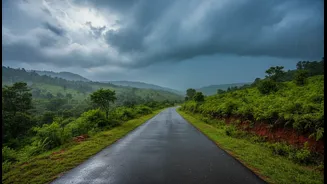



Why Your Budget Needs a Monsoon Buffer
While monsoon travel often comes with off-season discounts on flights and hotels, it also introduces a unique set of potential expenses. The primary reason for a budget buffer—ideally an extra 15-20% of your total trip cost—is unpredictability. Heavy
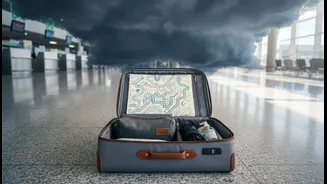
rains can lead to sudden roadblocks, landslides, or waterlogging, which might force you to extend your stay at a hotel. You could find yourself needing to book a different, more expensive mode of transport if your train is cancelled or a road is declared unsafe. These last-minute changes are almost always more expensive than pre-booked options. Having a contingency fund means a delay becomes a minor inconvenience rather than a major financial crisis, allowing you to adapt without worry.
The Art of the Flexible Itinerary
A rigid, minute-by-minute itinerary is the enemy of a successful monsoon trip. The weather is the true tour guide here, and you have to be willing to follow its lead. The smartest approach is to build a fluid plan. Instead of a fixed schedule, have a primary destination and one or two nearby alternatives. If a weather warning is issued for your planned hill station, you can pivot to a different town that is less affected. This strategy is made possible by flexible bookings. When reserving flights and hotels, look for options that allow free cancellations or date changes with minimal fees. Many travel portals now have filters to specifically find these adaptable deals, giving you a crucial safety net.
Navigating Transport Troubles
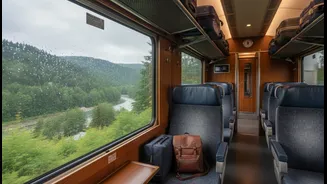
Transport is often the first thing affected by heavy rains. Flights can be delayed due to poor visibility, and roads in hilly or coastal areas can become treacherous. Driving on wet highways requires extra caution, as braking distances increase and the risk of skidding is higher. It’s wise to add buffer days to your travel schedule; don't plan a crucial meeting or a connecting flight for the day right after a long road journey. If you are travelling by train, check the status frequently, as schedules can be affected by track conditions. In many cases, hiring a local driver who is familiar with the terrain and alternative routes can be a much safer and more reliable option than self-driving in an unfamiliar area.
Packing for Predictable Unpredictability
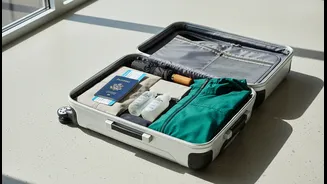
Smart packing can make all the difference. Prioritize lightweight, synthetic clothes that dry quickly over heavy fabrics like denim. A sturdy, reliable raincoat or poncho is non-negotiable, preferably one that can also cover your backpack. For footwear, choose waterproof sandals or floaters with a good grip to navigate slippery paths and wet streets. Electronics are particularly vulnerable. Use waterproof bags or zip-lock pouches for your phone, camera, and chargers. A power bank is another essential, as power cuts can be common during storms. Finally, pack a small first-aid kit with essentials for common monsoon ailments like colds, fungal infections, and stomach issues, along with a good insect repellent.
Health and Hygiene on the Go
The monsoon is a breeding season for mosquitoes and can increase the risk of water-borne diseases. Be vigilant about health and hygiene to ensure you return with only good memories. Always opt for bottled water and make sure the seal is intact. Be cautious with street food, especially uncooked items like salads or pre-cut fruit. It’s generally safer to eat freshly prepared, hot meals from clean establishments. To guard against mosquito bites, which can transmit diseases like dengue and malaria, use an effective insect repellent and wear full-sleeved clothing, especially during the evenings.