
Internal Stillness vs. External Expression
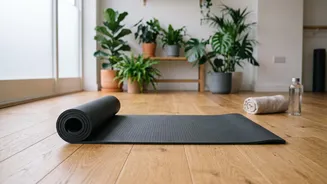
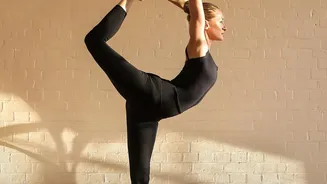
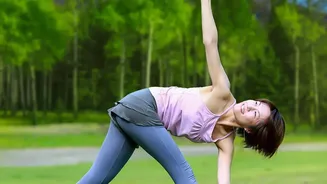
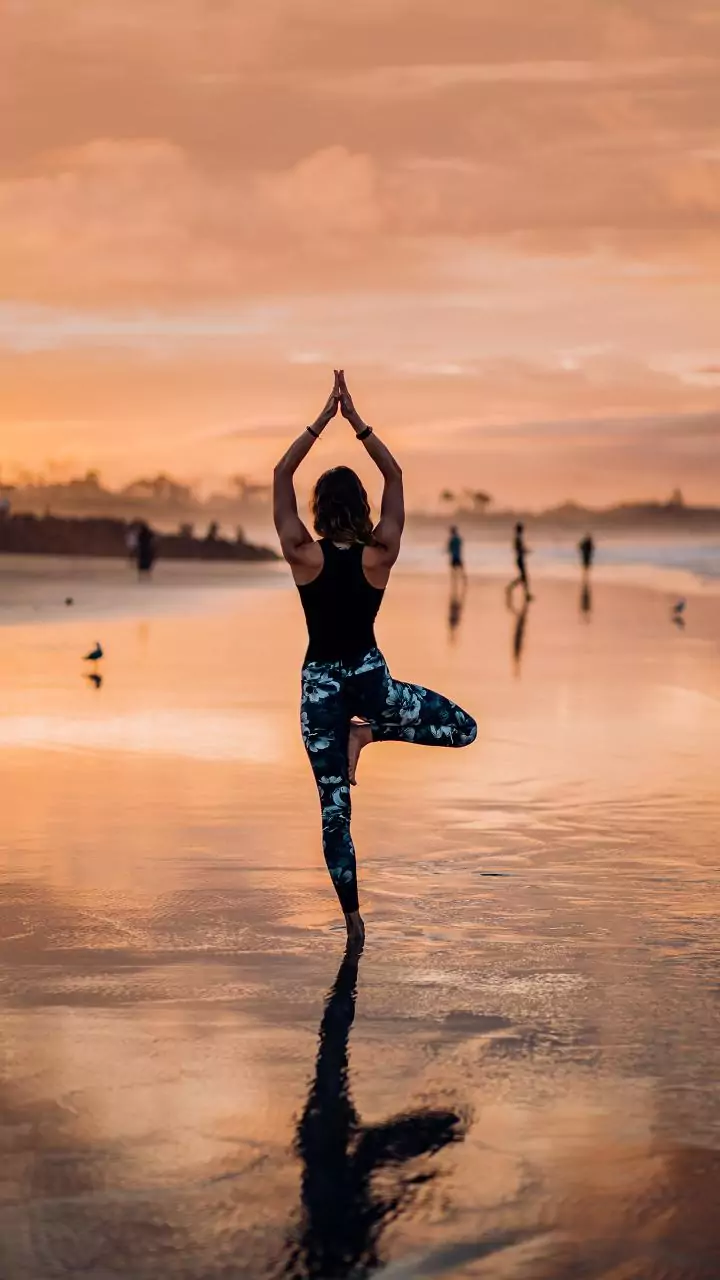
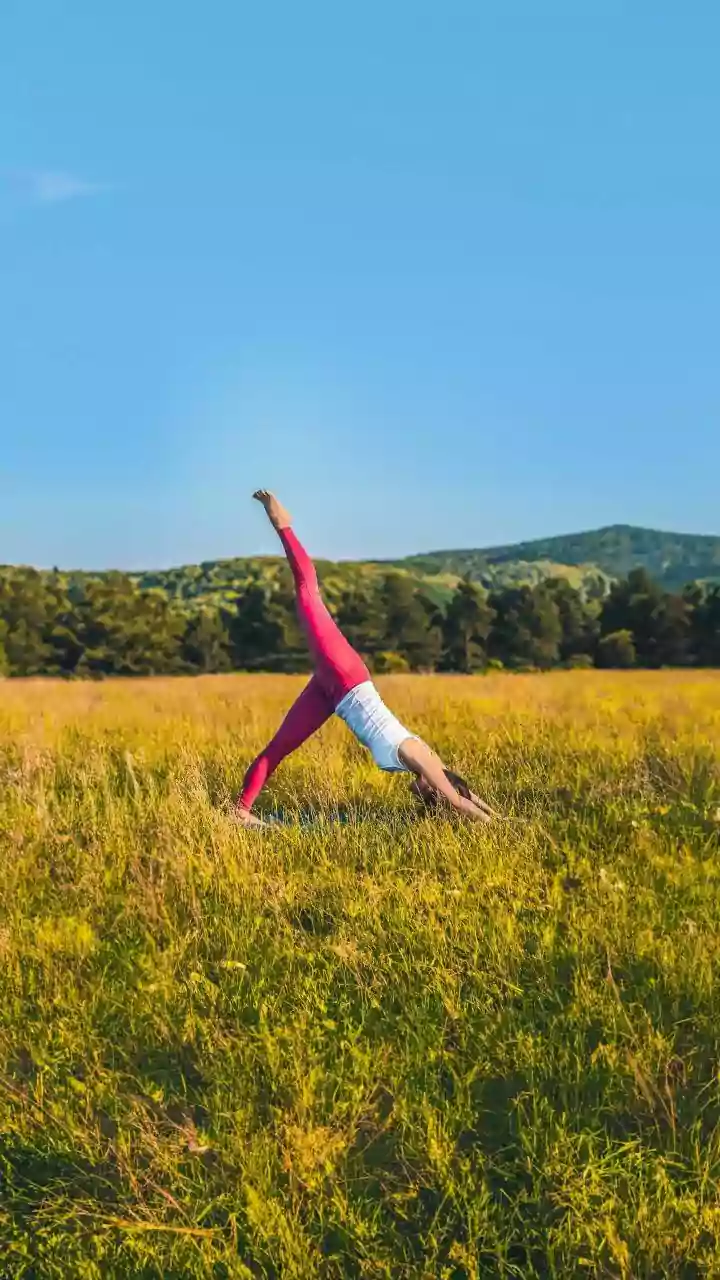
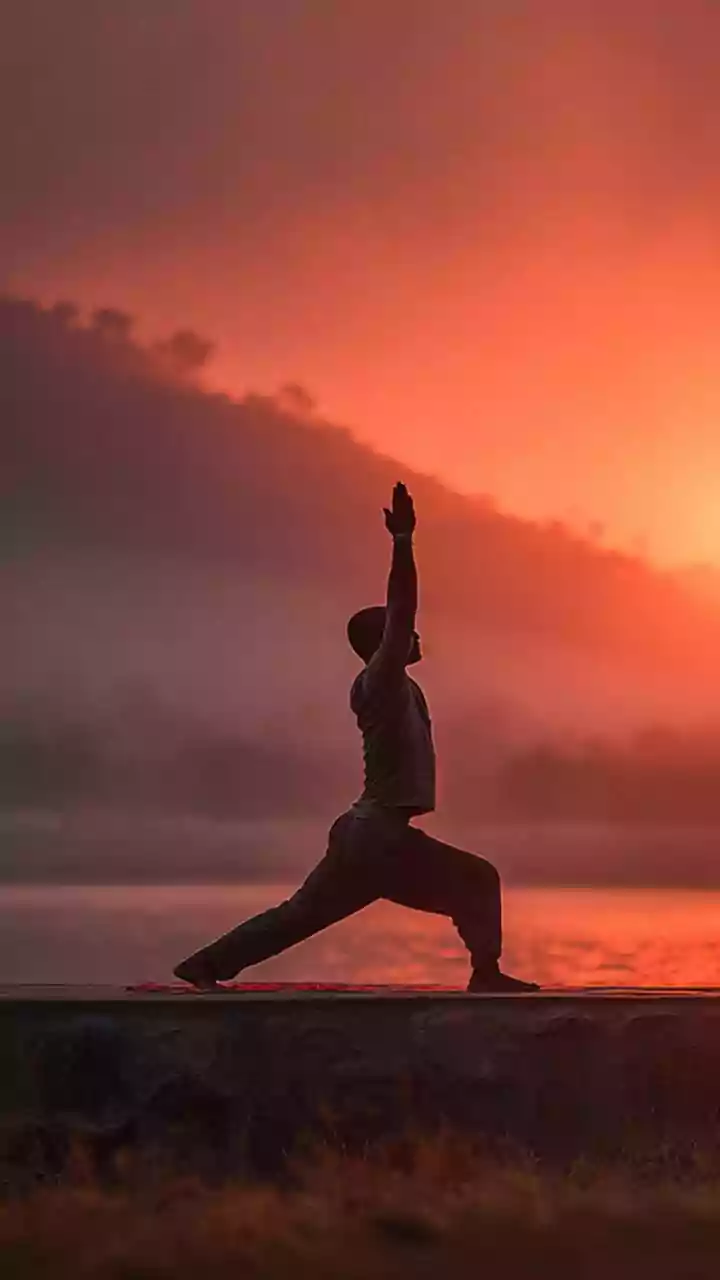
The core difference in how yoga and dance cultivate enjoyment lies in their focus. Yoga is fundamentally an internal practice. Its joy often comes from a place of quiet, mindful connection to the self. The emphasis is on breathwork, holding postures,
and observing sensations without judgment. This approach fosters a state of 'santosha', or contentment, which is an internal wellspring of joy independent of external circumstances. It’s about finding peace within the movement and stillness. Dance, in contrast, is largely about external expression. The joy of dance is often found in the synchronisation of movement to music, the release of emotion, and the interaction with space and sometimes, other people. It’s a cathartic outlet that allows you to 'move out' stored tension and express feelings that might be difficult to put into words. While yoga encourages you to observe your inner world, dance encourages you to project it outwards.
Mindful Presence vs. Rhythmic Immersion
Both activities can lead to a 'flow state', where you become fully immersed in the present moment. However, they arrive there differently. Yoga cultivates a state of mindful presence by intentionally drawing your focus to the subtleties of your breath and the alignment of your body. The enjoyment comes from a heightened awareness of your internal state and the calming of the nervous system. Dance achieves this immersion through rhythm and music, which can trigger the release of mood-boosting chemicals like endorphins and serotonin. The pleasure comes from losing yourself in the beat, mastering new steps, and allowing the music to guide your body. It’s less about quiet observation and more about energetic engagement with an external stimulus.
The Journey vs. The Performance
Yoga philosophy often emphasizes non-attachment to the outcome. The goal is not to perfect a pose for its own sake, but to experience the process of trying. Enjoyment is found in the journey of self-discovery, regardless of how 'advanced' the posture is. This non-judgmental approach can be profoundly liberating. Dance, while also a process, frequently has a performance-oriented element, even if it's just mastering a specific choreography in a class. This can provide a different kind of satisfaction: the joy of achieving a goal, mastering a skill, and the confidence boost that comes from nailing a sequence. This isn't to say dance is purely about performance, but the structure often provides tangible benchmarks for progress that can be a powerful source of enjoyment.
Solitude in a Group vs. Social Connection
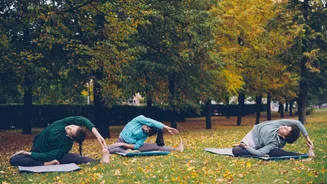
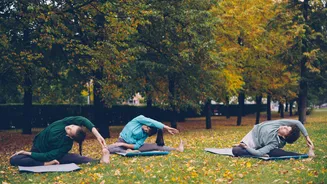
A yoga class is often a shared space where individuals engage in a solitary practice. There's a sense of community, but the focus remains inward. You are part of a group but on your own mat, in your own world. Dance, on the other hand, is frequently a highly social activity. Whether it’s partner dancing like salsa or a group class like Zumba, the interaction and shared energy are central to the experience. This fosters a sense of belonging and community in a more interactive way. For those energised by social connection, the shared laughter and synchronised movement of a dance class can be a primary source of joy.
Which Path Is for You?
Choosing between yoga and dance depends entirely on what kind of enjoyment you are seeking. If your goal is to calm a busy mind, reduce stress through quiet contemplation, and build a deeper connection with your body in a non-judgmental way, yoga may be the more fulfilling path. It’s an exercise in being, rather than doing. If you are looking for an energetic mood boost, a cathartic release for your emotions, and a fun way to connect with others through music and movement, dance might be your answer. It offers a joyful escape and a creative outlet. Both build strength and flexibility, and both can profoundly improve your well-being. The key is to align the activity with your personal definition of a good time.