





The Rain Deficit and Your Wallet
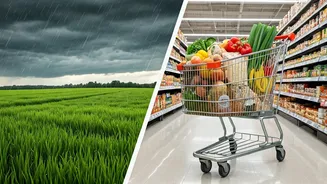
The connection between the monsoon and your grocery bill is direct and deeply rooted in India's agricultural economy. A significant portion of the nation's farmland is rain-fed, making the annual monsoon the single most critical factor for crop health
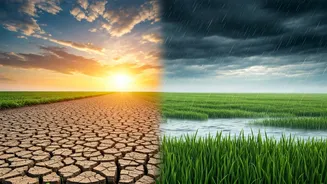
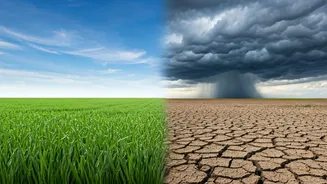
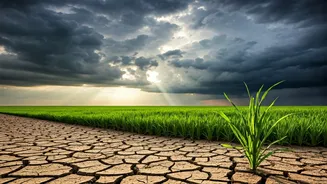
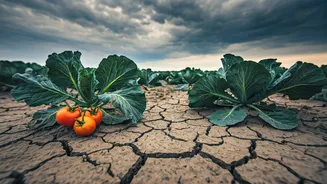
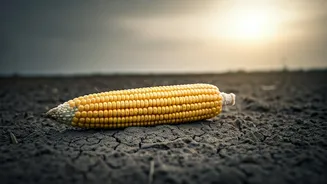
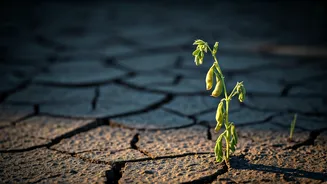
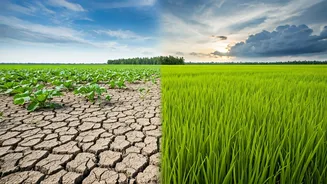
and yield. This year, the monsoon's performance is a cause for concern. June 2026 is shaping up to be one of the driest since 1901, with a nationwide rainfall deficit of over 43%. This shortfall, combined with pre-monsoon heatwaves, has delayed the sowing of crucial Kharif crops and stressed existing vegetable cultivation, setting the stage for potential price hikes.
The Current Situation: A Tale of Tomatoes and More
The impact is already visible in the vegetable market. Tomato prices, a key indicator of food inflation, have seen a sharp increase. In some cities, retail prices have jumped significantly as supplies from major producing states like Maharashtra and Karnataka are disrupted by erratic weather. While prices for staples like potatoes have remained relatively stable due to robust earlier harvests, other perishables are feeling the pressure. Food inflation rose to 4.78% in May 2026, driven largely by the rising cost of vegetables. Experts warn that this trend may continue if the monsoon doesn't normalize, affecting household budgets across the country.
The Vulnerable Vegetables and Staples
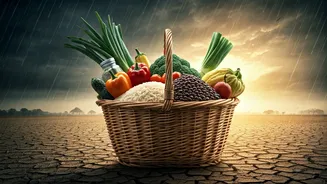
Certain items in your grocery basket are more vulnerable to monsoon whims than others. Perishable vegetables with short shelf lives, such as tomatoes, onions, and leafy greens, are the first to be affected. Beyond perishables, the delayed monsoon threatens major Kharif crops. These include rice, pulses (like lentils and chickpeas), soybeans, cotton, and sugarcane, which are planted during this season. A poor yield in these crops doesn't just mean higher prices for dal and sugar later in the year; it also impacts related industries like cooking oil and textiles. Even milk prices can be affected, as deficient rain reduces the availability of green fodder for cattle.
Beyond the Farm Gate: The Supply Chain Squeeze
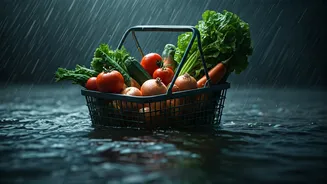
The problem isn't just about what's grown but also about getting it to your local market. Heavy or erratic rains can damage rural roads, disrupt transportation, and lead to higher spoilage rates for perishable goods. This creates bottlenecks in the supply chain, where produce from one region can't reach another where it's in demand. For example, a supply crunch in northern states often leads to reliance on produce from the south, but this increases transportation costs, which are ultimately passed on to the consumer. This logistical challenge is a key reason why prices can spike even if overall national production numbers seem adequate on paper.
Navigating the Monsoon Market
While you can't control the weather, you can be a smarter shopper during these volatile months. Paying attention to market trends can help you anticipate price shifts. Often, prices for certain vegetables spike for a few weeks before stabilizing as supplies from different regions enter the market. Planning meals around seasonal vegetables that are more resilient or locally available can help manage costs. Buying from local farmers' markets, where the supply chain is shorter, can sometimes offer better prices. While government buffer stocks of staples like rice and wheat provide a cushion against immediate shortages, the prices of fresh produce will likely remain a month-to-month concern.