







Why the Monsoon Is a High-Risk Season
The combination of high humidity, stagnant water, and damp conditions makes the monsoon a challenging time for pets. This environment is an ideal breeding ground for parasites like ticks and fleas, which become significantly more active. Moreover, the constant
moisture can lead to a host of skin problems. Bacterial and fungal infections, such as pyoderma and yeast dermatitis, thrive on skin that remains damp for extended periods. Puddles and waterlogged areas often harbour dangerous bacteria, including Leptospira, which causes leptospirosis, a serious disease that can be transmitted to humans. Ear infections also become more common, particularly in breeds with floppy ears, as moisture gets trapped in the ear canal.
The Daily Tick Check: A Non-Negotiable Ritual
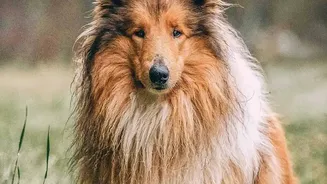
Given the surge in tick activity during the monsoon, a daily check is essential for preventing tick-borne diseases like ehrlichiosis and babesiosis, which can be fatal. Ticks can transmit disease within hours of attaching, so finding them early is crucial. A thorough check doesn't take long but requires a systematic approach. Run your hands slowly over your pet’s entire body, feeling for small bumps. Pay special attention to their favourite hiding spots: inside and around the ears, under the collar, between the toes, in the 'armpits', around the eyelids, and at the base of the tail. For long-haired breeds, you may need to part the fur to see the skin clearly. Making this a routine after every walk helps you spot ticks before they have a chance to do serious harm.
Mastering the Post-Walk Paw Cleaning
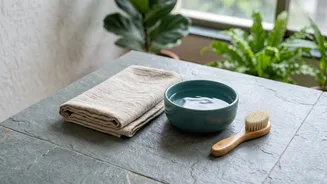
Paws are a primary entry point for infections during the rainy season. They come into direct contact with muddy, contaminated surfaces, picking up bacteria, fungi, and irritants. A consistent paw-cleaning routine after every walk is one of the most effective preventive measures you can take. For a simple clean-up, use a damp towel or pet-safe wipes to clean each paw, making sure to wipe between the toes where mud and debris love to hide. For muddier walks, a shallow bowl of lukewarm water works well. Some pet parents also use paw washer cups with soft silicone bristles for a more thorough clean. The most critical step, however, is drying. Lingering moisture between the paw pads can lead to fungal infections. Pat each paw dry with a clean towel, ensuring the area between the digits is completely free of moisture.
Beyond Paws and Ticks: Other Monsoon Essentials
While tick and paw care are paramount, a holistic approach ensures your pet stays healthy all season. Keeping your pet's coat dry is crucial. Towel-dry them thoroughly after any exposure to rain, paying extra attention to the underbelly and skin folds to prevent moist dermatitis or 'hot spots'. Bedding can also trap moisture, so wash and dry it more frequently to prevent fungal growth. Also, ensure your pet has access to fresh, clean drinking water, as contaminated water is a significant source of gastrointestinal issues like Giardia. In some areas, boiling or filtering drinking water is a safer choice. Finally, since rainy days might mean shorter walks, keep your pet mentally and physically engaged with indoor games and activities to prevent boredom and destructive behaviours.